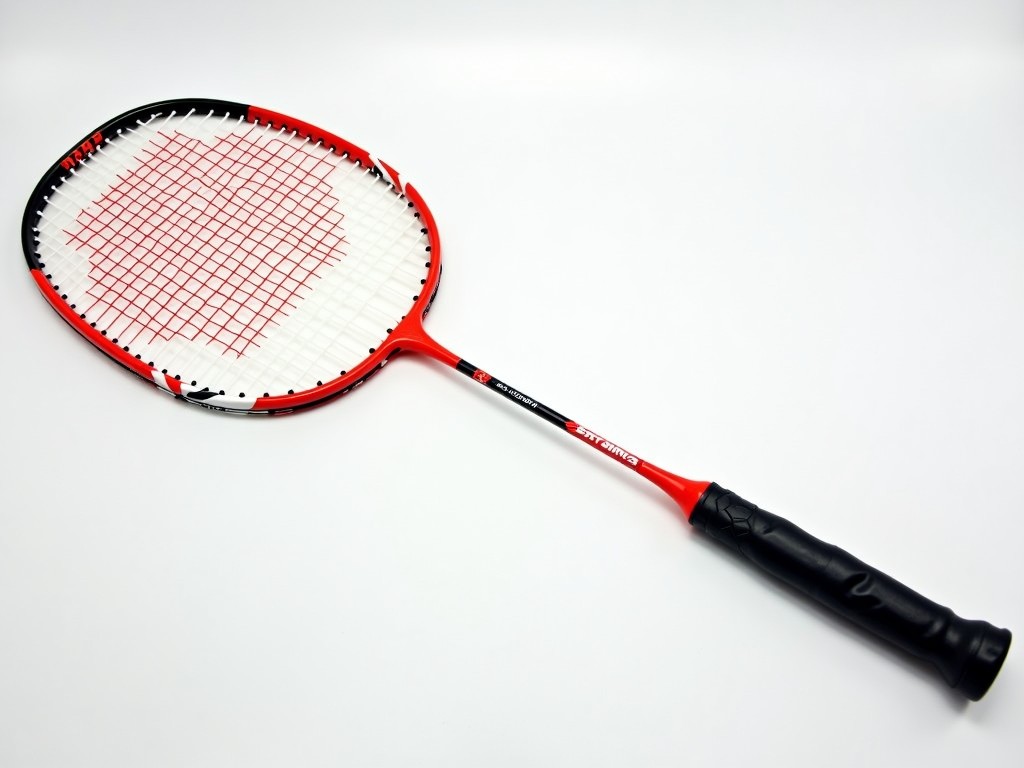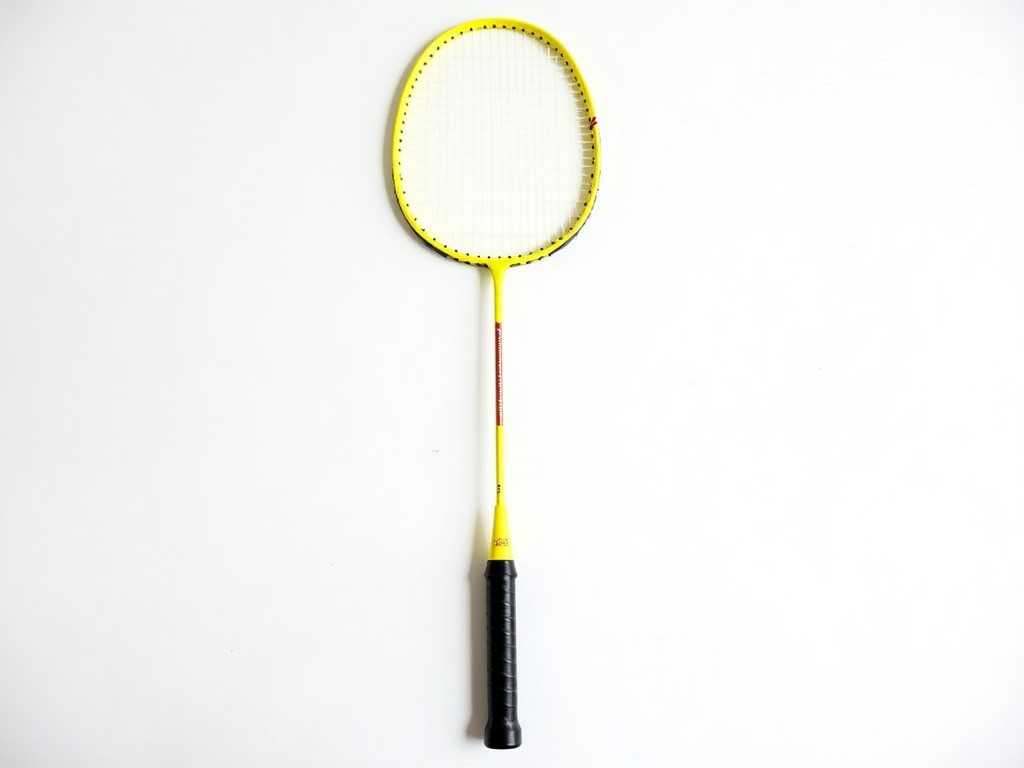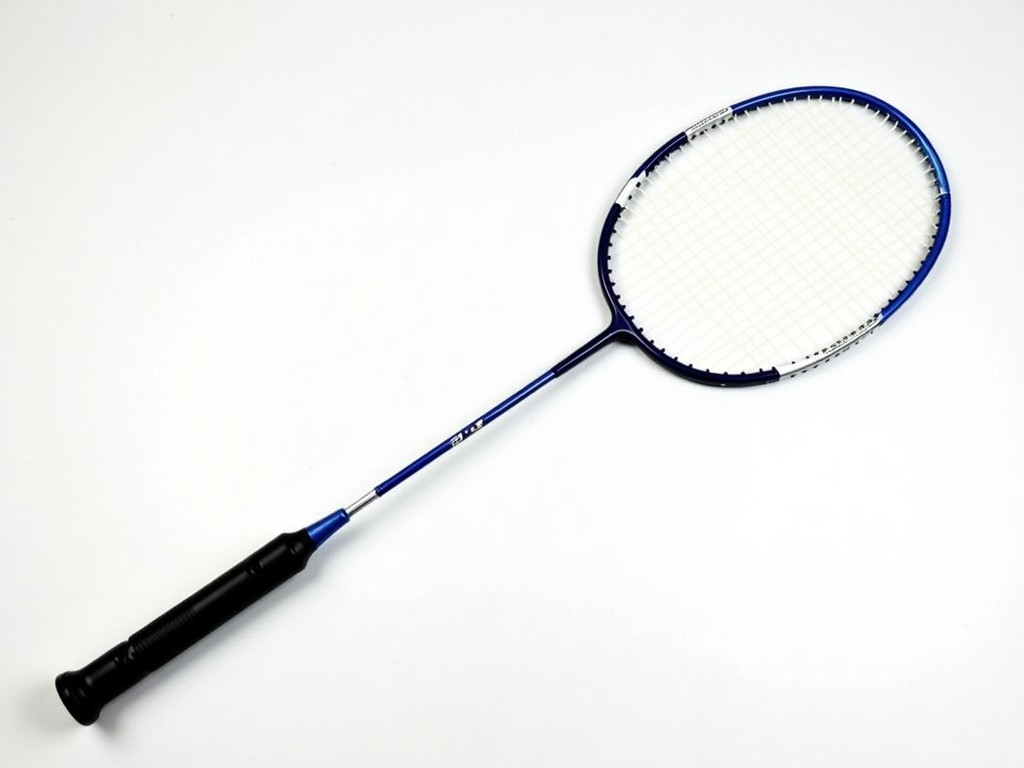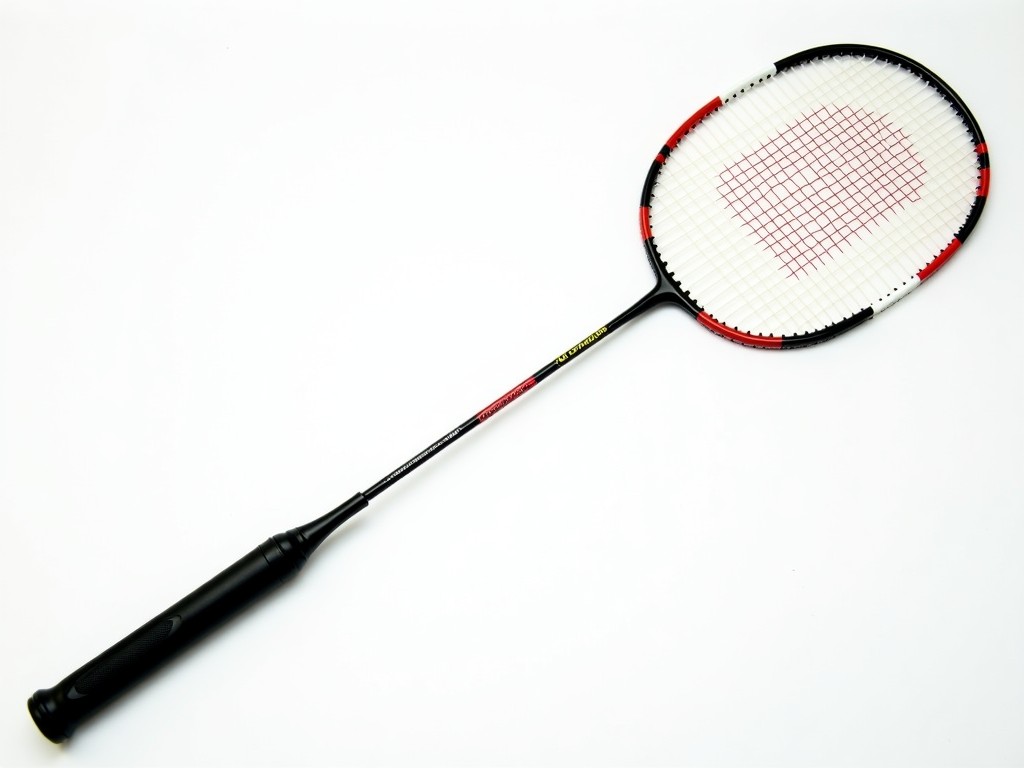
Oem Aluminum Badminton Training Racket Manufacturer
We produce aluminum alloy rackets designed for repeated training impacts, focusing on dimensional consistency and surface finish that meet the demands of coaches and training centers. The frame
OEM Aluminum Badminton Training Racket Manufacturer
We produce aluminum alloy rackets designed for repeated training impacts, focusing on dimensional consistency and surface finish that meet the demands of coaches and training centers.
Material Selection and Alloy Temper
The frame utilizes 6061‑T6 aluminum alloy, offering a tensile strength of approximately 310 MPa and a yield strength of 275 MPa, which provides a balance between stiffness for shot control and flexibility to absorb shuttle impact.
Frame Geometry and Cross‑Section
A conventional oval head with a width of 220 mm and a length of 280 mm is paired with a tapered shaft that reduces from 20 mm at the throat to 16 mm at the tip, decreasing swing weight while maintaining torsional rigidity.
Customizable Parameters
- Frame length: 660 mm to 680 mm (adjustable in 5 mm increments)
- Grip size: G2, G3, G4 (circumference 86 mm, 89 mm, 92 mm)
- String pattern: 16×19 or 18×20
- Finish: matte anodized (clear, black, blue) or powder coat
Typical Specifications
| Parameter | Typical Value |
|---|---|
| Overall Length | 665 mm ± 2 mm |
| Head Width | 220 mm ± 1 mm |
| Shaft Diameter (Throat) | 20 mm ± 0.2 mm |
| Shaft Diameter (Tip) | 16 mm ± 0.2 mm |
| Weight (Unstrung) | 85 g ± 3 g |
| Balance Point | 285 mm from butt cap ± 5 mm |
Manufacturing Process Overview
Extruded 6061‑T6 tubing is cut to length, then subjected to a T6 temper heat treatment to achieve the target mechanical properties. CNC machining follows to shape the head profile and shaft taper, with tolerances held to ±0.1 mm on critical dimensions. After machining, surfaces undergo alkaline cleaning before anodizing or powder coating, depending on the selected finish.
Quality Inspection Points
Each rack‑set undergoes three inspection stages: (1) dimensional verification using a coordinate measuring machine on head width, length, and shaft diameters; (2) surface finish assessment via gloss meter and visual check for anodizing thickness (≥12 µm for clear coat); (3) dynamic stiffness test where a 0.5 kg mass is dropped onto the string bed to measure rebound height, ensuring consistency within ±5 % across a batch.
Applications in Training Environments
Training rackets experience higher impact frequencies than competition models, often used for multi‑shuttle drills and beginner technique work. The selected alloy’s fatigue resistance (approximately 10⁷ cycles at 70 % of yield strength) allows sustained use over seasonal programs without permanent deformation, reducing replacement frequency for clubs and schools.
Frequently Asked Questions
- Can dimensions be customized? Yes, length, grip size, and string pattern are adjustable per the ranges listed above.
- What information is required before quotation? Provide desired quantity, finish type, grip size, and any special branding or logo placement.
- How is quality inspected? Refer to the Quality Inspection Points section for detailed checkpoints.