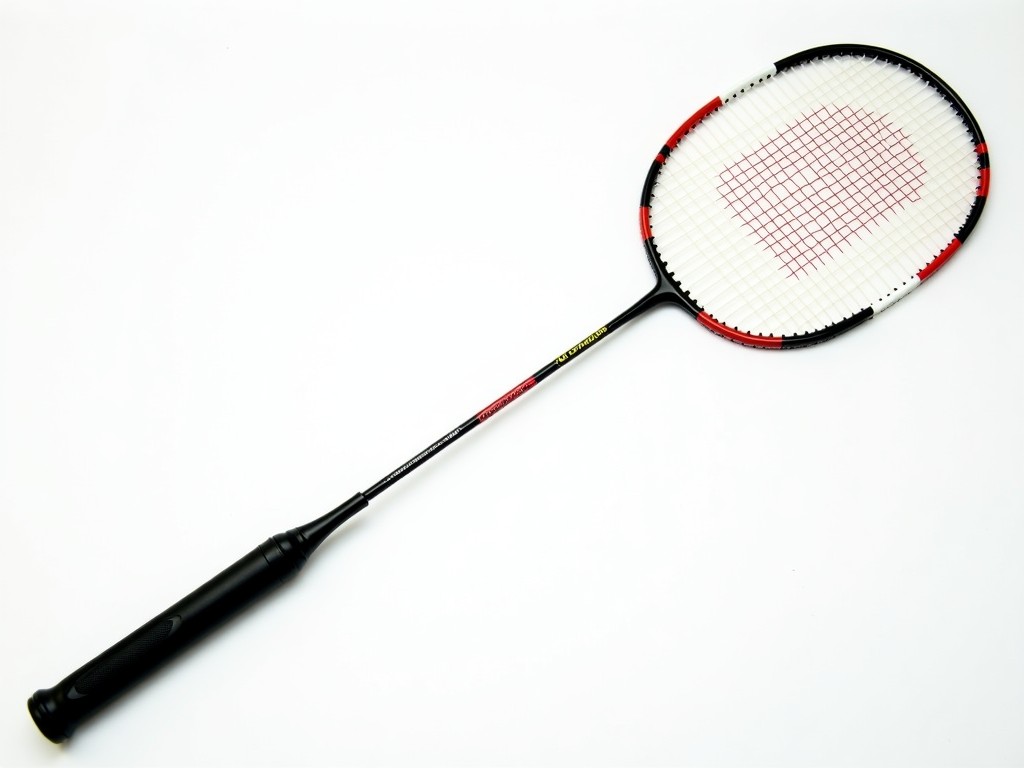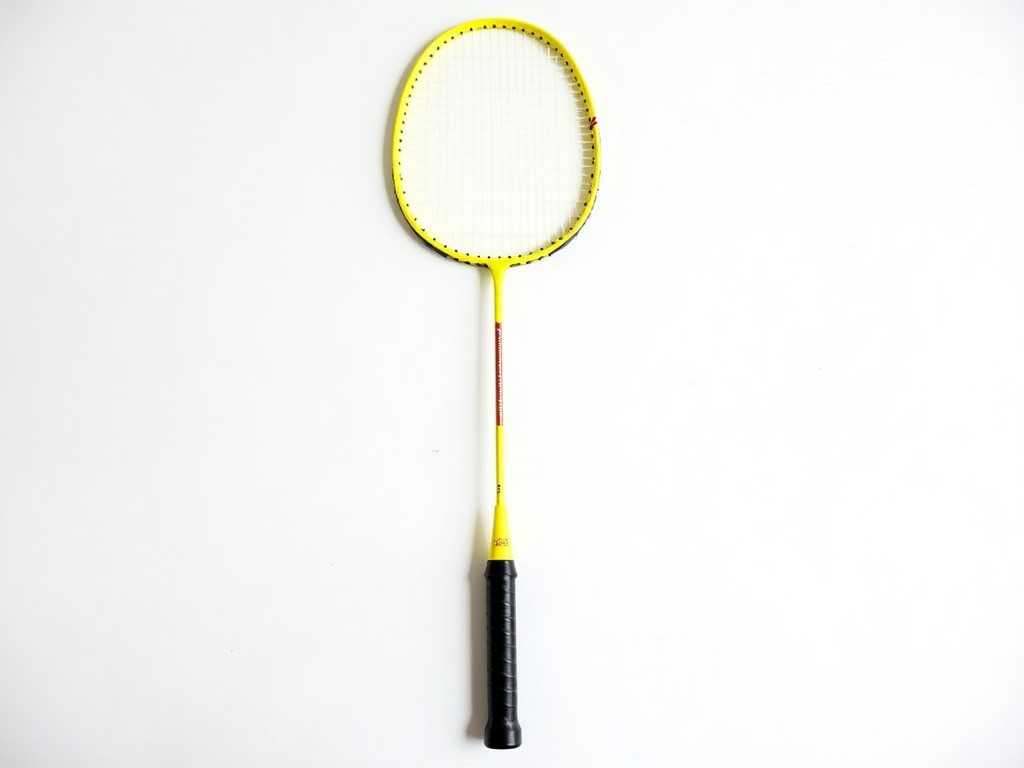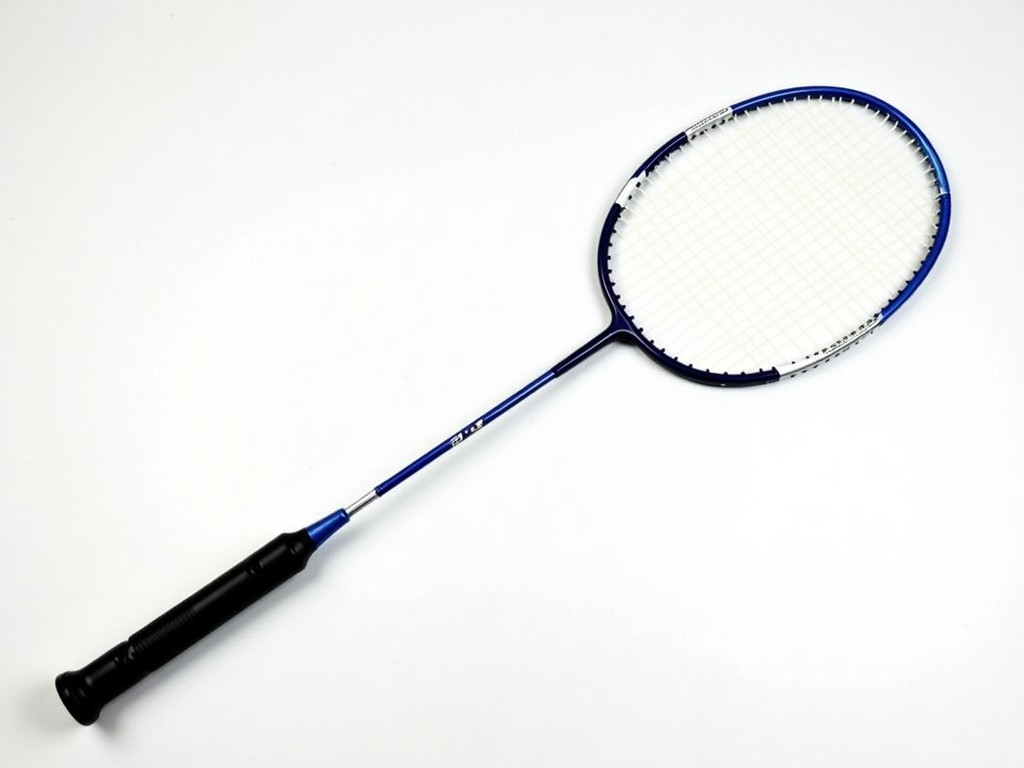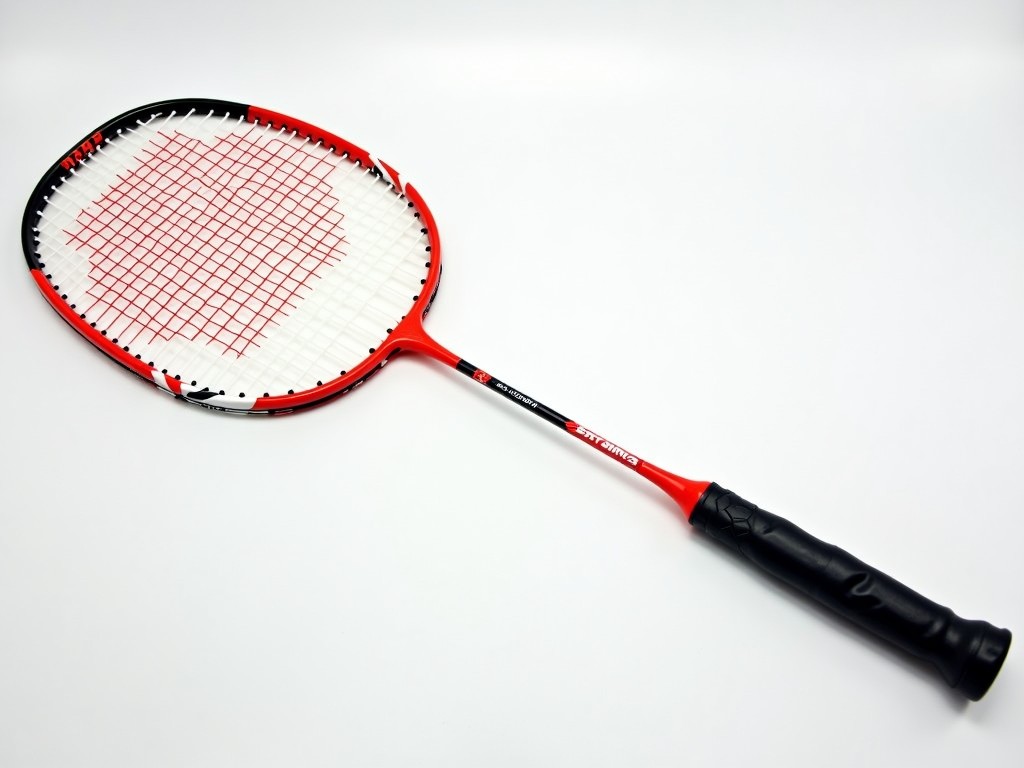
Oem Badminton Racket For Smash Doubles Factory
Producing rackets for smash‑focused doubles play requires a precise balance between head‑heavy momentum for powerful smashes and maneuverability for quick net exchanges. The design must accommodate
OEM Badminton Racket for Smash Doubles
Overview
Producing rackets for smash‑focused doubles play requires a precise balance between head‑heavy momentum for powerful smashes and maneuverability for quick net exchanges. The design must accommodate rapid wrist action while maintaining frame stability under high impact loads.
OEM manufacturers work closely with brands to translate performance targets into measurable specifications such as swing weight, flex point, and aerodynamic drag coefficient. This collaborative approach reduces development risk and ensures the final product meets the rigorous demands of competitive doubles.
Key Technical Parameters
| Parameter | Typical Range | Adjustment Notes |
|---|---|---|
| Frame Weight (unstrung) | 80‑88 g | Lighter frames increase swing speed; heavier frames boost smash power. |
| Balance Point | 295‑305 mm from butt cap | Head‑heavy bias (>300 mm) favors smash; more even balance improves defense. |
| Shaft Flex | Medium‑Stiff (flex rating 7‑8) | Stiffer shafts transfer more energy to shuttle; moderate flex aids control. |
| String Tension Range | 24‑30 lbs | Higher tension yields sharper feel; lower tension enlarges sweet spot. |
| Grip Size | G2‑G4 (circumference 83‑89 mm) | Selected based on player hand size and preferred grip technique. |
These values serve as a starting point; actual specifications are tuned according to the brand’s performance goals and player feedback.
Material Selection
High‑modulus carbon fiber sheets are layered with precise orientation to achieve the desired stiffness‑to‑weight ratio. The typical lay‑up uses 30‑40 % unidirectional fibers along the shaft axis for torsional rigidity, complemented by woven layers in the hoop to resist ovalization under impact.
The shaft often incorporates a tapered geometry, gradually reducing wall thickness from the throat to the tip. This taper shifts the flex point upward, enhancing whip‑like action during smashes while preserving stability for drives and clears.
For the frame, a blend of high‑modulus and intermediate‑modulus fibers provides a balance between rebound efficiency and fatigue resistance. Nano‑reinforced epoxy matrices are commonly used to improve inter‑laminar shear strength, reducing the likelihood of micro‑cracks after repeated high‑speed impacts.
Design Considerations for Smash Doubles
Aerodynamic drag is minimized through a streamlined frame profile; computational fluid dynamics studies show a 5‑7 % reduction in drag coefficient compared with conventional square‑frame designs, translating to faster swing speeds.
The sweet spot is positioned slightly higher than the geometric center to align with the typical contact point for forehand smashes in doubles. This placement maximizes energy transfer while maintaining a forgiving off‑center response for defensive blocks.
Vibration damping is achieved via strategically placed viscoelastic inserts in the handle and throat region, lowering peak vibration frequencies to below 150 Hz, which improves comfort during prolonged rallies.
Customization Options
- Frame weight adjustment in 0.5 g increments
- Balance point shift via internal weighting or material redistribution
- Shaft flex tuning through lay‑up variation or core material selection
- Grip shape and size customization (including tapered or conical profiles)
Cosmetic options such as matte versus gloss finish, color‑coded graphics, and laser‑etched logos are available upon request. All customizations are documented in a technical specification sheet to ensure repeatability across production batches.
Quality Assurance
Each racket undergoes a three‑stage inspection: visual examination for surface defects, dimensional verification using laser scanning (±0.1 mm tolerance), and dynamic testing on a swing‑speed rig to confirm flex and rebound characteristics.
Batch sampling includes impact durability tests where rackets are subjected to 5000 smash simulations at 35 m/s; acceptable performance is defined as less than 2 % change in flex rating and no visible frame cracking.
All test results are retained for traceability, and a certificate of conformity is supplied with each shipment.
Packaging & Logistics
Rackets are packed in individual corrugated sleeves with inner foam end caps to protect the head and shaft. Ten sleeves are placed in a master carton reinforced with corner protectors, suitable for palletized transport.
For overseas shipments, cartons are lined with moisture‑barrier bags and sealed with tamper‑evident tape. Typical lead time from approved sample to first production lot is 4‑6 weeks, depending on material availability and customization complexity.
Frequently Asked Questions
- Can the frame weight be reduced below 80 g without compromising strength? Achieving sub‑80 g frames requires ultra‑high‑modulus carbon fiber and a reduced safety margin; this is feasible for limited‑run performance models but increases cost and may affect durability under extreme use.
- What information is needed to start a quotation? Required details include target weight, balance point, preferred flex rating, grip size, estimated annual volume, and any cosmetic or branding specifications.
- Which materials are available for the shaft? Standard options are high‑modulus carbon fiber, intermediate‑modulus carbon fiber, and hybrid blends with aramid for added impact resistance.
- How is quality inspected before shipment? Each lot undergoes visual, dimensional, and dynamic testing as outlined in the Quality Assurance section; a sample report is available upon request.
- What packaging methods protect against moisture during sea freight? Cartons are lined with polyethylene moisture‑barrier bags and sealed with silica‑gel packs to maintain internal humidity below 60 % RH.
Contact Us
To discuss your OEM badminton racket project, please provide your technical requirements and expected order volume. Our engineering team will respond with a detailed feasibility analysis and quotation within two business days.