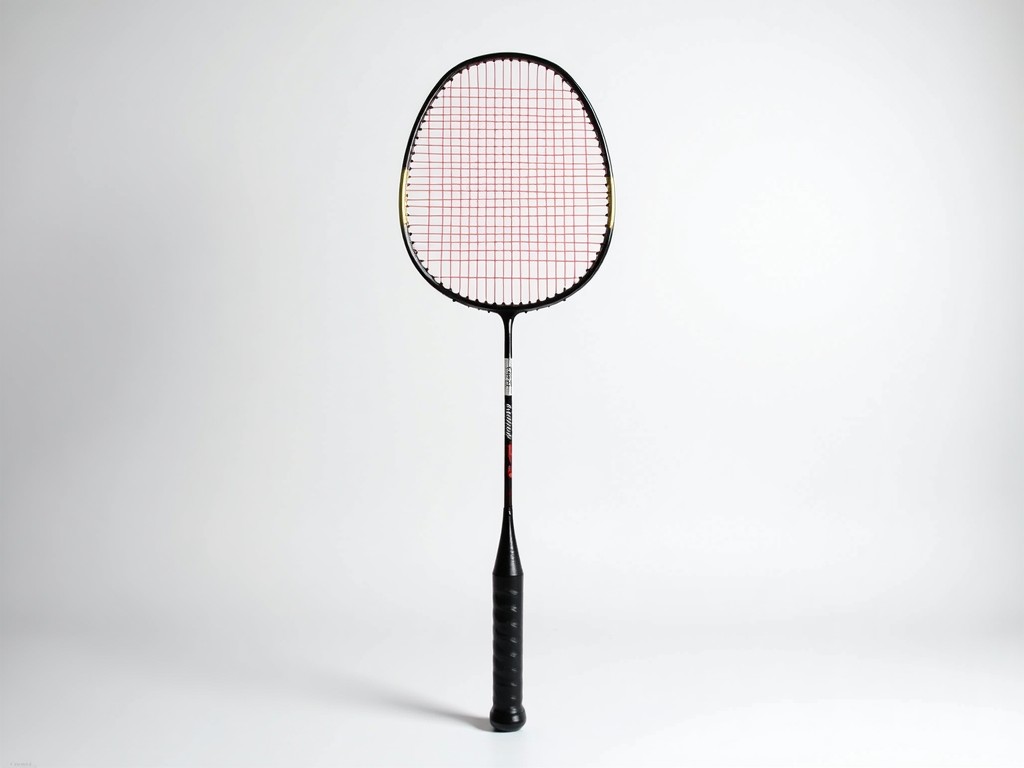
Wholesale Carbon Fiber Badminton Racket Company
Carbon fiber rackets are selected for wholesale distribution when consistent weight, stiffness, and durability are required across large volumes. The material’s high specific modulus allows
Wholesale Carbon Fiber Badminton Racket
Carbon fiber rackets are selected for wholesale distribution when consistent weight, stiffness, and durability are required across large volumes. The material’s high specific modulus allows manufacturers to reduce frame mass while maintaining the strength needed for high‑impact shuttle strikes. This section outlines the technical characteristics that influence purchasing decisions for OEM and distributor buyers.
Material Composition and Mechanical Properties
The racket shaft and hoop are constructed from unidirectional carbon fiber prepreg with a typical tensile modulus of 230 GPa and tensile strength of 4.8 GPa. Fibers are oriented at 0°, ±45°, and 90° to achieve a balanced combination of longitudinal stiffness and torsional resistance. Resin system is an epoxy blend engineered for a glass transition temperature above 150 °C, ensuring dimensional stability under repeated thermal cycling during play.
Typical finished racket weight ranges from 78 g to 84 g (unstrung) with a tolerance of ±0.5 g achievable through precise fiber placement and cure monitoring. The resulting flexural modulus of the assembled frame measures between 8.5 GPa and 9.5 GPa, providing a mid‑stiff feel preferred by intermediate to advanced players.
Frame Geometry and Aerodynamics
Head shape follows an isometric pattern with a nominal width of 220 mm and height of 225 mm, increasing the effective sweet spot by approximately 7 % compared to conventional oval frames. The aerodynamic profile incorporates a reduced drag coefficient (Cd ≈ 0.28) through a tapered shaft and smoothed grommet channels, which contributes to faster swing speeds.
Balance point is adjustable between 285 mm and 295 mm from the handle end, allowing a shift from head‑heavy (≈295 mm) for power‑oriented play to head‑light (≈285 mm) for rapid net exchanges. Shaft stiffness is quantified by a flex rating of 7.0 – 7.5 on a 10‑point scale, measured via a three‑point bend test at 150 mm span.
Stringing Compatibility and Tension Range
The racket features a shared‑hole grommet pattern with 12 main and 8 cross strings, compatible with standard 0.65 mm to 0.70 mm badminton strings. Recommended tension lies between 20 lb and 28 lb (9 kg to 12.7 kg) for optimal power‑control balance; exceeding 30 lb may increase frame stress beyond design limits.
String bed stiffness, measured as the force required to deflect the bed 1 mm, typically ranges from 180 N to 240 N within the recommended tension window, providing a predictable feel for players transitioning between rackets.
Customization Options for OEM Buyers
- Shaft flex adjustment: modulus variation ±10 % via fiber angle tweaks
- Grip size: available in G2, G3, G4 with optional overlay thickness 0.5 mm–1.5 mm
- Weight tuning: removable tungsten inserts (±2 g) placed in the handle
- Finish: matte UV‑cured paint, gloss polyurethane, or clear coat with optional color pigments
- Logo application: laser engraving, sublimation printing, or embossed metal badge
Manufacturing Process Overview
Production begins with computer‑controlled cutting of carbon fiber prepreg to precise ply shapes. Plies are laid up in a heated mold using a vacuum bagging technique to eliminate voids. The mold is then transferred to an autoclave where a cure cycle of 120 °C at 2 bar for 90 minutes achieves full polymerization. Post‑cure, frames undergo demolding, trimming, and drilling of grommet holes before painting and final assembly.
In‑line monitoring includes laser thickness gauges (±0.02 mm) and temperature probes to ensure cure uniformity. Each batch is sampled for flexural modulus and weight to confirm adherence to specification before moving to the next stage.
Quality Control and Inspection
- Dimensional inspection: length, width, head width measured with digital calipers (±0.1 mm tolerance)
- Weight verification: analytical balance (±0.1 g)
- Flex test: three‑point bend at 150 mm span, load‑deflection curve recorded
- Impact resistance: shuttle strike simulation at 30 m/s, frame inspected for delamination
- Visual inspection: surface finish, paint adhesion, logo placement under 10× magnification
Typical Specifications
| Parameter | Typical Value | Customizable Range |
|---|---|---|
| Unstrung Weight | 80 g | 78 g – 86 g |
| Balance Point (from handle) | 290 mm | 285 mm – 295 mm |
| Shaft Flex Rating | 7.2 | 6.5 – 8.0 |
| Recommended String Tension | 24 lb | 20 lb – 30 lb |
Applications in Sports Distribution and Retail
Wholesale buyers select carbon fiber rackets for their ability to deliver uniform performance characteristics across large shipments, reducing the likelihood of customer complaints related to weight or flex variance. The high strength‑to‑weight ratio also translates to lower shipping mass, decreasing logistics costs for distributors operating across regions.
Retail chains benefit from the aesthetic flexibility of the finish options, allowing them to align racket appearance with seasonal marketing campaigns without altering the underlying performance baseline. The material’s resistance to environmental humidity minimizes warping during storage in varied climate warehouses.
Ordering and Lead Time
Minimum order quantity for wholesale is typically 500 units, with sample units available upon request for validation of flex and weight specifications. Production lead time averages 25‑30 working days after approval of final artwork and material confirmation, subject to current capacity and raw material availability.
Frequently Asked Questions
- Can the racket length be customized? Yes, overall length can be adjusted between 660 mm and 680 mm by varying the shaft and handle dimensions while maintaining balance point targets.
- What information is required before quotation? Required details include desired weight range, flex preference, grip size, finish type, logo files, and order quantity.
- Which carbon fiber grades are offered? Standard modulus (≈230 GPa) and intermediate modulus (≈280 GPa) fabrics are available; higher modulus options can be quoted for specialized performance.
- How is quality inspected before shipment? Each lot undergoes dimensional, weight, flex, and impact checks as outlined in the QC section; a batch certificate of conformity is provided.
- What packaging methods are available for export? Rackets are packed in individual PE bags, placed in corrugated cartons with corner protectors, and palletized for sea or air freight; custom inserts can be added upon request.
- How are samples arranged? Sample shipment is organized after receipt of a signed sample request form; sample cost is credited against the first bulk order.
Contact for Technical Inquiry
For further details on material options, tolerance capabilities, or to request a formal quotation, please reach out to our technical sales team.
Request Technical Quote


