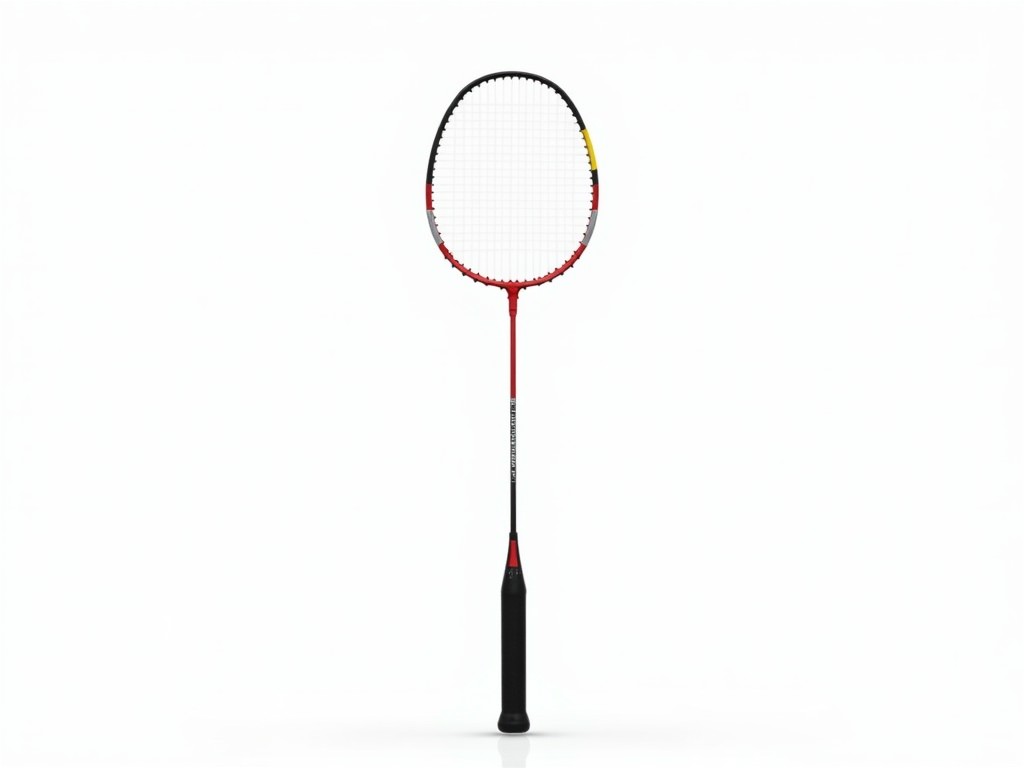
Wholesale Coka Badminton Racket Manufacturer
Coka badminton rackets are constructed using a high-modulus carbon composite that provides a consistent flex profile across the shaft. The frame geometry follows an isometric head shape, enlarging
Wholesale Coka Badminton Racket Manufacturer
Product Overview
Coka badminton rackets are constructed using a high-modulus carbon composite that provides a consistent flex profile across the shaft. The frame geometry follows an isometric head shape, enlarging the sweet spot and reducing torsion during off‑center impacts. This design targets players who require repeatable shot accuracy in both training and competitive environments.
Manufacturing occurs in a controlled environment where layup orientation and resin cure cycles are monitored to maintain tolerances within ±0.2 mm for frame thickness. Each rack undergoes a dynamic stiffness test to verify that the flex point aligns with the designated balance zone. These steps ensure that wholesale batches exhibit minimal variation in performance characteristics.
Material Composition and Construction
The shaft utilizes a unidirectional carbon fiber layup with a 0°/90° orientation ratio of 70/30, delivering a modulus of approximately 230 GPa. The frame incorporates a hybrid weave that blends carbon with a small percentage of aramid fibers to improve impact resistance without adding significant weight. Resin system is an epoxy formulation optimized for low outgassing and high glass transition temperature.
Grip material is a polyurethane‑based overlay with a micro‑textured surface, offering a friction coefficient of roughly 0.45 under dry conditions. The butt cap is molded from reinforced nylon to provide a durable end‑stop that resists cracking under repeated shaft flex. All components are bonded using a film adhesive that cures at 180 °C, ensuring a void‑free interface.
Dimensional and Performance Specifications
| Parameter | Typical Value | Adjustable Range |
|---|---|---|
| Head Size | 680 cm² | ±20 cm² (custom) |
| Weight (unstrung) | 78 g | 70‑85 g |
| Balance Point | 295 mm from butt | 280‑310 mm |
| Shaft Stiffness | 7.2 mm deflection @ 10 N | 6.0‑8.5 mm |
| Recommended String Tension | 24‑28 lbs | 20‑30 lbs |
Values above represent median measurements from production samples; actual figures can be tailored to meet specific player preferences or regulatory limits.
Applications in Sports and Training
The isometric head design increases the effective hitting area, which is advantageous for beginner‑to‑intermediate players learning stroke consistency. Advanced players benefit from the balanced weight distribution that enables rapid wrist snap for drives and quick net play. The shaft stiffness range allows coaches to select a flex that matches the athlete’s strength profile, reducing the risk of overuse injuries during prolonged practice sessions.
In institutional settings such as school sports programs or club academies, the rackets’ durability under frequent stringing cycles reduces replacement frequency. The aramid‑enhanced frame resists cracking when subjected to accidental floor impacts, a common occurrence in multi‑court facilities. These attributes support long‑term cost efficiency for bulk purchasers.
Export markets often require compliance with specific weight and balance regulations for junior categories; the adjustable parameters outlined in the specification table facilitate rapid re‑tooling without changing core tooling.
Customization Options
- Frame color: matte black, gloss white, or custom Pantone match
- Grip size: G2, G3, G4 with optional over‑wrap thickness
- String pattern: 16×19, 18×20, or user‑defined
- Balance shift: head‑light, even, or head‑heavy via weight inserts
- Logo placement: silk‑screened or laser‑etched on shaft or throat
Each option is evaluated for its effect on overall mass and swing weight; adjustments are compensated by corresponding changes in layup thickness to maintain target performance metrics.
Lead time for customized lots typically ranges from 3 to 5 weeks, depending on complexity and current production load.
Quality Control and Testing
Incoming carbon prepreg is inspected for resin content and fiber areal weight using FTIR and burn‑off methods, with acceptance criteria set at ±2 % of nominal values. After layup, each frame undergoes a ultrasonic C‑scan to detect delamination or voids larger than 0.5 mm².
Finished rackets are subjected to a three‑point bend test to verify flexural modulus, followed by an impact durability test where a 5 g shuttlecock is fired at 30 m/s repeatedly for 500 cycles. Crack initiation is monitored via high‑speed video; acceptable units show no visible damage after the test cycle.
Final inspection includes weight measurement, balance verification, and grip adhesion pull‑off strength (≥15 N). Only units meeting all criteria are cleared for wholesale packaging.
Packaging and Logistics
Rackets are packed in individual corrugated sleeves with internal polyethylene foam corners to protect the frame edges during handling. Each sleeve is placed in a master carton that holds 12 units, arranged to minimize movement; carton dimensions are 380 mm × 260 mm × 120 mm.
Cartons are sealed with pressure‑sensitive tape and marked with handling symbols indicating “Fragile – Keep Dry”. Palletized loads use stretch wrap and corner boards to secure the stack for containerized shipment. Standard export pallets accommodate 48 cartons (576 rackets) per 20‑foot container.
Tracking labels include QR codes linking to the batch’s test data sheet, enabling traceability from raw material to end‑customer.
Frequently Asked Questions
- Can dimensions be customized? Yes, head size, weight, and balance can be adjusted within the ranges shown in the specification table.
- What information is required before quotation? Desired quantity, target weight/balance, grip size, and any branding or color specifications.
- What materials are available for the shaft? Standard high‑modulus carbon; optional aramid‑reinforced or hybrid blends are offered upon request.
- How is quality inspected? Incoming material checks, ultrasonic C‑scan, flexural and impact durability tests, and final dimensional verification.
- What packaging methods are available? Individual foam‑corner sleeves, master cartons of 12 units, palletized stretch‑wrapped loads; custom packaging can be arranged.
- How are export shipments protected? Corner boards, stretch wrap, and moisture‑barrier liners inside containers.
- What is the typical production lead time? 3‑5 weeks for customized orders; 2‑3 weeks for standard catalog items.
- How are samples arranged? Sample units can be dispatched after receipt of a signed sample agreement and prepayment of shipping costs.


