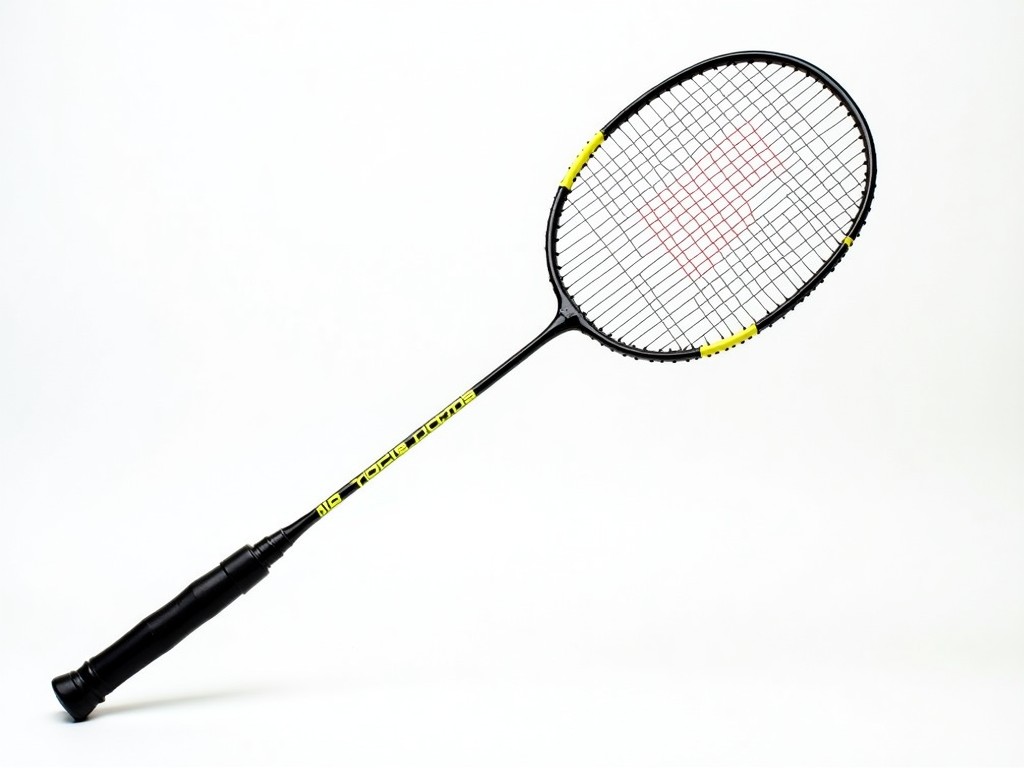
Wholesale Extra Stiff Badminton Racket Factory
Extra stiffness in a badminton racket shifts the balance toward power generation while maintaining a predictable rebound. This characteristic is achieved through a combination of high‑modulus
Wholesale Extra Stiff Badminton Racket – Factory Direct
Extra stiffness in a badminton racket shifts the balance toward power generation while maintaining a predictable rebound. This characteristic is achieved through a combination of high‑modulus graphite lay‑up, precise shaft taper, and reinforced joint design. Industrial buyers evaluating bulk orders benefit from understanding how these engineering choices affect swing speed, shuttle impact, and long‑term durability under repeated high‑tension stringing.
Technical Specifications
| Parameter | Typical Value / Range |
|---|---|
| Frame Material | High‑modulus graphite (HM‑G) with optional carbon‑nanotube reinforcement |
| Shaft Material | HM‑G shaft, tapered profile |
| Weight (unstrung) | 80 – 88 g |
| Balance Point | 285 – 295 mm from butt (head‑heavy) |
| Stiffness Index (flex rating) | 7.5 – 8.5 (on a 1‑10 scale, higher = stiffer) |
| Recommended String Tension | 24 – 30 lbs (depending on player preference) |
| Grip Size | G2, G3, G4 (standard) |
Frame Materials and Construction
The racket frame utilizes a unidirectional lay‑up of high‑modulus graphite fibers oriented at 0° and ±45° to maximize torsional resistance while keeping mass low. A thin layer of thermoplastic polyurethane is co‑cured at the joint between frame and shaft to improve impact damping without adding noticeable weight. This construction yields a frame that resists deformation during high‑speed smashes, translating more of the player’s kinetic energy into shuttle velocity.
Wall thickness varies along the frame: thicker at the 10 and 2 o’clock positions for hoop strength, tapered toward the 6 o’clock to reduce swing weight. Finite‑element analysis during prototyping shows a peak stress concentration below 150 MPa under a 30 lb string load, well within the fatigue limit of the graphite composite.
Shaft Design and Flex Profile
The shaft employs a constant‑taper geometry, decreasing diameter from 10 mm at the throat to 6 mm at the tip. This taper creates a progressive flex curve: the lower third remains relatively stiff for control, while the upper two‑thirds allow a controlled snap‑back that contributes to shuttle acceleration. The flex profile is measured using a cantilever test, yielding a stiffness gradient of approximately 0.8 N/mm per 10 mm length increment.
To avoid unwanted vibration, a viscoelastic damping layer is inserted between the inner and outer graphite layers of the shaft. This layer reduces high‑frequency ringing after impact, improving feel without compromising the overall stiffness required for power shots.
Manufacturing Process Overview
- Pre‑preg graphite sheets are cut to pattern and stacked in molds.
- Molds are closed and heated to 180 °C under 150 bar pressure for 45 minutes to cure the resin.
- After demolding, frames undergo CNC trimming to achieve final dimensions.
- Shafts are produced via pultrusion, then tapered and bonded to frames using a high‑temperature epoxy film.
- Each racket is inspected for alignment, weight balance, and surface finish before painting and grip application.
Quality Control and Testing
Every production lot undergoes a three‑stage verification: dimensional inspection (±0.2 mm tolerance on length and width), weight verification (±0.5 g), and static flex testing. Flex testing applies a known load at the tip and measures deflection; results must fall within the prescribed stiffness index range. Additionally, a sample of 5 % of lot is subjected to accelerated fatigue testing (10 000 impact cycles at 28 lb tension) to confirm no delamination or cracking.
Surface coating thickness is measured with a dry‑film gauge to ensure uniform paint adhesion, preventing premature chipping during regular use. All inspection data are logged and traceable by lot number for any future warranty analysis.
Applications in Competitive Play
Extra‑stiff rackets are favored by players who rely on rapid, aggressive shot execution—such as front‑court attackers in doubles and singles players who favor powerful smashes and drives. The reduced frame flex minimizes energy loss during impact, allowing a higher proportion of swing speed to be transferred to shuttle velocity. In defensive situations, the stiffness provides a predictable rebound, aiding quick net lifts and blocks without unwanted frame whip.
Because the shaft retains a controlled snap‑back, players can still generate deceptive drop shots and cuts when needed, offering a versatile tool set while maintaining a power‑biased baseline. This balance makes the racket suitable for training environments where consistent feedback is essential for technique refinement.
Customization Options
- Frame weight adjustment (±2 g) via internal weighting inserts.
- Balance point shift (head‑heavy, even, head‑light) through altered shaft length.
- Grip size and material (synthetic PU, towel‑over, leather).
- Paint color schemes, matte or gloss finish, and logo placement.
- Stringing options: pre‑strung at customer‑specified tension or unstrung for in‑house stringing.
Packaging and Shipping
Rackets are placed in individual corrugated sleeves with internal foam end caps to protect the frame and shaft edges. Five sleeves are then packed into a master carton lined with a moisture‑barrier layer. Cartons are sealed with pressure‑sensitive tape and marked with handling symbols (keep dry, this side up). For palletized shipments, cartons are stacked no higher than five layers and secured with stretch film to prevent shifting during transit.
Each master carton includes a packing list detailing SKU, quantity, weight, and destination markings. This facilitates customs clearance and reduces the likelihood of mis‑counts upon receipt.
Lead Time and Ordering
Standard production cycles for extra‑stiff badminton rackets range from 20 to 28 working days after receipt of a confirmed purchase order and approved artwork. Lead time fluctuates with order size, selected customization options, and current capacity utilization. For repeat orders with unchanged specifications, lead time often shortens to approximately 15 working days due to streamlined setup.
To initiate a quotation, customers should provide desired quantity, any required customizations (weight, balance, grip, graphics), preferred string tension if pre‑stringing is needed, and delivery address. Upon receipt, a formal proforma invoice with estimated completion date is issued within two business days.
Contact our sales team for a detailed quote and sample arrangement


