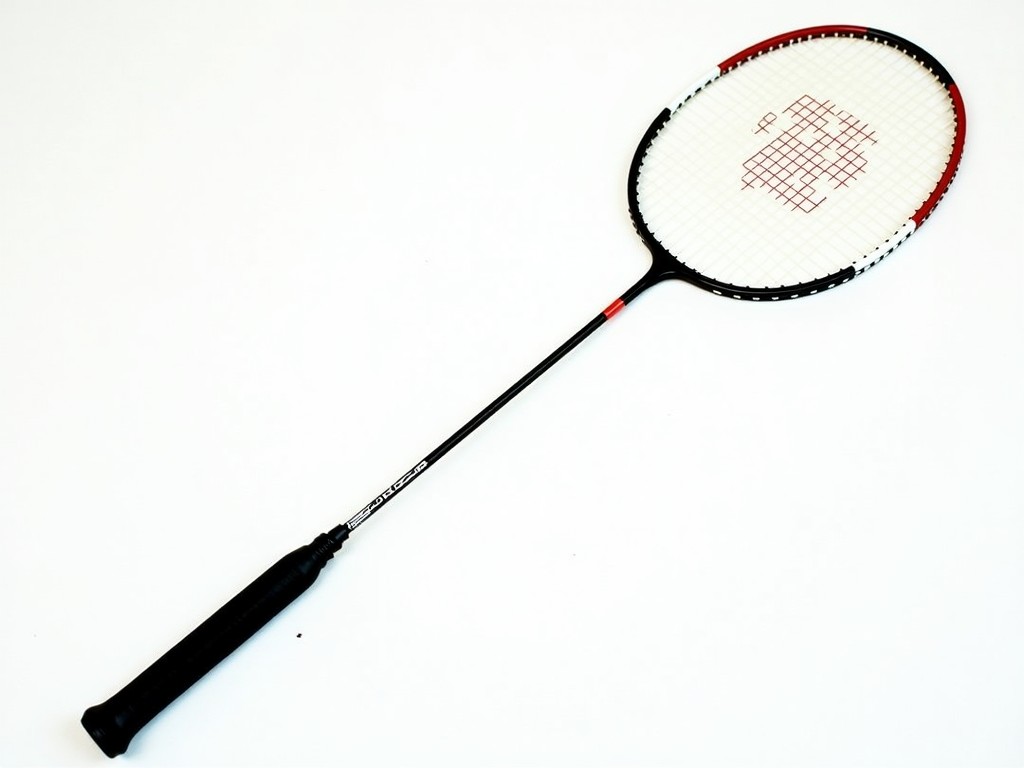
Wholesale Hi Qua Badminton Racket Supplier
This supplier focuses on producing badminton rackets in large volumes where dimensional consistency and material uniformity are critical for institutional buyers such as sports clubs, schools, and
Wholesale High Quality Badminton Racket Supplier
This supplier focuses on producing badminton rackets in large volumes where dimensional consistency and material uniformity are critical for institutional buyers such as sports clubs, schools, and training centers. Each racket is built to meet tight tolerances that reduce variability in play performance across a batch.
Technical Specifications
| Parameter | Typical Value |
|---|---|
| Frame Material | Carbon graphite composite (30‑40 % graphite) |
| Shaft Material | Carbon graphite with aramid reinforcement |
| Unstrung Weight | 80‑90 g (±1 g) |
| Balance Point | 285‑300 mm from handle (head‑light to even) |
| Flex Rating | Flexible / Medium / Stiff (deflection 10‑15 mm under 5 N) |
| Recommended String Tension | 20‑30 lb (9‑13.5 kg) |
| Grip Size | G2 (≈ 86 mm) or G3 (≈ 89 mm) |
| Overall Length | 665‑675 mm |
| String Pattern | 16 × 19 |
Materials & Construction
The frame is manufactured using a pre‑impregnated carbon graphite sheet that is laid up in a bi‑axial orientation to maximize tensile strength while keeping torsional low. A high‑performance epoxy resin is cured at 150 °C under 120 psi pressure in a matched‑metal mold, resulting in a void‑free laminate with a flexural modulus of approximately 45 GPa. The shaft receives a similar layup but includes a 10 % aramid fiber layer to improve impact resistance without significantly increasing weight.
Performance Characteristics
Weight distribution directly influences swing speed; a head‑light balance (≈ 285 mm) allows quicker wrist action for defensive play, while an even balance (≈ 295 mm) offers a compromise for all‑court players. Flex rating determines the timing of energy return: a flexible shaft stores more energy during the backswing and releases it later, benefiting beginners who generate lower swing speeds, whereas a stiff shaft delivers immediate response for advanced players with high swing speeds. The recommended string tension range ensures optimal shuttlecock rebound while maintaining frame durability.
Applications
Clubs and leagues often require rackets that perform uniformly across dozens of players, making tight weight and balance tolerances essential for fair competition. Schools benefit from the durable carbon‑graphite construction that withstands frequent use by novice players who may inadvertently clash rackets during drills. Training centers select medium‑flex models to help players develop proper stroke mechanics without excessive vibration feedback.
Quality Assurance
Each racket undergoes a five‑step inspection: (1) weight measurement on a calibrated scale with ±0.1 g resolution, (2) balance point determination using a precision fulcrum with ±1 mm accuracy, (3) flex test where a 5 N load is applied at the shaft midpoint and deflection is recorded, (4) impact resistance test simulating a shuttlecock strike at 30 m/s using a pneumatic striker, and (5) string tension retention check after 1000 consecutive hits, ensuring tension loss does not exceed 10 %. Only units passing all criteria are packed for shipment.
Customization Options
- Logo or branding applied via pad printing or heat transfer on the shaft or throat area.
- Frame color options achieved through UV‑stable powder coating in standard Pantone shades.
- Grip selections including synthetic PU, towel‑style, or perforated variants.
- Weight tuning through the addition of discreet tungsten tape strips inside the handle to adjust balance by up to 5 mm.
- String pattern alterations (e.g., 18 × 20) available upon request for specific play preferences.
Packaging & Shipping
Each racket is first placed in an anti‑static polyethylene bag to prevent surface scratching. The bagged racket is then inserted into a single‑wall corrugated inner box with a fitted cardboard spacer that immobilizes the frame. Twelve inner boxes are stacked into a master carton reinforced with corner protectors and sealed with pressure‑sensitive tape. Cartons are palletized, stretch‑wrapped, and fitted with humidity indicator cards to monitor moisture levels during transit.
Lead Time
For standard models with no customization, the typical production lead time is 14‑18 working days after receipt of a confirmed purchase order, assuming a minimum order quantity of 500 pieces. Custom logo printing or special color coatings add approximately 5‑7 days. Shipping via sea freight from the port of Shanghai to destination ports averages 20‑30 days, while air freight reduces transit to 4‑6 days at higher cost.
Frequently Asked Questions
- Can the rackets be customized with our company logo?
- Yes, logos can be applied using pad printing for single‑color designs or heat transfer for multi‑color artwork. Artwork files in vector format (AI, EPS) are preferred.
- What is the minimum order quantity for a custom color coating?
- The minimum order quantity for a custom powder‑coat finish is 300 pieces per color.
- How is the weight tolerance verified?
- Each racket is weighed on a calibrated analytical balance with a readability of 0.01 g; the acceptance window is ±1 g from the target weight.
- Do you provide samples before a production run?
- Pre‑production samples are available upon request; sample costs are credited against the first official order.
- What certifications do your rackets meet?
- The manufacturing process follows ISO 9001 quality management principles; rackets are tested to meet the Badminton World Federation equipment specifications for frame durability and shaft flex.
- How are shipments protected against moisture?
- Master cartons include silica‑gel desiccant packets and humidity indicator cards; pallets are wrapped with water‑resistant stretch film.
Contact Us
For detailed quotations, sample requests, or technical consultation, please reach out to our sales team.
Request a Quote


