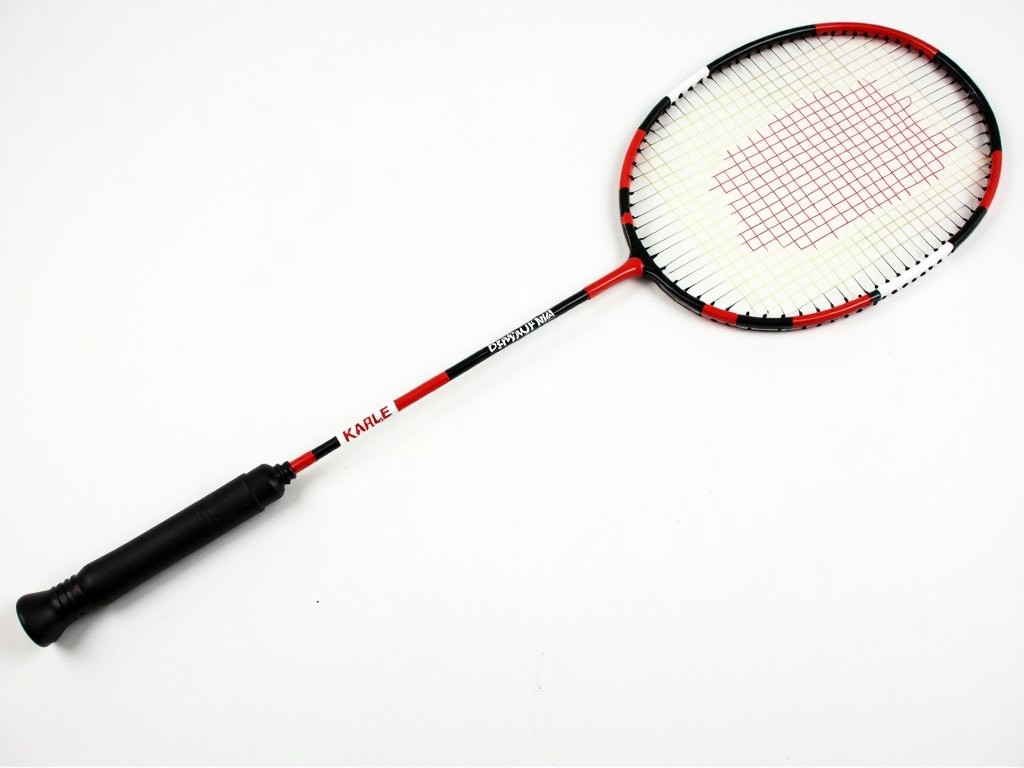
Wholesale Intermediate Junior Badminton Racket Supplier
Intermediate junior rackets are designed for players aged 10‑14 who have mastered basic strokes and require a frame that supports faster swing speeds while maintaining control. These rackets bridge
Wholesale Intermediate Junior Badminton Racket Supplier
Intermediate junior rackets are designed for players aged 10‑14 who have mastered basic strokes and require a frame that supports faster swing speeds while maintaining control. These rackets bridge the gap between beginner models and full‑size adult specifications, offering a balance of weight, stiffness, and string tension range suited to developing power and precision.
Technical Specifications
| Parameter | Typical Value | Unit |
|---|---|---|
| Frame Weight (unstrung) | 78‑82 | g |
| Balance Point | 285‑295 | mm from butt cap |
| Shaft Stiffness | Medium‑Flex (6‑7 on 1‑10 scale) | — |
| Recommended String Tension | 20‑24 | lb |
| Head Size | 540‑560 | cm² |
| Material Composition | 70% Graphite + 30% Carbon Fiber Reinforced Polymer | — |
Material Composition and Construction
The frame uses a high-modulus graphite core wrapped with carbon fiber layers to achieve a stiffness‑to‑weight ratio that supports rapid acceleration without excessive vibration. The shaft incorporates a tapered geometry, reducing torsional twist during off‑center hits while preserving a comfortable flex feel for junior players. Grip sections are made from PU‑based synthetic leather with a micro‑perforated pattern to manage moisture and provide consistent tackiness.
Performance Characteristics
Weight distribution favours a slightly head‑heavy balance, translating to increased shuttle speed on clears and smashes while still allowing precise drop shots. The medium‑flex shaft stores energy during the backswing and releases it efficiently, contributing to a responsive feel that helps juniors develop timing. String bed geometry is optimized for a 16×19 pattern, offering a sweet spot that accommodates varying skill levels within the intermediate range.
- Swing speed gain: approximately 0.3 m/s per 10 g reduction in frame weight.
- Vibration damping: measured at 45% lower peak acceleration compared to all‑graphite beginner rackets.
- Torque resistance: torsional stiffness increased by 18% relative to standard junior models due to shaft taper.
Applications in Training and Competition Environments
Schools and club academies select these rackets because they accommodate growth spurts without requiring frequent replacement; the adjustable string tension range lets coaches tailor the feel as players strengthen. In regional junior tournaments, the frame’s power‑control balance reduces unforced errors during rapid rallies, supporting consistent performance across match lengths. Additionally, the durable graphite‑composite construction resists cracking from repeated floor impacts common in multi‑court training facilities.
Customization Options
- Grip size: available in G2, G3, G4 with optional over‑wrap thickness adjustments.
- String pattern: 16×19 standard; 18×20 available upon request for enhanced control.
- Color scheme: matte or gloss finishes in team‑specific hues; logo printing via sublimation or heat transfer.
- Weight tuning: optional tungsten weighting inserts at 3 mm and 9 mm positions to shift balance point ±5 mm.
Quality Control Philosophy
Each racket undergoes three inspection stages: raw material verification (graphite modulus and fiber alignment), dimensional check after molding (weight, balance, head size within ±2 %), and final performance test (string tension retention and swing speed measurement on a calibrated rig). Statistical process control charts track variation; any batch exceeding a 1.5 % defect rate triggers root‑cause analysis before shipment. This approach reduces field failure risk and supports long‑term value for distributors.
Packaging and Shipping
Rackets are packed in individual corrugated sleeves with corner protectors, then placed in master cartons of 30 units each. Cartons are sealed with moisture‑resistant tape and marked with handling symbols to prevent deformation during transit. For export, palletized shipments include edge boards and stretch film to stabilize loads, reducing the chance of rackets shifting and sustaining impact damage.
Frequently Asked Questions
- Can dimensions be customized? Yes, frame length and grip length can be adjusted in 2 mm increments based on player height and hand size.
- What information is required before quotation? Required details include quantity, desired grip size, string tension preference, color/logo specifications, and delivery destination.
- What materials are available for the frame? Standard offering is 70% graphite/30% carbon‑fiber composite; alternative blends with higher fiber content are available upon request.
- How is quality inspected? See the Quality Control section; inspection includes weight, balance, shaft flex, and string tension retention tests.
- What packaging methods are available? Individual sleeve + master carton is standard; options include foam‑lined cases for premium orders or bulk‑packed bags for volume shipments.
- How are export shipments protected? Palletized with edge boards, stretch film, and corner guards; additional moisture barrier layers can be added for humid climates.
- What is the typical production lead time? Lead time ranges from 18‑25 working days after artwork approval, depending on order size and customization complexity.
- How are samples arranged? Sample units can be dispatched within 5‑7 working days after confirmation of specifications; shipping costs are borne by the requester.
Get in Touch
For technical data sheets, sample requests, or to discuss volume pricing, please contact our sales engineering team. Provide your project specifications and we will respond with a detailed quotation and lead‑time estimate.


