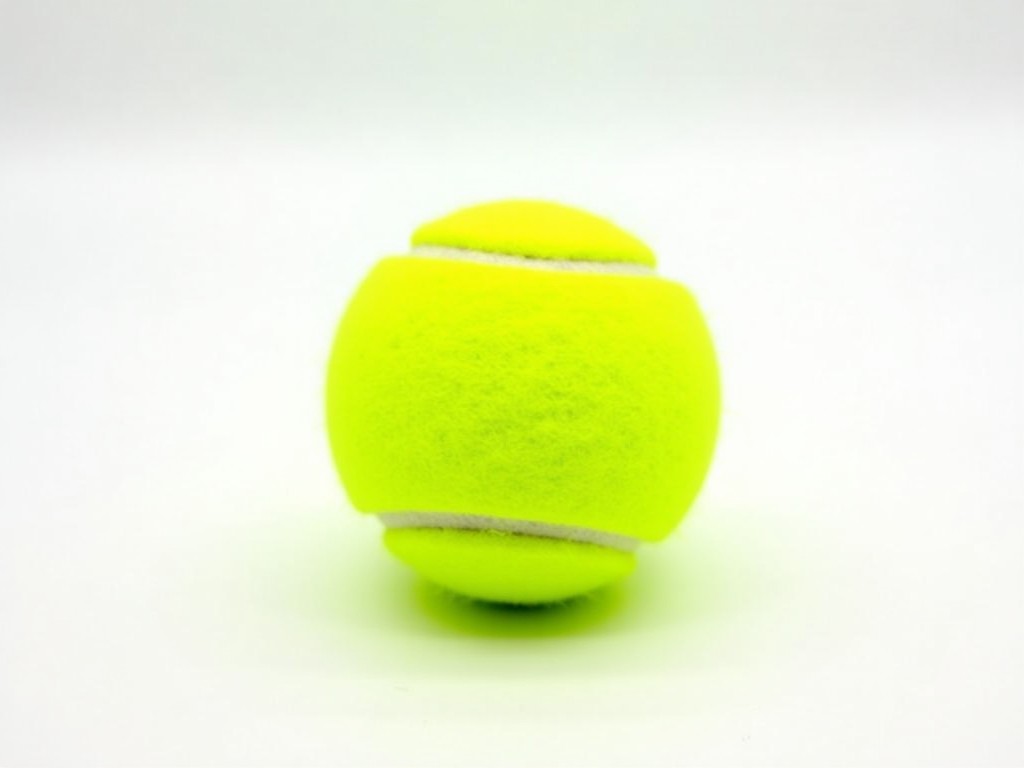
Buy Beach Tennis Balls Wholesale
Beach tennis balls are engineered for play on sand courts where surface interaction differs from grass or hard courts. Their construction balances bounce, durability, and visibility under bright
Beach Tennis Balls – Wholesale Specifications
Beach tennis balls are engineered for play on sand courts where surface interaction differs from grass or hard courts. Their construction balances bounce, durability, and visibility under bright sunlight while meeting International Tennis Federation (ITF) beach tennis standards.
Core Construction
The core consists of a natural rubber compound molded to a precise spherical shape. Internal air pressure is set between 0.55 bar and 0.75 bar to produce a controlled bounce that compensates for sand’s energy absorption. Wall thickness uniformity is maintained within ±0.10 mm to avoid eccentric loading during impact.
Material Composition
The outer felt is a blended wool‑nylon fabric treated with UV stabilizers to resist fading and degradation from prolonged sun exposure. The felt density is approximately 1.8 g/cm³, providing adequate abrasion resistance against sand particles while retaining a soft feel for player comfort.
Performance Characteristics
Key measurable parameters are defined below to assist procurement engineers in evaluating suitability for specific court conditions.
- Diameter: 6.54 cm – 6.86 cm (ITF range)
- Weight: 56.0 g – 59.4 g
- Rebound height (drop from 2.5 m onto concrete): 135 cm – 147 cm
- Internal pressure: 0.55 bar – 0.75 bar
- Optical brightness (CIE Whiteness): ≥ 80
| Parameter | Typical Value | Tolerance | Test Method |
|---|---|---|---|
| Diameter | 6.70 cm | ± 0.08 cm | ISO 11404 |
| Weight | 57.5 g | ± 0.5 g | ASTM F1887 |
| Rebound Height | 141 cm | ± 4 cm | ITF Appendix II |
| Internal Pressure | 0.65 bar | ± 0.05 bar | ISO 8124‑1 |
Applications and Suitability
Sand courts increase ball‑surface friction and reduce rebound energy compared to harder surfaces. The slightly lower internal pressure and larger diameter of beach tennis balls offset this loss, delivering a playable bounce that feels consistent with standard tennis ball behavior on grass or clay. UV‑stabilized felt prevents premature whitening, maintaining visibility under reflective sand and bright sunlight.
Quality Assurance
Each production lot undergoes dimensional inspection using laser micrometers, weight verification on analytical balances, and pressure checks with calibrated gauges. Rebound testing is performed on three random samples per batch according to ITF Appendix II. Visual inspection detects felt imperfections, seam misalignment, or surface contamination before packaging.
Customization Options
- Felt color: standard optic yellow, high‑visibility orange, or custom Pantone matches
- Logo printing: water‑based ink screen printing up to two colors
- Core pressure adjustment: available in 0.10 bar increments within the ITF range
- Packaging: bulk cartons, shrink‑wrapped trays, or reusable plastic crates
Packaging and Logistics
Balls are packed in corrugated cardboard cartons with internal dividers to prevent movement during transit. Each carton holds 72 balls (3 dozen) and is sealed with moisture‑resistant tape. Palletized shipments include a polyethylene liner to protect against humidity, and each pallet is stretch‑wrapped for stability. Lead time for standard orders is typically 3‑4 weeks after receipt of artwork approval.
Frequently Asked Questions
Q: Can the ball diameter be customized outside the ITF range?
A: Custom diameters are possible for specialized training equipment but would not be eligible for official beach tennis competition.
Q: What information is required before a quotation can be issued?
A: Required details include desired quantity, felt color, logo artwork (vector format), pressure specification, and preferred packaging type.
Q: Which materials are available for the felt covering?
A: Standard offerings are a wool‑nylon blend; alternative synthetic blends with enhanced abrasion resistance are available upon request.
Q: How is quality inspected for bulk orders?
A: Each lot undergoes 100 % dimensional and weight sampling, plus random rebound and pressure tests per ISO/ASTM standards.
Q: What packaging options protect against moisture during sea freight?
A: Cartons can be lined with moisture‑barrier polyethylene bags and placed on pallets with a top‑cover sheet for added protection.
Request a Quote
To obtain a detailed quotation, provide your specifications via the contact form. Our technical team will respond with a formal proposal, including unit pricing, lead time, and sample availability.
Contact Us for Pricing


