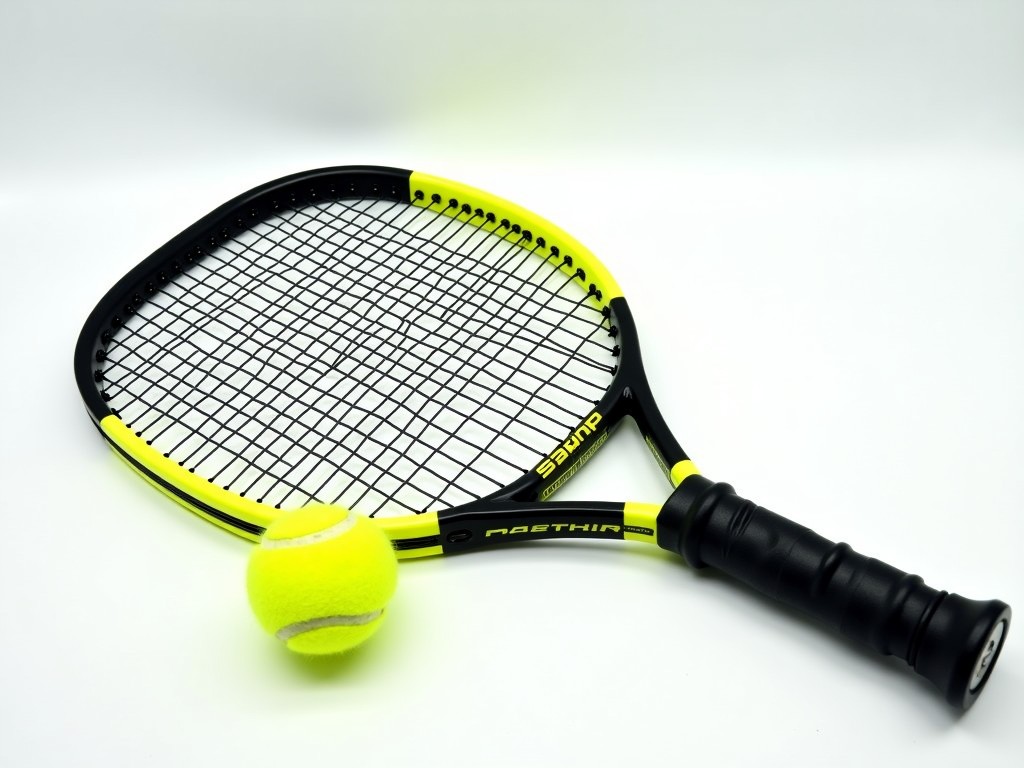
Custom Beach Tennis Racket And Ball Set Factory
We produce rackets and balls specifically engineered for beach tennis, where equipment must withstand sand abrasion, UV exposure, and frequent moisture while delivering consistent play
Custom Beach Tennis Racket and Ball Set Factory
We produce rackets and balls specifically engineered for beach tennis, where equipment must withstand sand abrasion, UV exposure, and frequent moisture while delivering consistent play characteristics. Our facility handles material selection, molding, stringing, and final inspection under controlled conditions to meet the technical demands of competitive and recreational players.
Product Overview
A standard beach tennis racket features a head size between 95 and 105 square inches, a length of 21 to 23 inches, and a strung weight ranging from 260 to 300 grams. The accompanying balls are pressurized to approximately 1.2–1.4 bar, with a diameter of 6.35 mm and a felt coating designed for sand resistance. These dimensions provide a balance of maneuverability and power suitable for the slower ball speed typical on sand surfaces.
Materials and Construction
Racket frames are commonly built from carbon fiber layups, aluminum alloys, or hybrid composites, each offering distinct stiffness and damping properties. Strings are selected from polyester, nylon, or natural gut variants, with gauges between 1.20 mm and 1.30 mm influencing tension retention and feel. Grips utilize synthetic leather or silicone overlays to maintain traction when wet. Balls consist of a rubber core wrapped in a wool‑nylon felt that is treated for UV stability and low water absorption.
| Component | Material Options | Typical Properties |
|---|---|---|
| Frame | Carbon fiber, Aluminum 6061, Glass‑fiber reinforced polymer | Stiffness 45–70 kN/mm, density 1.5–2.8 g/cm³ |
| Strings | Polyester, Nylon, Natural gut | Tension range 20–30 lb, elongation 2–5 % |
| Ball Core | Natural rubber, Synthetic rubber blend | Hardness 40–50 Shore A, rebound 70–80 % |
| Felt Cover | Wool‑nylon blend, UV‑stabilized acrylic | Abrasion resistance >500 cycles, water uptake <0.5 % |
Customization Options
Clients can adjust multiple parameters to match player preferences or brand identity. Each variable influences performance, so we provide guidance based on typical playing styles and environmental conditions.
- Head size: 90–110 in²
- Length: 19–24 in
- Strung weight: 240–320 g
- Balance point: head‑light to head‑heavy (±5 mm)
- Grip circumference: 4.0–4.75 in
- String tension: 18–28 lb
- Ball internal pressure: 1.0–1.6 bar
- Color schemes: solid, gradient, custom logos
Manufacturing Process
Frame production begins with computer‑cut prepreg sheets that are laid into a mold matching the desired head shape and layup schedule. The mold undergoes vacuum bagging and autoclave curing at 120–180 °C to achieve the target fiber volume fraction. After demolding, frames are machined for handle insertion, drilled for string holes, and painted or anodized as specified. Strings are tensioned on computerized machines to ±0.2 lb accuracy. Balls are formed by injection molding the core, followed by felt wrapping and steam curing to lock the cover. Final assembly pairs each racket with a set of three balls, then proceeds to inspection.
Quality Control and Testing
Every batch undergoes dimensional verification using calibrated calipers and coordinate measuring machines to ensure head width, length, and thickness stay within ±0.5 mm tolerances. Weight and balance are measured on precision scales, with acceptable deviation of ±2 g. String tension is checked after a 24‑hour settling period, and balls are subjected to a bounce test on a rigid surface, requiring a rebound height of 1.1–1.3 m when dropped from 2 m. Accelerated weathering exposes samples to UV‑B radiation and salt‑spray cycles to assess surface degradation.
| Test Parameter | Acceptance Criteria | Method |
|---|---|---|
| Frame Length | 21.0–23.0 in ±0.5 mm | Caliper measurement |
| Strung Weight | 260–300 g ±2 g | Analytical balance |
| String Tension | Target ±0.2 lb after 24 h | Load cell tension meter |
| Ball Rebound | 1.1–1.3 m drop from 2 m | Vertical drop test |
| UV Resistance | ΔE <5 after 500 h UV‑B | Spectrophotometer |
Applications and Use Cases
Beach tennis courts expose equipment to abrasive sand, high humidity, and direct sunlight, which can accelerate wear on standard rackets and balls. Our designs prioritize sand‑ resistant coatings, corrosion‑proof frame treatments, and UV‑stable felt to prolong service life. The resulting gear maintains consistent feel and power transfer, allowing players to focus on technique rather than equipment failure during tournaments or recreational play.
FAQ
Can dimensions be customized beyond the standard ranges?
Yes, we can accommodate special requests such as extended lengths for junior‑to‑adult transition models or oversized heads for power‑oriented players, subject to structural validation.
What information is required before quotation?
We need the desired head size, length, target weight, balance preference, grip size, string type and tension, ball pressure, and any cosmetic details such as colors or logos.
What materials are available for the frame?
Standard options include carbon fiber prepreg, 6061‑T6 aluminum alloy, and glass‑fiber reinforced polymer; alternative alloys or hybrid layups can be quoted upon request.
How is quality inspected?
Each unit undergoes dimensional, weight, balance, string tension, and ball bounce tests as outlined in our QC table, with statistical process control tracking for batch consistency.
What packaging methods are available?
We provide individual racket boxes with internal foam dividers, ball cans with pressure‑maintaining seals, and palletized cartons for bulk shipments, all designed to protect against impact and moisture.
Get a Quote
To discuss your specific requirements or request a sample, please reach out via our contact form. Our engineering team will review your specifications and provide a detailed technical proposal.
Contact Us


