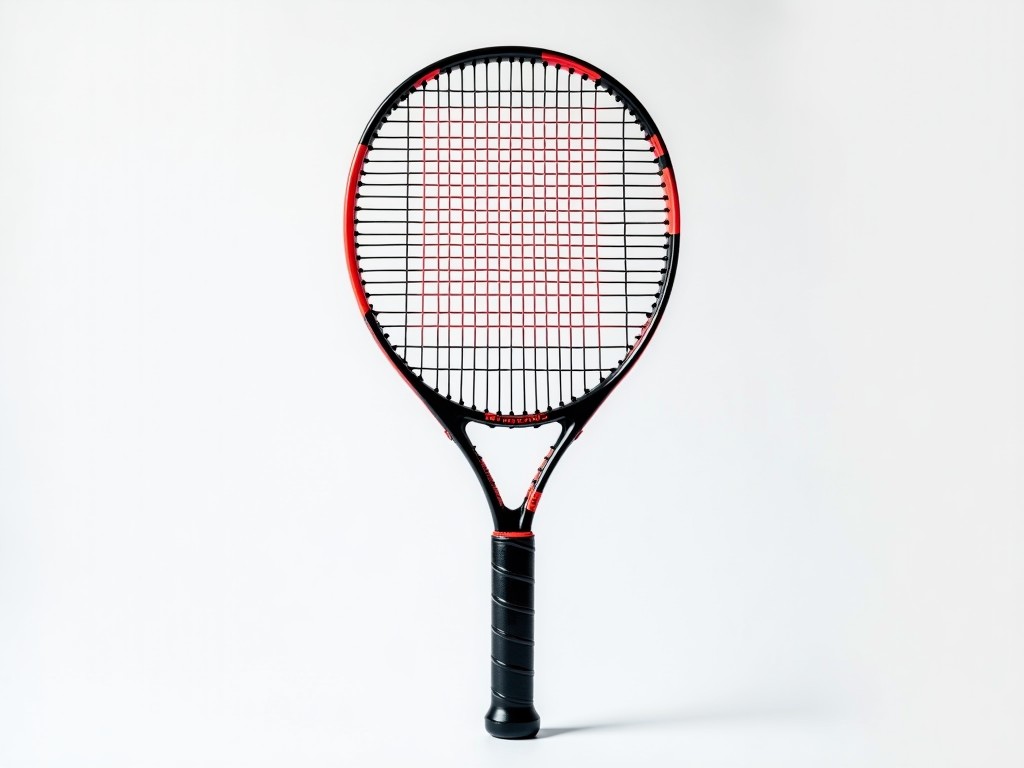
Custom Beach Tennis Racket Manufacturer
Beach tennis exposes equipment to abrasive sand, salt spray, and rapid temperature swings, which influence both surface wear and structural fatigue. Designers therefore prioritize corrosion‑resistant
Custom Beach Tennis Racket Manufacturer
Beach tennis exposes equipment to abrasive sand, salt spray, and rapid temperature swings, which influence both surface wear and structural fatigue. Designers therefore prioritize corrosion‑resistant composites and geometries that minimize sand accumulation while preserving swing speed.
Material Selection
The frame typically uses a carbon‑fiber reinforced polymer with a fiber volume fraction of 55‑60 %, providing a tensile modulus around 70 GPa while keeping density below 1.5 g/cm³. This combination yields a high stiffness‑to‑weight ratio essential for quick recoil after impact.
- Surface layer: UV‑stable polyurethan e coating with abrasion resistance > 15 mg loss per 1000 cycles (ASTM D4060)
- Core foam: closed‑cell EVA with density 0.08 g/cm³, offering vibration damping of 0.45 ms⁻¹
- Grip overlay: thermoplastic elastomer with Shore A hardness 85, providing slip resistance even when wet
Frame Geometry Customization
Beach tennis rackets benefit from a head‑heavy balance (≈ 340 mm from butt) to generate power on overhead smashes, while a tapered shaft reduces torsional twist during lateral slices. Adjustable throat width allows fine‑tuning of sweet‑spot location.
| Parameter | Adjustable Range | Typical Increment |
|---|---|---|
| Head width (mm) | 260‑300 | 5 mm |
| Shaft length (mm) | 560‑620 | 10 mm |
| Weight (g) | 340‑380 | 5 g |
| Balance point (mm from butt) | 320‑360 | 5 mm |
Stringing Options
String material influences both feel and durability under sandy conditions. Co‑polyester strings with a diameter of 1.25 mm retain tension better than nylon when exposed to abrasive particles, while a textured coating improves spin generation.
- Main strings: 1.25 mm co‑polyester, tension range 22‑28 lb
- Cross strings: 1.20 mm nylon, tension range 20‑26 lb
- Hybrid setups available upon request
Manufacturing Process
Frames are produced via filament winding followed by compression molding at 180 °C under 150 bar pressure, ensuring consistent fiber alignment and low void content (< 0.5 %). Post‑cure machining achieves tolerance of ±0.2 mm on critical dimensions.
Quality Inspection
Each racket undergoes three‑point bend testing to verify flexural stiffness (≥ 12 Nm/deg) and impact resonance analysis to detect delamination. Surface finish is inspected with a profilometer to ensure roughness Ra < 0.8 µm, which limits sand adhesion.
- Dimensional check: length, width, thickness, grip circumference
- Weight verification: ±2 g tolerance
- Visual inspection: coating uniformity, edge integrity
Applications
Beyond recreational play, these rackets serve coastal resorts that require equipment resistant to salt‑air corrosion, reducing replacement frequency and maintenance costs. Clubs offering beach tennis programs benefit from consistent performance across varying humidity levels, which supports player development and tournament readiness.
FAQ
Can dimensions be customized? Yes, head width, shaft length, weight, and balance point can be adjusted within the ranges shown in the geometry table.
What information is required before quotation? Provide desired weight range, preferred string tension, grip size, and any cosmetic preferences such as color or logo placement.
What materials are available? Standard carbon‑fiber/EVA core with polyurethane coating; alternative basalt‑fiber or titanium‑reinforced options are available upon request.
How is quality inspected? See the Quality Inspection section for detailed test procedures and acceptance criteria.
What packaging methods are available? Rackets are packed in individual polyethylene sleeves, placed in corrugated cartons with corner protectors, and sealed with moisture‑barrier film for export.
What is the typical production lead time? Lead time ranges from 3‑5 weeks depending on order complexity and current capacity; exact timing is confirmed after quotation.


