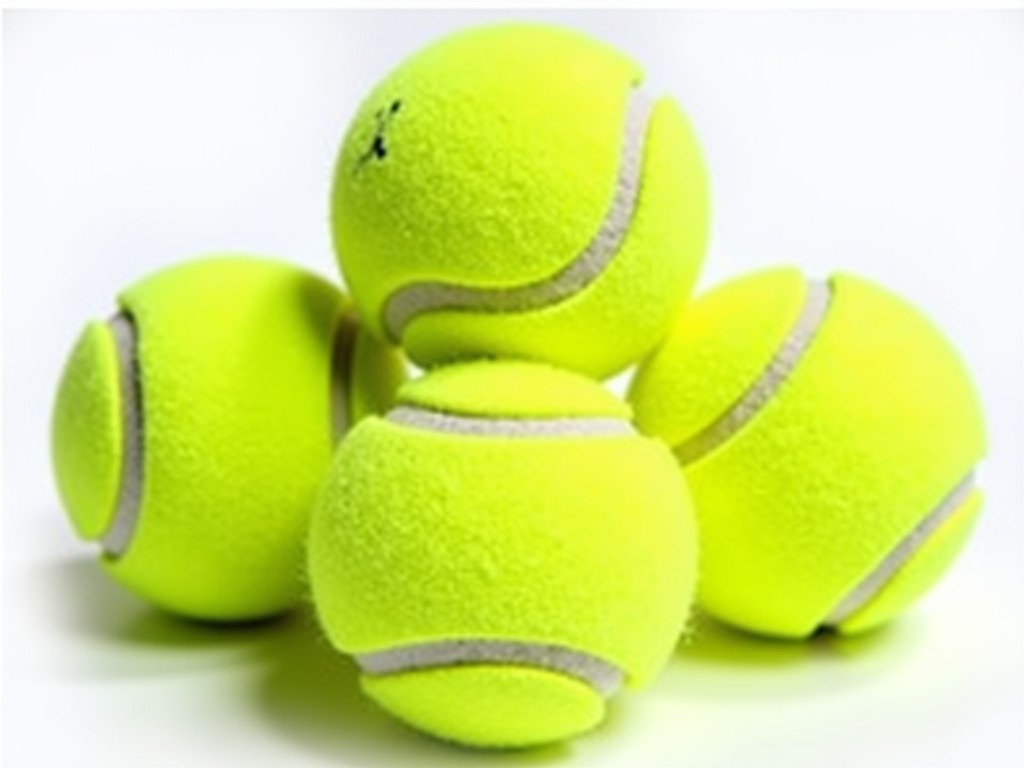
Direct Factory Penn Beach Tennis Balls Supplier
Penn Beach tennis balls consist of a pressurized rubber core surrounded by a woven nylon‑felt cover. The core diameter is 6.54 mm with a tolerance of ±0.02 mm, and the internal gas pressure is
Direct Factory Penn Beach Tennis Balls Supplier
Penn Beach tennis balls consist of a pressurized rubber core surrounded by a woven nylon‑felt cover. The core diameter is 6.54 mm with a tolerance of ±0.02 mm, and the internal gas pressure is maintained at 0.86 bar (±0.03 bar) at 20 °C. The felt cover adds approximately 2.0 g of mass per ball and is constructed from 58 % nylon and 42 % wool blend yarns with a linear density of 180 tex.
Core Construction Details
The rubber core is formulated from natural cis‑1,4‑polyisoprene with a Shore A hardness of 45 ± 3. Vulcanization is performed at 165 °C for 20 minutes to achieve a tensile strength of 12 MPa and an elongation at break of 450 %. The core is molded in a two‑piece compression mold, then cooled to ambient temperature before pressure filling.
After molding, each core undergoes a helium leak test; acceptable leak rate is less than 1 × 10⁻⁸ mbar·L/s. The cores are then pressurized with a nitrogen‑methane mixture to the target pressure and sealed with a thin rubber plug.
Performance Characteristics
- Official bounce height (ASTM F1887) – 135 cm to 147 cm when dropped from 254 cm onto a concrete surface.
- Weight – 56.0 g to 59.4 g (ITF specification).
- Diameter – 6.54 cm to 6.86 cm.
- Felt wear resistance – measured by Taber abrasion test, loss ≤ 15 mg after 500 cycles.
These values are typical for production lots; actual measurements are recorded per batch and supplied with the certificate of conformance.
Manufacturing Process Overview
1. Rubber compounding – raw materials weighed to ±0.1 % and mixed in a Banbury mixer for 5 minutes.
2. Core molding – compression molding at 165 °C, 150 bar pressure, 20 min cure.
3. Pressure filling – cores placed in a high‑pressure chamber, filled to 0.86 bar, sealed.
4. Felt wrapping – nylon‑wool felt cut to 2.5 mm width, wound under 0.5 N tension, then steamed at 110 °C for 30 seconds to set the nap.
5. Final inspection – each ball is weighed, measured for diameter, and bounce tested before packaging.
Quality Inspection Protocol
| Inspection Item | Method | Acceptance Criteria |
|---|---|---|
| Weight | Analytical balance (0.01 g) | 56.0 g – 59.4 g |
| Diameter | Caliper (±0.01 mm) | 6.54 cm – 6.86 cm |
| Internal Pressure | Pressure transducer (±0.01 bar) | 0.86 bar ± 0.03 bar |
| Bounce Height | ASTM F1887 drop test | 135 cm – 147 cm |
| Felt Mass | Gravimetric after felt removal | 2.0 g ± 0.1 g |
All inspection data are retained for a minimum of three years and made available to customers upon request.
Applications in Sports Facilities
Penn Beach tennis balls are specified for outdoor hard‑court surfaces where UV resistance and consistent bounce are critical. The felt blend provides reduced water absorption, maintaining playability after light rain.
They are also used in high‑performance training centers that require a ball with low variation in rebound energy (< 2 % standard deviation) to enable repeatable stroke mechanics analysis.
In addition, the balls meet the ITF Type 2 classification, making them suitable for sanctioned tournament play on concrete or asphalt courts.
Customization Options
- Core pressure adjustable from 0.70 bar to 1.00 bar in 0.02 bar increments.
- Felt composition ratio (nylon/wool) variable between 50/50 and 70/30.
- Custom logos printed on the felt using water‑based inks, resolution up to 300 dpi.
- Packaging quantities: 3‑ball cans, 4‑ball boxes, or bulk bags of 72 balls.
Customization requests require a minimum order quantity of 500 balls and are subject to engineering feasibility review.
Packaging and Logistics
Balls are packed in recyclable PET cans with a pressure‑retaining foil liner to prevent gas loss during transit. Each can holds three balls and is sealed with a tamper‑evident lid.
For bulk shipments, balls are placed in corrugated cardboard boxes with internal dividers; each box holds 72 balls and is rated for a stacking load of 250 kg.
Export containers are fitted with desiccant packs (silica gel, 5 g per box) to maintain relative humidity below 50 % during ocean transit.
Frequently Asked Questions
- Can the internal pressure be customized? Yes, pressure can be set between 0.70 bar and 1.00 bar according to customer specifications.
- What information is needed for a quotation? Required details include desired pressure, felt blend ratio, logo artwork (if any), quantity, and delivery destination.
- Which materials are available for the felt? Standard blend is 58 % nylon / 42 % wool; alternative ratios and 100 % nylon felt are offered upon request.
- How is quality controlled? Each batch undergoes weight, diameter, pressure, bounce, and felt mass inspections as outlined in the quality table.
- What packaging methods are available? Options are 3‑ball PET cans, 4‑ball cardboard boxes, or bulk bags of 72 balls; custom branding can be applied to any package.
- How are export shipments protected? Shipments include foil‑lined cans, desiccant packs, and shock‑absorbent palletizing to prevent pressure loss and moisture ingress.
- What is the typical production lead time? Standard lead time is 3‑4 weeks after receipt of approved artwork and payment; express options are available for an additional fee.
- How are samples arranged? Sample sets of 12 balls can be shipped via express courier; sample costs are credited toward the first order.
Get a Technical Quote
To receive a detailed specification sheet and pricing, please provide your application requirements, target quantity, and any customization needs. Our engineering team will review the request and respond within one business day.
Request Quote


