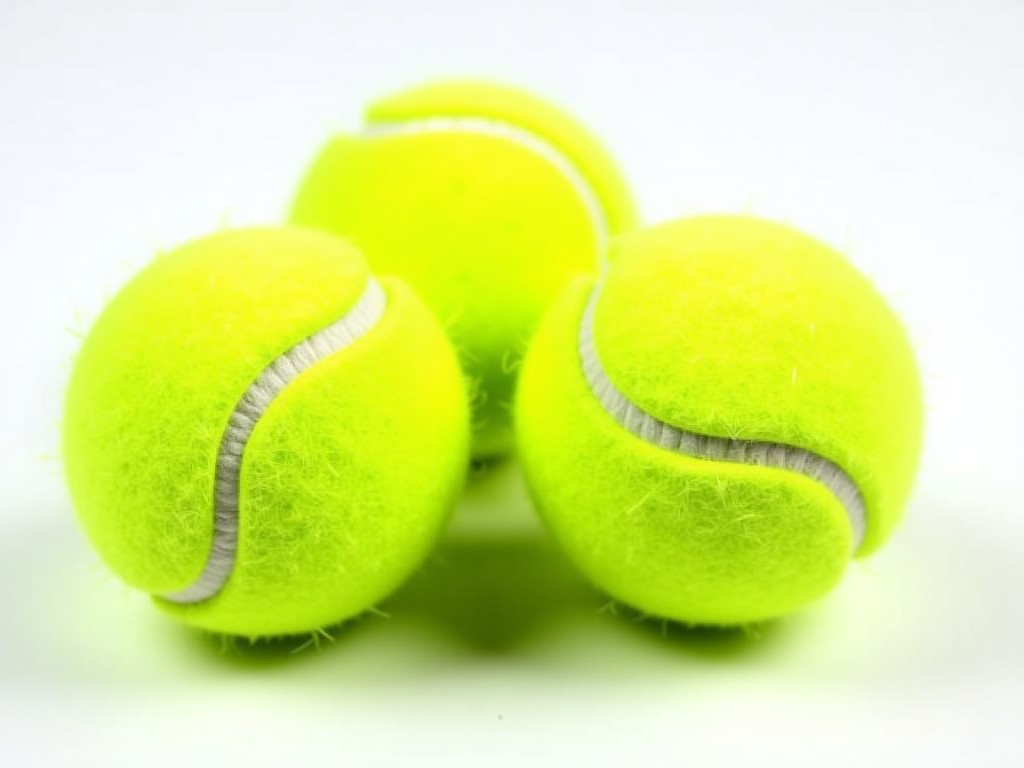
Wholesale Fit Beach Tennis Balls Supplier
Beach tennis balls must retain consistent bounce and surface integrity despite exposure to sand, salt, UV radiation, and repeated high‑impact strikes. The following sections detail the technical
Wholesale Fit Beach Tennis Balls – Supplier Overview
Beach tennis balls must retain consistent bounce and surface integrity despite exposure to sand, salt, UV radiation, and repeated high‑impact strikes. The following sections detail the technical attributes that enable reliable performance in these demanding conditions.
Technical Specifications
Key dimensional and physical parameters are controlled to ensure uniformity across large wholesale lots. Variations are kept within tight tolerances to meet competitive play standards.
| Parameter | Typical Value | Tolerance |
|---|---|---|
| Diameter | 63 mm | ±0.5 mm |
| Weight | 58 g | ±1 g |
| Internal Pressure | 0.68 bar (10 psi) | ±0.03 bar |
| Rebound Height (ASTM F1887) | 135 cm (from 200 cm drop) | ±5 cm |
| Cover Material | UV‑stabilized felt‑nylon blend | – |
| Core Material | Pressurized rubber compound | – |
Material Composition
The outer felt is engineered from a nylon‑polyester blend treated with UV inhibitors to resist fading and abrasion from sand particles. The core utilizes a high‑elasticity rubber formulation that maintains pressure stability over temperature ranges typical of outdoor play (‑10 °C to 45 °C).
Adhesive layers between cover and core are formulated for shear strength exceeding 0.4 MPa, preventing delamination under repeated impact cycles.
Manufacturing Process
Production begins with precision‑molded rubber cores that are cured under controlled heat and pressure to achieve target internal pressure. After cooling, cores are wrapped with the pre‑treated felt using a tension‑controlled winding system to ensure uniform surface density.
Each ball undergoes a final pressurization step and is inspected for roundness and seam integrity before moving to packaging. The process is designed for high repeatability, supporting lot sizes of 10 000 units or more with consistent quality.
Performance Characteristics
Bounce consistency is verified per ASTM F1887, with a coefficient of restitution maintained between 0.75 and 0.80 across production batches. Abrasion resistance is measured via Taber testing, showing less than 30 mg weight loss after 500 cycles under a 500 g load.
UV exposure testing (ASTM G154) demonstrates no measurable change in bounce or hardness after 500 hours of simulated sunlight, confirming suitability for prolonged outdoor use.
Applications
Beach tennis balls are selected for environments where standard pressurised balls would degrade rapidly due to sand infiltration and UV stress. Their construction supports play on sandy courts, coastal facilities, and recreational venues requiring durability without compromising feel.
- Professional beach tennis tournaments
- Club and resort outdoor courts
- School and community sports programs
- Promotional events and beach festivals
Quality Assurance
Inspection follows a statistically driven sampling plan (ISO 2859‑1) with AQL 0.65 for critical dimensions and AQL 1.0 for visual defects. Each lot is checked for pressure retention, seam integrity, and surface uniformity before release.
Test equipment includes calibrated pressure gauges, optical comparators for roundness, and Durometers for hardness verification. Records are retained for traceability and continuous improvement.
Customization Options
Buyers can specify alterations to suit branding or performance needs. Options include custom logo printing via sublimation, alternative felt colours, adjusted internal pressure for specific altitude conditions, and tailored packaging configurations.
Engineering support is available to validate that requested modifications remain within the performance envelope defined by the applicable standards.
Packaging & Logistics
Standard bulk packing utilizes corrugated cartons of 50 balls each, with interior polyethylene liners to resist moisture ingress. Cartons are sized for efficient palletization (standard 1 m × 1.2 m footprint) and include handling labels indicating stacking limits.
For export shipments, additional corner protection and stretch‑film wrapping are applied to safeguard against deformation during transit. Lead times are quoted per order volume and destination.
Frequently Asked Questions
Can dimensions be customized?
Diameter and weight can be adjusted within ±2 mm and ±2 g respectively, subject to requalification against bounce standards.
What information is required before quotation?
Required details include target quantity, desired pressure level, any branding or colour specifications, and preferred packaging format.
What materials are available for the cover?
Standard offering is a UV‑stabilized nylon‑polyester felt; alternative polyester‑only or blends with added antimicrobial treatment are available upon request.
How is quality inspected?
Each lot undergoes dimensional checks, pressure testing, rebound testing, and visual inspection per the sampling plan described above.
What is the typical production lead time?
Lead times range from 2 to 4 weeks for orders up to 50 000 units, depending on current capacity and customization complexity.
Get in Touch
For technical data sheets, sample requests, or to discuss wholesale pricing, please contact our sales team using the form below.
Submit Inquiry


