Wholesale Outdoor Paddle Ball Sets Factory
This product description focuses on the engineering characteristics that determine suitability for institutional, recreational, and commercial outdoor environments. Understanding material behavior,
Wholesale Outdoor Paddle Ball Sets
This product description focuses on the engineering characteristics that determine suitability for institutional, recreational, and commercial outdoor environments. Understanding material behavior, dimensional tolerances, and surface treatment helps procurement professionals assess long‑term performance and maintenance requirements.
Design and Construction
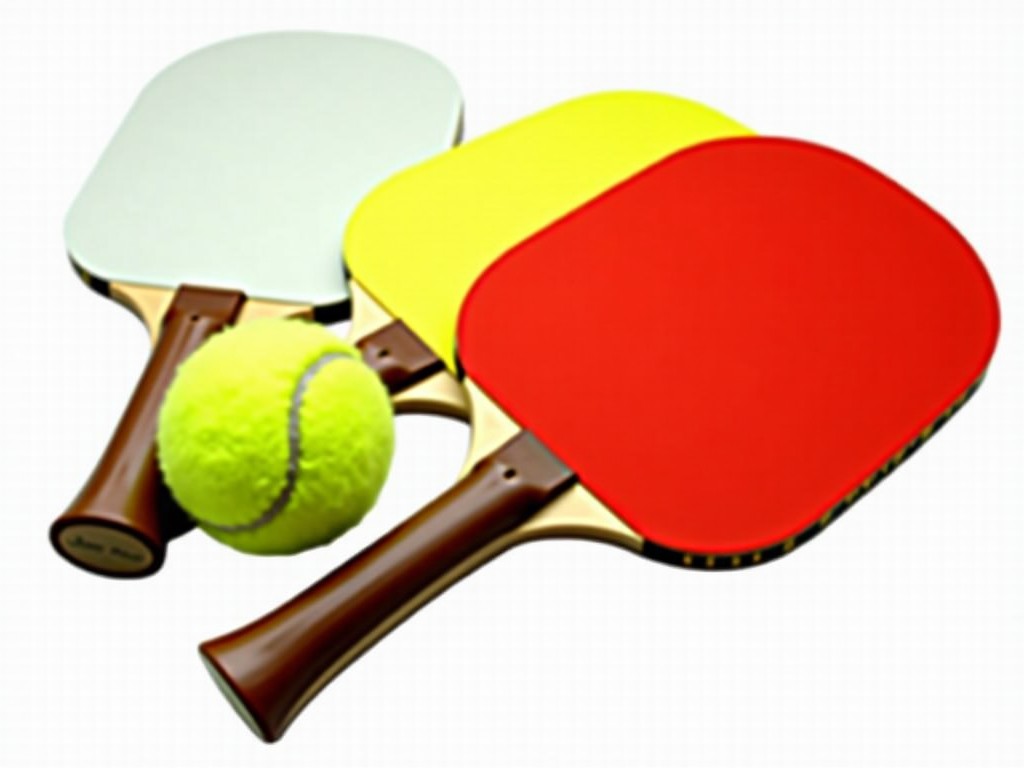
Each set consists of two paddles and a perforated ball. The paddle blade is molded from a single piece of high‑density polyethylene (HDPE) with a uniform thickness of 4 mm, providing a flexural modulus of approximately 1.2 GPa. The grip area incorporates a textured over‑mold of thermoplastic rubber (TPR) with a Shore A hardness of 85 to improve handling under wet conditions.
The ball is manufactured from a low‑density polyethylene (LDPE) core reinforced with a radial rib pattern that yields a nominal rebound coefficient of 0.55 when dropped from a height of 1.5 m onto a concrete surface. The outer shell thickness averages 2.3 mm, offering resistance to UV‑induced embrittlement for at least 2 000 hours of accelerated weathering per ASTM G154.
Material Options
- Paddle blade: HDPE (density 0.94‑0.97 g/cm³) – optional additive package for UV stabilization (up to 5 % hindered amine light stabilizer).
- Grip over‑mold: TPR (shore A 80‑90) – available in custom colors via pigment masterbatch.
- Ball core: LDPE (density 0.91‑0.94 g/cm³) – can be blended with up to 10 % recycled content without affecting rebound specifications.
- Ball shell: LDPE with optional anti‑static additive (surface resistivity <10⁹ Ω·sq).
Dimensional Specifications
| Parameter | Typical Value | Adjustable Range |
|---|---|---|
| Paddle overall length | 380 mm | 350‑420 mm |
| Blade width | 190 mm | 170‑210 mm |
| Grip diameter | 32 mm | 28‑36 mm |
| Ball diameter | 74 mm | 70‑78 mm |
| Weight (paddle + ball) | 210 g per paddle, 45 g per ball | ±10 % |
Customization Options
- Pad printing or silk‑screen logos on paddle blade (max area 80 × 30 mm).
- Custom color matching for grip and ball shell using Pantone references.
- Optional weighted insert in paddle handle (up to 20 g) to alter swing dynamics.
- Alternative ball surface patterns (dimpled, hexagonal) for varied flight characteristics.
Applications in Institutional and Commercial Settings
Outdoor paddle ball sets are frequently selected for school physical‑education programs because the low‑impact ball reduces injury risk while still developing hand‑eye coordination. The UV‑stabilized materials maintain mechanical properties after prolonged exposure to sunlight, which is essential for installations in open‑air courtyards or poolside areas where equipment remains unattended for extended periods.
In commercial recreation facilities such as resorts and campgrounds, the sets are valued for their resistance to salt‑air corrosion and ease of cleaning. The smooth, non‑porous HDPE surface can be wiped down with mild detergents without absorbing contaminants, supporting hygiene standards required for shared‑use equipment.
Quality Control Philosophy
Dimensional verification is performed on a coordinate‑measuring machine (CMM) with a tolerance of ±0.2 mm for critical features such as blade thickness and grip diameter. Each batch undergoes a random sampling plan (ANSI/ASQ Z1.4) where 5 % of units are tested for rebound consistency using a calibrated drop‑tower apparatus.
Material traceability is maintained through batch numbers linked to resin supplier certificates of analysis. Visual inspection for surface defects (scratches, flash, discoloration) is conducted under 500 lux illumination, and any unit exceeding a defect size of 0.5 mm is segregated for rework or scrap.
Packaging and Shipping
Standard packaging consists of a corrugated cardboard box (single wall, 150 gsm) with internal dividers that prevent paddle‑to‑paddle contact. Each box holds 12 sets (24 paddles, 12 balls) and is sealed with pressure‑sensitive tape. The gross weight per box is approximately 9 kg, allowing efficient palletization at 48 boxes per pallet (≈ 430 kg).
For export shipments, boxes are placed on heat‑treated wooden pallets and secured with PET strapping. A moisture‑barrier liner (LDPE film, 50 µm) is added when destination humidity exceeds 70 % RH to mitigate potential water absorption during transit.
Lead Time and Sample Arrangement
Production lead time for a standard order of 500 sets is typically 18‑22 working days after receipt of approved artwork and material confirmation. This duration includes tooling preparation (if custom logos are required), injection molding, assembly, and final inspection.
Samples can be dispatched via express courier within 5‑7 working days upon request. Sample costs are credited against the first production order, provided the order meets the minimum quantity of 200 sets.
Frequently Asked Questions
Can paddle dimensions be altered to suit specific age groups?
Yes, blade length and width can be adjusted within the ranges shown in the dimensional table. Adjustments outside these ranges would require new mold tooling and are evaluated case‑by‑case.
What information is needed to receive a quotation?
Required details include order quantity, desired paddle and ball colors, logo artwork (vector format preferred), any custom dimensional changes, and preferred delivery terms (FOB, CIF, etc.).
Which materials are available for the grip over‑mold?
Standard grip material is thermoplastic rubber (TPR) with Shore A 85. Alternative grades ranging from Shore A 70 to 95 are available upon request, as well as silicone‑based compounds for enhanced temperature resistance.
How is product quality verified before shipment?
Each lot undergoes dimensional CMM checks, rebound testing, and visual inspection as outlined in the quality control section. A final audit report is attached to the shipping documentation.
What packaging options exist for large‑volume orders?
Besides the standard 12‑set box, we offer bulk‑pack configurations of 24 sets per master carton and pallet‑ized shrink‑wrapped trays for automated handling. Custom packaging inserts can be designed to meet specific warehouse racking requirements.
Next Steps
To discuss technical specifications, request a formal quotation, or arrange sample evaluation, please contact our sales engineering team using the inquiry form below. Providing the details listed in the FAQ will expedite the response.
Send Inquiry


