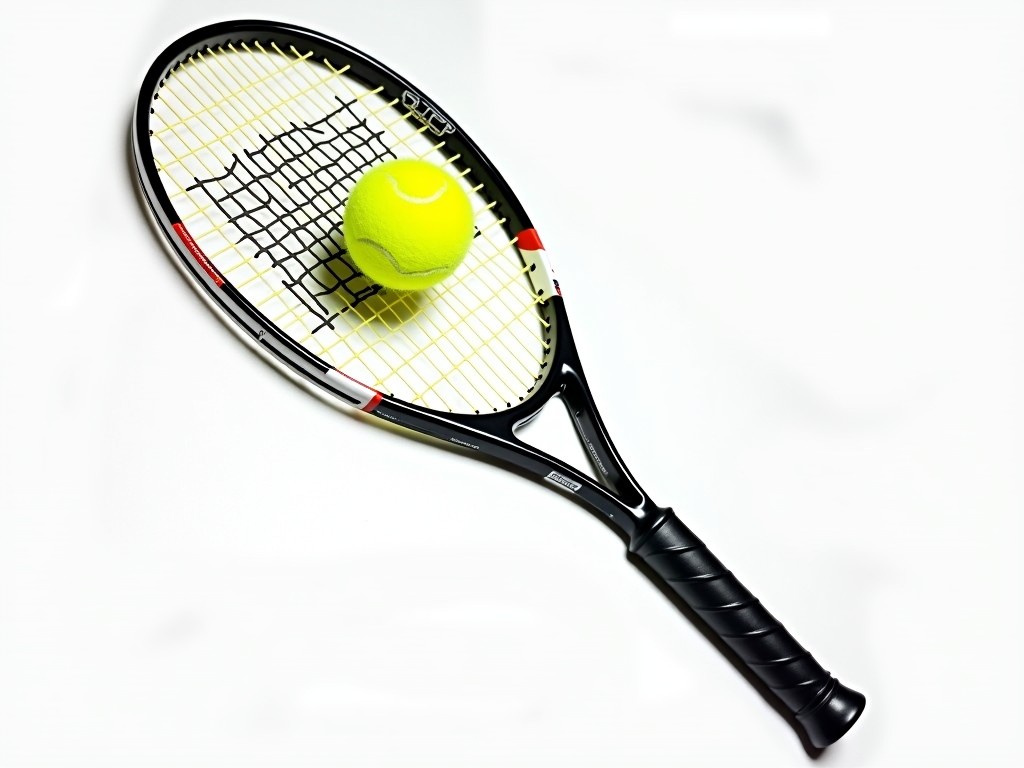
Wholesale Sandever Beach Tennis Rackets Supplier
Sand ever beach tennis rackets are engineered for play on loose‑granule surfaces where impact energy dissipates quickly and ball bounce is low. The design prioritizes a high strength‑to‑weight ratio
Wholesale Sand Ever Beach Tennis Rackets Supplier
Sand ever beach tennis rackets are engineered for play on loose‑granule surfaces where impact energy dissipates quickly and ball bounce is low. The design prioritizes a high strength‑to‑weight ratio so athletes can generate swing speed without excessive forearm strain.
Frame Construction and Material Selection
The racket frame uses a unidirectional carbon‑fiber layup with a 0°/±45° orientation to achieve a tensile modulus of approximately 230 GPa along the longitudinal axis. A thin layer of basalt fiber is woven into the outer ply to increase abrasion resistance against sand particles.
The core consists of a closed‑cell polypropylene foam with a density of 45 kg/m³, providing a specific stiffness that dampens vibration frequencies between 150 Hz and 250 Hz. This combination yields a measured natural frequency of the assembled racket around 180 Hz, which aligns with the typical impact pulse duration in beach tennis.
Dimensional Specifications
| Parameter | Typical Value | Adjustable Range |
|---|---|---|
| Overall Length | 685 mm | 660 mm – 710 mm |
| Head Width | 260 mm | 240 mm – 280 mm |
| Grip Circumference | 102 mm | 95 mm – 110 mm |
| Strung Weight | 285 g | 260 g – 310 g |
| Balance Point (from butt) | 320 mm | 300 mm – 340 mm |
Performance Characteristics Relevant to Beach Tennis
Impact testing shows a coefficient of restitution (COR) of 0.78 when striking a standard low‑compression beach tennis ball at 25 m/s, indicating sufficient energy return for controlled placement without excessive rebound.
Torsional rigidity, measured as twist angle under a 5 Nm torque applied at the throat, averages 2.3°, which limits frame deformation during off‑center hits and maintains directional stability.
Swing weight, calculated from mass distribution, falls between 260 kg·cm² and 290 kg·cm² depending on grip size, providing a maneuverable feel suitable for rapid volley exchanges on soft surfaces.
Typical Applications in Beach Tennis Facilities
- Coastal clubs where courts are sand‑filled and require rackets that resist granule intrusion into the string bed.
- Tour‑level provisional courts that host international tournaments; the rackets meet ITF beach tennis equipment regulations for frame length and string pattern.
- Training centers focusing on junior development; lighter swing weight options reduce shoulder load for athletes under 16 years.
Customization Options
- Frame layup adjustments: increase carbon‑fiber layer thickness by up to 20 % for higher stiffness, or add a damping ply for reduced vibration.
- Grip shape: rectangular, octagonal, or ergonomic contour with circumference options from 95 mm to 110 mm.
- String pattern: standard 16×19, open 14×18 for enhanced spin, or dense 18×20 for durability.
- Cosmetic finish: matte UV‑clear coat, sand‑texture paint, or custom logo laser‑etched on the throat.
Quality Control and Testing Protocol
Each batch undergoes incoming material verification: carbon‑fiber areal weight measured within ±2 % of target, foam density checked via ASTM D3575, and basalt fiber content confirmed by burn test.
Dimensional inspection uses a coordinate measuring machine (CMM) with a repeatability of 0.02 mm; critical features such as throat width and grip length must stay within ±0.5 mm of the approved drawing.
Dynamic performance is validated on a drop‑weight impact rig; COR and rebound angle are recorded for ten impacts per racket, with acceptance limits of COR ≥ 0.75 and angle deviation ≤ 5°. Final visual inspection checks for surface delamination, resin voids, and paint adhesion using cross‑hatch tape test (ASTM D3359).
Packaging and Logistics
Rackets are placed in individual low‑density polyethylene sleeves with anti‑static lining to prevent surface abrasion during transit.
Sleeves are stacked in corrugated cardboard cartons rated for 30 kg bursting strength; each carton holds ten units and includes corner protectors and moisture‑absorbing sachets.
Palletized shipments conform to ISPM‑15 standards; standard pallet dimensions are 1.1 m × 1.1 m with a maximum load of 800 kg, enabling efficient containerization for overseas distribution.
Frequently Asked Questions
- Can dimensions be customized? Yes, length, head width, and grip circumference can be adjusted within the ranges shown in the specification table; tooling changes are required for deviations beyond ±5 %.
- What information is needed before quotation? Please provide desired quantity, target weight or balance point, preferred grip size, string pattern, and any cosmetic requirements such as color or logo placement.
- Which materials are available for the frame? Standard layup uses high‑modulus carbon fiber with optional basalt or glass fiber reinforcement; alternative layups using aramid or hybrid fibers are available upon request.
- How is quality inspected? Incoming material checks, CMM dimensional verification, impact‑rig performance testing, and final visual inspection per the protocol described above.
- What packaging options are available? Individual PE sleeves, cardboard cartons of 5 or 10 units, and custom‑printed boxes with foam inserts can be arranged based on order volume.
- How are export shipments protected? Pallets are stretch‑wrapped, corner‑boarded, and fitted with humidity‑indicating cards; all shipments include a packing list and commercial invoice for customs clearance.
- What is the typical production lead time? For standard configurations, lead time is 3‑4 weeks after receipt of approved artwork and payment; custom layups may add 1‑2 weeks depending on tooling availability.
Get in Touch
To discuss your specific requirements, request a sample, or receive a detailed quotation, please use the contact form below.
Contact Our Sales Team


