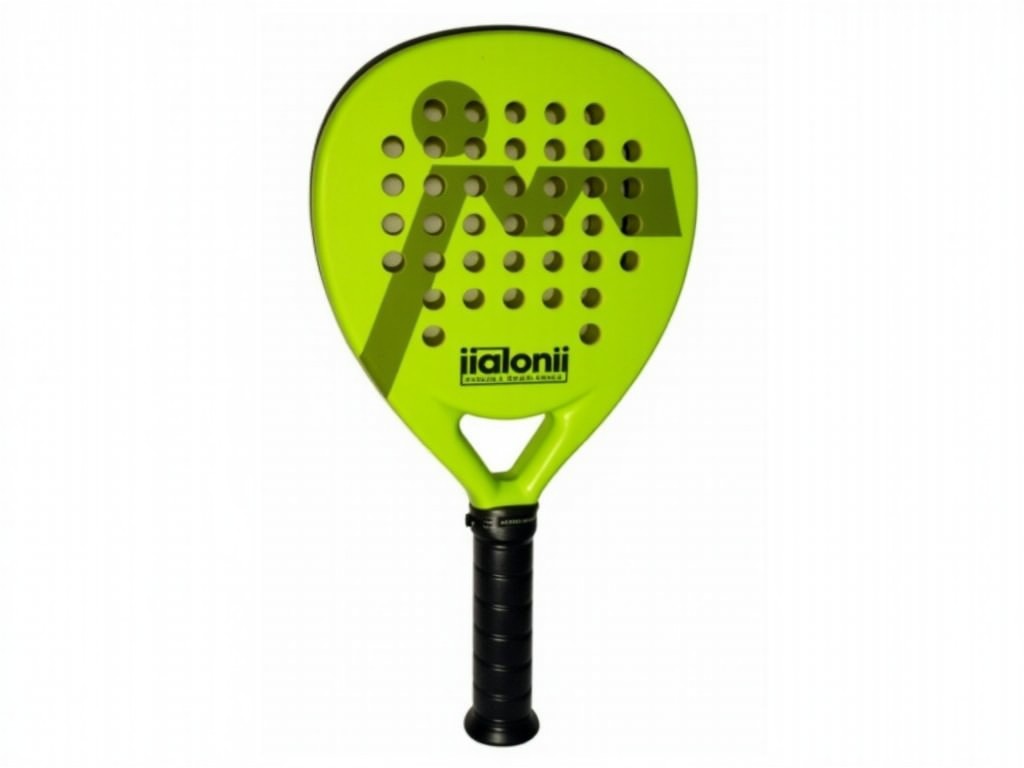
B2B Ianoni Padel Racket Wholesale
This section explains the technical baseline for Ianoni padel rackets supplied in wholesale volumes to distributors, OEMs, and sports‑equipment retailers. Understanding the core engineering
Ianoni Padel Racket – B2B Wholesale Overview
This section explains the technical baseline for Ianoni padel rackets supplied in wholesale volumes to distributors, OEMs, and sports‑equipment retailers. Understanding the core engineering parameters helps buyers assess suitability for different player segments and predict long‑term performance consistency.
The racket frame utilizes a unidirectional carbon‑fiber layup combined with a low‑density epoxy resin system, resulting in a typical weight range of 340 g to 360 g for adult models. Weight distribution is controlled through precise placement of heavier carbon towels in the throat area, enabling a balance point that can be tuned between 260 mm and 280 mm from the handle tip.
Stiffness is measured as the flexural modulus of the frame, typically falling between 45 GPa and 55 GPa depending on the targeted play style. Higher stiffness values translate to greater power transfer, while lower values improve shock absorption and reduce vibration transmitted to the player’s arm.
The striking surface features a textured fiberglass‑reinforced polymer layer with a roughness average (Ra) of approximately 12 µm, designed to enhance ball grip and spin generation without compromising durability. Surface hardness is maintained around 80 Shore D to resist abrasion from court contact.
- Frame material: carbon‑fiber/epoxy composite (UD layers)
- Weight range: 340 g – 360 g (adult)
- Balance point: 260 mm – 280 mm from handle tip
- Flexural modulus: 45 GPa – 55 GPa
- Surface texture Ra: ~12 µm
- Surface hardness: ~80 Shore D
Manufacturing relies on computer‑controlled filament winding and precision mold closing to ensure repeatable fiber orientation and resin thickness. Tolerances on frame thickness are held within ±0.15 mm across production batches, which directly influences weight and stiffness uniformity.
| Specification | Ianoni Control | Ianoni Power | Ianoni Pro |
|---|---|---|---|
| Weight (g) | 350 | 360 | 345 |
| Balance point (mm from handle) | 275 | 260 | 280 |
| Flexural modulus (GPa) | 50 | 45 | 55 |
| Surface texture Ra (µm) | 12 | 12 | 12 |
| Recommended player level | Intermediate | Advanced | Competitive |
Quality control involves three primary checkpoints: weight verification (±2 g), balance measurement (±1 mm), and flexural modulus testing (±2 GPa). Each rackets also undergoes a surface‑integrity scan to detect delamination or resin voids before packaging.
Customization options are available for wholesale orders, including laser‑etched logos on the throat, grip size adjustments from 4 in to 4 ⅜ in, and custom color matching of the frame’s outer epoxy layer using Pantone references. Minimum order quantities for custom runs typically start at 500 units.
Packaging for bulk shipments uses a two‑layer system: each racket is first placed in a low‑density polyethylene sleeve (50 µm thickness) to protect against moisture, then packed into a corrugated cardboard carton with dimensions 38 cm × 20 cm × 5 cm per unit. Cartons are palletized with stretch‑film wrapping and corner boards to stabilize loads during transit.
Frequently Asked Questions
Can dimensions be customized? Yes, frame length, width, and throat geometry can be adjusted within the limits of the existing mold tooling; new molds require a separate tooling investment and lead time.
What information is required before quotation? Buyers should provide target weight range, preferred balance point, desired surface texture, order quantity, and any customization details such as logo artwork or grip size.
What materials are available for the frame? Standard offerings use carbon‑fiber/epoxy composites; alternative reinforcements such as basalt fiber or hybrid carbon‑glass can be quoted upon request.
How is quality inspected? Each batch undergoes weight, balance, and flexural modulus testing, followed by visual surface inspection; statistical process control charts are maintained for traceability.


