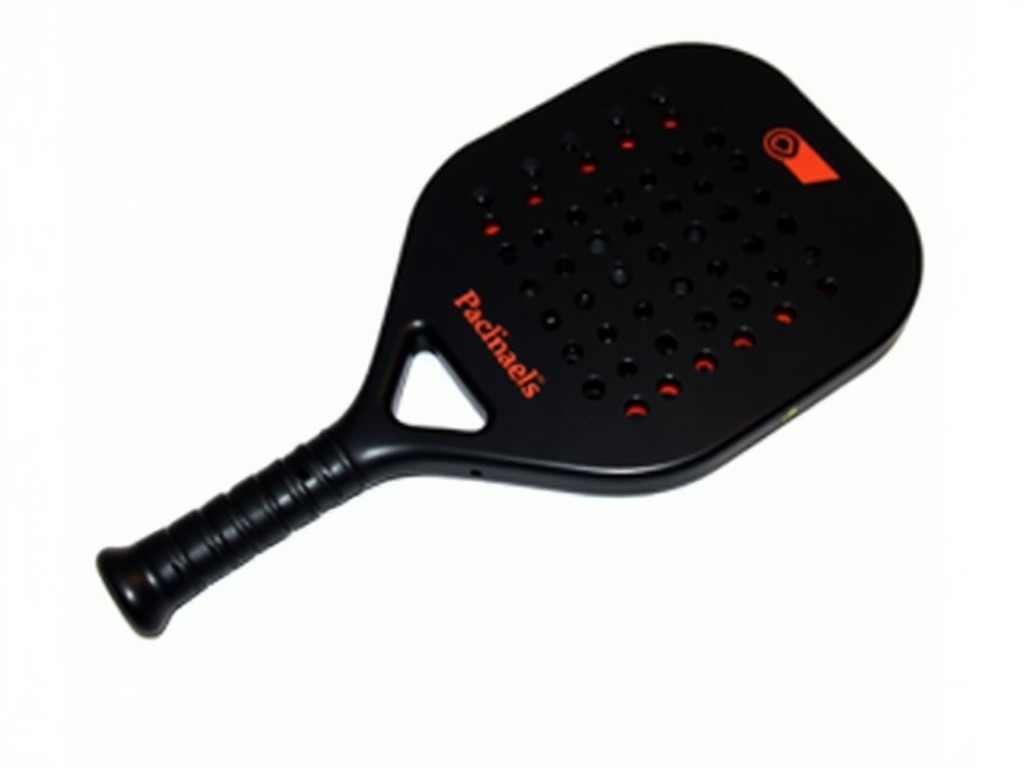
Wholesale Junior Padel Racket Manufacturer
Junior padel rackets serve players aged 8‑14 who require a lighter frame for quick wrist action and reduced fatigue during extended practice. The overall length is typically limited to 470 mm to suit
Wholesale Junior Padel Racket Manufacturer
Product Overview
Junior padel rackets serve players aged 8‑14 who require a lighter frame for quick wrist action and reduced fatigue during extended practice. The overall length is typically limited to 470 mm to suit shorter arm span, while the head width stays within 260 mm to keep the sweet spot manageable. Weight distribution is shifted toward the handle to improve control for developing technique.
Design & Engineering
The beam width ranges from 22 mm to 24 mm, providing a balance between stiffness for power and flexibility for comfort. A head‑heavy balance point around 260 mm from the butt cap helps generate swing speed without demanding excessive strength. Most models employ a 16 × 19 string pattern, offering adequate spin potential while maintaining durability for frequent use.
Reinforcement zones at the throat and shaft are calibrated to resist torsional twist during off‑center hits, a common occurrence in junior play. Vibration dampening is achieved through a tapered core that gradually transitions from a softer inner foam to a stiffer outer layer.
Material Selection
Frames are commonly constructed from a lay‑up of 70 % carbon fiber and 30 % fiberglass, delivering a tensile strength of approximately 4.2 GPa while keeping density around 1.55 g/cm³. The core utilizes low‑density EVA foam with a hardness of 25 Shore A, providing a rebound elasticity of about 55 %.
Grip sleeves consist of polyurethane‑based synthetic leather with a micro‑perforated surface, offering a friction coefficient of 0.45 µ and moisture absorption below 0.8 % after 30 minutes of play. All materials comply with REACH and are free from phthalates and heavy metals.
Performance Characteristics
| Parameter | Typical Range | Unit |
|---|---|---|
| Strung Weight | 260‑290 | g |
| Balance Point | 250‑270 | mm from butt cap |
| Swing Weight | 180‑210 | kg·cm² |
| Stiffness (RA) | 58‑62 | — |
| Head Size | 240‑260 | cm² |
Customization Options
- Length adjustable from 440 mm to 480 mm in 5 mm increments.
- Weight tuning via internal weighting plugs, range ±15 g.
- Grip sizes available: 0, 1, 2 (circumference 100‑106 mm).
- Frame color selection from standard Pantone set or custom matte/gloss finishes.
- Logo placement options: embossed on throat, printed on shaft, or woven into grip.
Applications
Clubs and academies adopt junior rackets to accelerate skill acquisition because the reduced swing weight lowers the physiological load on developing musculature, allowing longer training sessions without overuse strain. Schools integrating padel into physical education benefit from the standardized head size, which simplifies equipment management across mixed‑age groups.
Tournament organizers for under‑14 events require rackets that meet federation specifications on length and weight; providing a consistent product line eliminates the need for individual equipment checks and ensures fair competition conditions.
Manufacturing & Quality Control
Production begins with computer‑cut carbon‑fiber prepreg sheets placed in a temperature‑controlled mold. The lay‑up undergoes vacuum bagging at 0.8 bar before curing at 180 °C for 90 minutes, achieving a void content below 2 % as verified by ultrasonic inspection.
Post‑cure, each racket is weighed on a precision scale (±0.1 g) and measured for balance point using a laser‑based gantry system. Swing weight is determined via a pendulum method with a tolerance of ±3 kg·cm². Visual inspection checks for surface defects, resin richness, and fiber alignment under 10× magnification.
Random sampling of 5 % of each batch undergoes fatigue testing: 5 000 impact cycles at 30 J energy, after which stiffness deviation must remain under 4 %. Only units passing all criteria are cleared for packaging.
Packaging & Shipping
- Individual rackets are sleeved in low‑density polyethylene (LDPE) film, 50 µm thick, to guard against moisture and scratches.
- Sleeved units are placed in single‑wall corrugated cartons measuring 480 mm × 260 mm × 100 mm, with a burst strength of 275 kPa.
- Cartons are stacked on pallets (1 m × 1.2 m) with a maximum load of 800 kg, secured by stretch film and corner protectors.
- Export shipments include ISPM‑15 compliant wooden pallets and a desiccant pouch (5 g silica gel) per carton to control humidity during transit.
Lead Times
Standard production cycles for unbranded junior rackets run 18‑22 working days from receipt of approved artwork and material specifications. Sample approval typically adds 5‑7 days, during which pre‑production prototypes are sent for performance validation. Expedited options are available upon request, subject to tooling availability.
Frequently Asked Questions
Can dimensions be customized?
Yes, length, weight, grip size and balance point can be adjusted within the ranges outlined in the Customization Options section. Exact values are confirmed during the quoting stage.
What information is required before quotation?
We need the desired quantity, target weight range, preferred grip size, any logo artwork (vector format), and required delivery date. Optional details include color preference and special packaging requests.
What materials are available for the frame?
Standard offering is a carbon‑fiber/fiberglass hybrid lay‑up. Full carbon fiber or glass‑fiber only options are available as custom projects, with corresponding adjustments to weight and stiffness.
How is quality inspected?
Each racket undergoes weight, balance, swing weight and visual checks as described in the Manufacturing & Quality Control section. Random batches receive fatigue and impact testing to verify long‑term durability.
What packaging methods are available?
Standard packaging includes LDPE sleeve and corrugated carton. Additional options are double‑wall cartons, foam corner inserts, and customized printed boxes for retail presentation.
Ready to Discuss Your Requirements?
Contact our engineering team to receive a detailed quote, sample lead time, and technical data sheets tailored to your junior padel program.
Request a Quote


