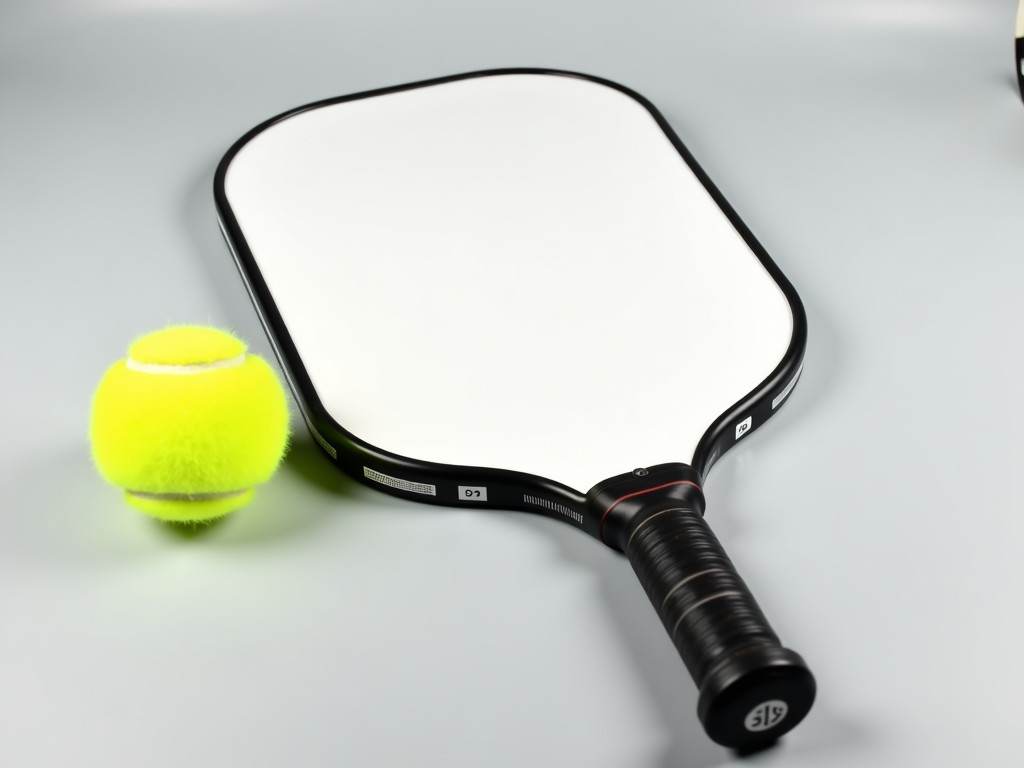
Best Price White Indoor Outdoor Pickleballs Factory
This page details the technical characteristics of white pickleballs manufactured for both indoor and outdoor use, focusing on measurable properties that affect play consistency and longevity. The
Best Price White Indoor Outdoor Pickleballs – Factory Direct Specifications
This page details the technical characteristics of white pickleballs manufactured for both indoor and outdoor use, focusing on measurable properties that affect play consistency and longevity.
Material Composition
The balls are produced from a proprietary blend of low‑density polyethylene (LDPE) and ethylene‑vinyl acetate (EVA) copolymers. LDPE provides impact resistance, while EVA contributes to the elastic recovery needed for consistent bounce. The ratio is adjusted to meet a Shore A hardness of 70 ± 5, which balances durability with feel.
Dimensional Standards and Weight
Each ball conforms to the USAPA/IFP specification of 74 mm ± 0.5 mm diameter and a weight of 22.1 g ± 0.5 g. Tolerances are held within ±0.2 mm for diameter and ±0.3 g for weight across production batches, verified by laser micrometry and analytical balances.
Durability and Bounce Characteristics
Bounce height is measured by dropping the ball from 200 mm onto a granite slab; the rebound must be between 120 mm and 140 mm. Indoor variants target the lower end of this range (120‑130 mm) to suit smoother surfaces, while outdoor variants aim for 130‑140 mm to compensate for rougher courts. Abrasion resistance is tested with a Taber wear index; after 500 cycles the mass loss does not exceed 0.8 %.
Indoor vs Outdoor Performance Comparison
| Property | Indoor Ball | Outdoor Ball |
|---|---|---|
| Hardness (Shore A) | 68‑72 | 70‑74 |
| Rebound (mm) | 120‑130 | 130‑140 |
| Abrasion Loss (mg/500 cycles) | 0.5‑0.7 | 0.7‑0.9 |
| UV Stabilizer Content | None | 0.2 % wt |
Manufacturing Process Overview
Raw pellets are dried, then fed into a twin‑screw extruder at 190 °C to produce a homogeneous melt. The melt is injected into spherical molds under 150 bar pressure, cooled with water‑jets to 25 °C, and ejected. Post‑molding, balls undergo a surface‑treatment step where a fine silica spray is applied to improve grip without altering bounce.
Quality Control and Testing
Each lot is sampled at a rate of 1 % for dimensional inspection, bounce testing, and hardness measurement. Statistical process control charts track mean and range; any batch exceeding ±2 σ triggers a full‑lot re‑evaluation. Final visual inspection checks for surface defects, flash, and color consistency under D65 lighting.
Customization Options
- Logo pad‑printing (up to 2 colors) on the equatorial line
- Alternative color pigments (subject to minimum order quantity)
- Adjustment of Shore A hardness within 65‑78 range
- Special UV stabilizer blends for extreme climates
- Custom packaging counts (12, 24, 48 per carton)
Packaging and Logistics
Balls are packed in low‑density polyethylene bags with desiccant packets, then placed in double‑wall corrugated cartons rated for 20 kg stacking load. Cartons are sealed with pressure‑sensitive tape and labeled with bar‑code and batch code. For export, cartons are palletized, stretch‑wrapped, and secured with corner boards to meet ISPM‑15 standards.
Lead Time and Ordering
Standard production lead time is 15 working days for orders up to 50 000 units, subject to material availability. Larger volumes or custom color runs may extend lead time to 20‑25 working days. Quotations require the following details: target quantity, desired hardness or bounce range, any branding specifications, and delivery incoterm.
Frequently Asked Questions
- Can the diameter be customized? Yes, within the USAPA/IFP tolerance range (±0.5 mm) upon request; tighter tolerances affect tooling cost.
- What information is needed for a quotation? Quantity, required bounce range, logo or color details, packaging preference, and delivery terms.
- How is batch traceability handled? Each carton receives a laser‑etched batch code linking to raw material certificates and test reports.
- What packaging options protect against moisture? Standard packs include silica gel; for high‑humidity climates we recommend vapor‑barrier liners inside the carton.
- Are samples available before production? Yes, we can send 3‑ball sample sets (unbranded) for approval; shipping costs are borne by the requester.
Next Steps
To receive a formal quote or request sample balls, please contact our sales engineering team. Provide your project specifications and we will respond with a detailed technical proposal within one business day.


