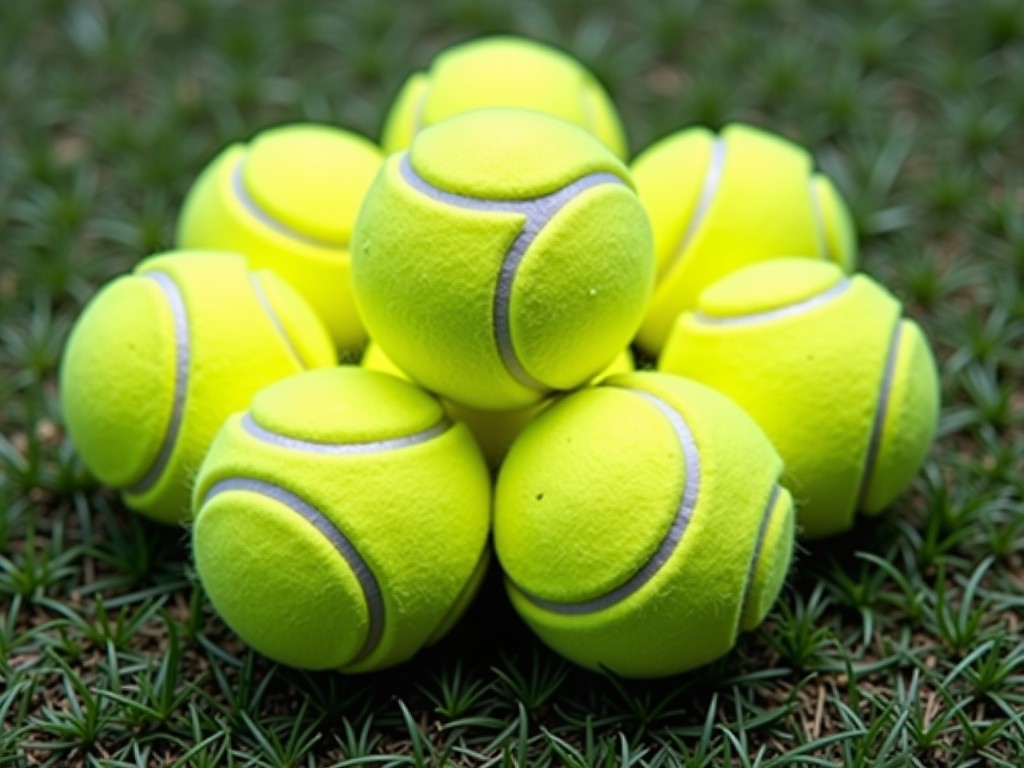
Bulk Outdoor Pickleball Balls For Sale
Outdoor pickleball balls must withstand repeated impact, UV exposure, and temperature swings while maintaining consistent bounce and flight characteristics. This section outlines the engineering
Bulk Outdoor Pickleball Balls for Sale
Outdoor pickleball balls must withstand repeated impact, UV exposure, and temperature swings while maintaining consistent bounce and flight characteristics. This section outlines the engineering factors that affect performance and longevity for bulk procurement.
Buyers evaluate balls based on measurable parameters such as diameter tolerance, weight variance, rebound height, and material hardness rather than subjective claims. The following details provide those quantitative specifications.
Product Overview
The balls are manufactured as seamless, two‑piece constructions using a polymeric core surrounded by a textured exterior shell. This design reduces seam‑related wear and provides uniform stress distribution during play.
Each ball is molded to a target diameter of 74 mm with a permissible tolerance of ±0.5 mm, ensuring compatibility with standard pickleball paddles and court specifications.
Material Composition
The core consists of a low‑density polyethylene (LDPE) blend selected for its impact absorption and creep resistance under cyclic loading. The shell uses a polypropylene (PP) copolymer modified with UV stabilizers to limit photodegradation.
Hardness measurements show a Shore D value of approximately 55 for the core and 70 for the shell, providing a balance between soft feel and surface durability.
Performance Characteristics
| Parameter | Typical Value | Test Method |
|---|---|---|
| Diameter | 74 mm ±0.5 mm | Caliper measurement (ASTM D6913) |
| Weight | 22 g ±0.5 g | Analytical balance (ISO 7211) |
| Rebound Height | 135 cm ±5 cm (drop from 200 cm) | ASTM F1887 |
| Core Hardness (Shore D) | 55 ±3 | ASTM D2240 |
| Shell Hardness (Shore D) | 70 ±3 | ASTM D2240 |
| UV Stability (color retention after 500 h) | ΔE < 5 | ISO 4892‑2 |
Durability & Environmental Resistance
Outdoor exposure subjects the balls to thermal cycling between ‑10 °C and 45 °C. The LDPE core retains elasticity within this range, showing less than 2 % permanent deformation after 1000 cycles in accelerated aging tests.
The PP shell incorporates hindered amine light stabilizers (HALS) that reduce surface cracking. After 1000 hours of UV‑B exposure, tensile strength remains above 85 % of the initial value.
Water absorption is limited to 0.1 % by weight after 24 h immersion, preventing weight gain that could alter flight dynamics.
Typical Applications
- Community recreation centers requiring high‑volume, low‑maintenance ball stocks for daily play.
- School athletic programs where consistent bounce reduces variability in skill drills.
- Commercial pickleball clubs that host tournaments and need uniform ball performance across multiple courts.
- Outdoor resorts and hotels offering recreational amenities to guests.
Customization Options
Buyers may request alternative color pigments that meet FDA‑compliant standards for outdoor use. Custom colors are achieved by adding masterbatch pellets during molding without affecting base polymer properties.
Surface texture can be adjusted from a standard orange‑peel finish to a smoother matte finish, which influences spin characteristics. Texture specifications are defined by Ra values ranging from 8 µm to 15 µm.
Packaging configurations include bulk cartons of 100 units, reusable plastic totes of 500 units, or palletized loads of 5000 units with protective corner boards.
Quality Control & Testing
Each production lot undergoes incoming material verification using melt flow index (MFI) testing to confirm polymer grade consistency. MFI values are kept within 0.5 g/10 min of the target.
In‑process checks include dimensional sampling every 30 minutes and hardness verification on the first and last ball of each shift. Statistical process control (SPC) charts track any drift beyond ±1σ.
Final inspection consists of a bounce test on 5 % of the lot, visual defect scanning, and weight averaging. Lots are released only when all parameters fall within the tolerances listed in the performance table.
Packaging & Logistics
Balls are packed in low‑density polyethylene liners that provide moisture barrier protection. Cartons are constructed from 200 lb test corrugated board with a burst strength of 275 psi, suitable for stacking up to five units high.
Each pallet is stretch‑wrapped with 80 µm film and fitted with corner protectors to prevent edge damage during forklift handling. Shipment weight is calculated at approximately 11 kg per carton of 100 balls.
Lead times for standard inventory items are typically 2‑3 weeks after receipt of purchase order, with expedited options available upon request.
Frequently Asked Questions
Can the diameter tolerance be tightened for specialized play?
Yes, tighter tolerances of ±0.2 mm can be accommodated through adjusted molding parameters, subject to a tooling review and possible minimum order quantity.
What information is required to obtain a quotation?
Required details include desired quantity, preferred color or texture, packaging preference, delivery destination, and any required documentation such as material safety data sheets (MSDS) or certificates of conformance.
How is quality inspected before shipment?
Pre‑shipment inspection includes a random sample bounce test, weight verification, and visual inspection for surface defects. Results are documented in an inspection report attached to the shipping paperwork.
What packaging methods protect balls during export?
Export shipments use double‑wall cartons with internal polyethylene liners, corner boards, and pallet stabilization straps. This configuration meets ISPM‑15 standards for wood packaging and provides resistance to humidity and handling shocks.


