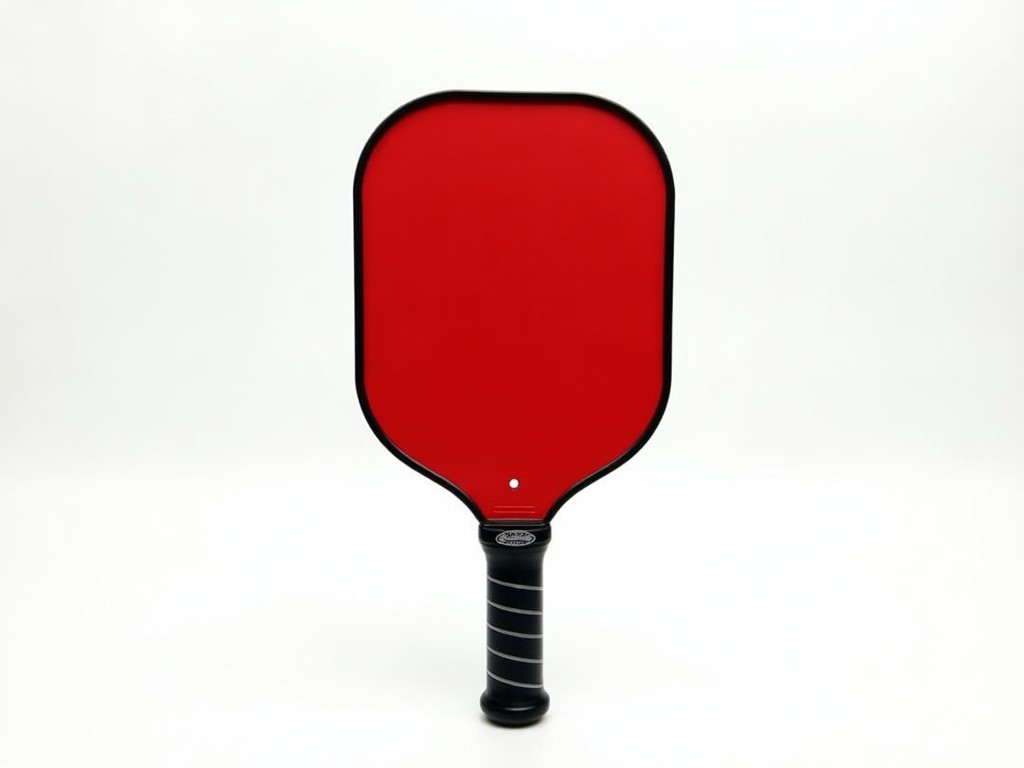
China Carbon Fiber Pickleball Paddle Manufacturer
Pickleball paddles constructed from carbon fiber reinforced polymer combine high specific stiffness with low mass, enabling rapid maneuverability and consistent ball response. Manufacturers in China
China carbon fiber pickleball paddle manufacturer
Overview
Pickleball paddles constructed from carbon fiber reinforced polymer combine high specific stiffness with low mass, enabling rapid maneuverability and consistent ball response. Manufacturers in China produce these paddles using prepreg lay‑up or vacuum‑bag molding techniques that control fiber orientation and resin content.
The resulting laminate typically exhibits a flexural modulus in the range of 70–90 GPa and a density around 1.5 g/cm³, values that differ from traditional wood or composite paddles.
Material Composition
The core material is usually a unidirectional carbon fiber tape impregnated with epoxy resin, providing tensile strength exceeding 4 GPa along the fiber direction. Some designs incorporate a thin layer of aramid or glass fiber to improve impact resistance.
Resin systems are selected for low volatile organic compound (VOC) emission and cure schedules compatible with automated pressing, which influences final glass transition temperature (Tg) typically between 120 °C and 150 °C.
Manufacturing Process
Prepreg sheets are cut to paddle shape, stacked in a mold with alternating 0°/±45° plies to achieve balanced in‑plane stiffness. The lay‑up is then placed in a heated press where pressure of 0.8–1.2 MPa and temperature of 130 °C–150 °C consolidate the laminate.
After curing, the paddle undergoes CNC trimming to final dimensions, edge sanding, and grip installation. Process parameters are logged to ensure repeatability across batches.
Mechanical Properties
- Flexural modulus: 70–90 GPa (depending on ply angle)
- Tensile strength (longitudinal): 4.0–5.5 GPa
- Weight: 190–230 g for a standard 15.5 in × 8 in paddle
- Balance point: typically 180 mm from the butt cap (±5 mm)
- Swing weight: 90–110 kg·cm² (measured per USAPA protocol)
These values are measured according to ASTM D790 (flexural) and ASTM D3039 (tensile) on cured laminates.
Customization Options
Customers can specify ply schedule, resin type, surface finish, and grip size. Typical ranges include:
- Number of carbon layers: 8–16
- Core thickness: 6 mm–12 mm (foam or honeycomb core optional)
- Surface coating: matte UV‑cured polyurethane or glossy polyester
- Grip circumference: 3.5 in–4.5 in
Lead time for tooling‑free samples is usually 7–10 business days after design approval.
Applications
Carbon fiber paddles are suited for competitive play where rapid wrist action and consistent rebound are required. The high stiffness‑to‑weight ratio reduces player fatigue during extended matches, while the damping characteristics of the epoxy matrix help control vibration transmission to the hand.
Recreational players benefit from the enlarged sweet spot that results from a uniform laminate, which improves shot accuracy for beginners transitioning from wood paddles.
Quality Control
Each batch undergoes incoming inspection of prepreg areal weight and resin content, followed by in‑process monitoring of press pressure and temperature curves. Final inspection includes:
- Dimensional tolerance: length ±1 mm, width ±0.5 mm, thickness ±0.2 mm
- Weight tolerance: ±3 g
- Surface defect check: no delamination, bubbles, or resin starves visible under 10× magnification
- Impact resistance test: drop ball from 1.5 m onto paddle face, no cracking allowed
Test results are recorded in a traceable lot file linked to the customer order number.
Typical Specifications
| Parameter | Typical Range | Test Method |
|---|---|---|
| Weight | 190–230 g | Analytical balance (0.01 g) |
| Flexural Modulus | 70–90 GPa | ASTM D790 |
| Tensile Strength (0°) | 4.0–5.5 GPa | ASTM D3039 |
| Balance Point | 180 mm ±5 mm | Caliper measurement |
| Swing Weight | 90–110 kg·cm² | USAPA protocol |
Values are indicative; actual specifications are confirmed per project requirements.
Frequently Asked Questions
Can dimensions be customized?
Yes. Length, width, thickness, and grip size can be adjusted within the limits of the mold tooling. Custom shapes require a new mold, which adds to lead time.
What information is needed for a quotation?
Please provide paddle outline drawing (DXF/DWG), desired ply schedule, resin type, surface finish, grip specifications, and order quantity.
Which materials are available?
Standard offering uses unidirectional carbon fiber/epoxy prepreg. Optional cores include PVC foam, Nomex honeycomb, or polyurethane. Alternative fibers such as aramid or glass can be hybridized upon request.
How is quality inspected?
Incoming prepreg is checked for areal weight and resin content. In‑process checks monitor press pressure and temperature. Final inspection covers dimensions, weight, surface integrity, and impact resistance as outlined above.
What packaging methods are available?
Paddles are packed in individual corrugated sleeves with foam end caps, then placed in master cartons. For export, cartons are palletized and stretch‑wrapped; moisture barrier liners are added upon request.
What is the typical production lead time?
Sample production: 7–10 business days after design approval. Mass production: 15–25 business days depending on order size and tooling readiness.
Contact
For technical inquiries or to request a quote, please reach out via the contact form.
Request Quote


