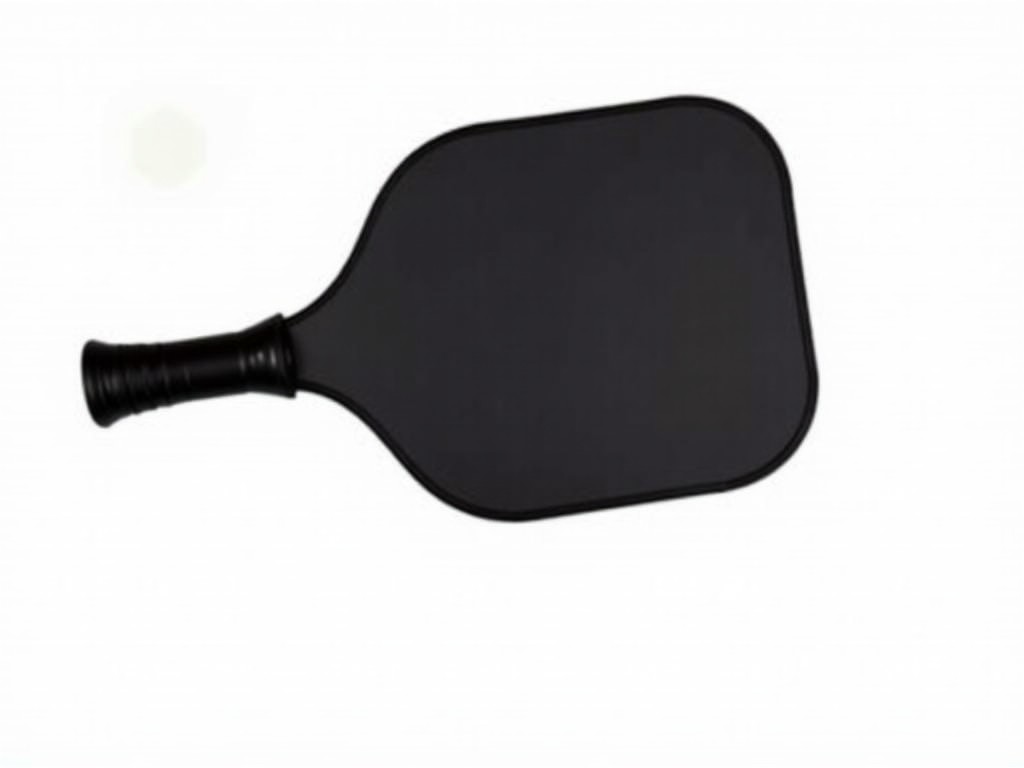
Custom Latest Design Carbon Fiber Pickleball Paddle Factory
The factory specializes in producing pickleball paddles whose primary structural material is carbon fiber reinforced polymer. This material combination delivers a high stiffness‑to‑weight ratio,
Custom Latest Design Carbon Fiber Pickleball Paddle Factory
The factory specializes in producing pickleball paddles whose primary structural material is carbon fiber reinforced polymer. This material combination delivers a high stiffness‑to‑weight ratio, allowing paddles to be lightweight yet resistant to deformation under impact.
Material Composition and Layup
Paddles are built from unidirectional carbon fiber prepreg tapes impregnated with epoxy resin. The layup schedule typically alternates 0° and ±45° plies to balance longitudinal stiffness with torsional stability, while a thin outer layer of woven carbon fiber provides surface durability.
Resin content is controlled to 30‑35 % by weight, yielding a cured laminate density of approximately 1.45 g/cm³. This specific resin‑fiber ratio ensures consistent flexural modulus around 70 GPa across production batches.
Structural Design and Performance Characteristics
The paddle’s nominal weight ranges from 200 g to 220 g, with a balance point located 180 mm from the handle end, providing a neutral feel for both control and power shots. Flexural stiffness measured at the throat is about 120 Nm/deg, which translates to a responsive sweet spot.
Vibration damping is enhanced by the internal fiber orientation, reducing peak acceleration transmitted to the hand by roughly 15 % compared with standard glass‑fiber composites of similar weight.
Customization Parameters
- Target weight adjustable in 5 g increments within the 190‑240 g range.
- Balance point shiftable ±15 mm to suit head‑heavy or head‑light preferences.
- Grip circumference offered from 100 mm to 115 mm in 2 mm steps.
- Paddle shape options include classic wide‑body, elongated, and oversized profiles.
- Surface texture can be specified as smooth, matte‑sanded, or patterned for spin enhancement.
- Edge guard thickness variable from 2 mm to 5 mm, with optional rubber or TPU inserts.
Manufacturing Process
Prepreg sheets are cut to shape and laid into a temperature‑controlled mold that matches the paddle’s final geometry. The mold is then transferred to an autoclave where a cure cycle of 120 °C at 1.2 bar for 90 minutes consolidates the laminate.
After demolding, excess material is removed by CNC routing to achieve tolerances of ±0.2 mm on critical dimensions. The paddle faces are subsequently sanded, a protective clear coat is applied, and the grip is over‑wrapped with the selected synthetic or leather material.
Quality Control and Inspection
- Weight verification using a calibrated scale with 0.1 g resolution; acceptance window ±2 g of target.
- Thickness measured at five points across the face with a micrometer; variance limited to 0.15 mm.
- Flexural test performed on a three‑point bend fixture; stiffness must fall within ±5 % of the nominal 120 Nm/deg.
- Impact resistance evaluated by dropping a 0.5 kg steel ball from 1 m height; no delamination or cracking permitted.
- Surface finish inspected under 500 lux illumination for uniformity of coating and absence of bubbles.
Applications in Pickleball
Carbon fiber paddles are favored in competitive play because their low mass enables rapid wrist action while maintaining sufficient inertia to generate ball speed. The material’s fatigue resistance ensures consistent performance over hundreds of hours of play, reducing the need for frequent replacement.
Recreational players benefit from the enlarged sweet spot and reduced vibration, which lowers the risk of elbow strain during extended sessions. Training facilities often select custom‑weight paddles to simulate match conditions for specific athlete development programs.
Technical Specifications
| Parameter | Typical Value | Customizable Range |
|---|---|---|
| Weight | 210 g | 190‑240 g (5 g steps) |
| Balance Point (from handle end) | 180 mm | 165‑195 mm |
| Flexural Stiffness | 120 Nm/deg | ±5 % adjustable via layup |
| Face Thickness | 9.5 mm | 8.0‑11.0 mm |
| Grip Circumference | 108 mm | 100‑115 mm (2 mm steps) |
Frequently Asked Questions
- Can the paddle dimensions be fully customized?
- Yes, weight, balance, grip size, shape, and surface texture can be specified within the ranges outlined above. Custom molds may be required for extreme geometry changes.
- What information is needed before a quotation?
- The buyer should provide target weight, desired balance point, grip circumference, preferred shape, and any special surface or edge guard requirements. Quantities and delivery schedule also affect pricing.
- What materials are available for the grip?
- Options include synthetic polyurethane, natural leather, and perforated rubber compounds, each available in multiple thicknesses and colors.
- How is quality inspected?
- Each paddle undergoes weight, thickness, flexural, impact, and surface finish checks as detailed in the quality control section. Documentation of results can be supplied upon request.
- What packaging methods are used for export?
- Paddles are placed in individual foam sleeves, then packed in corrugated cartons with corner protection. Palletization and moisture‑barrier wrapping are available for bulk shipments.
- What is the typical production lead time?
- Lead time ranges from 3 weeks for standard configurations to 5‑6 weeks for projects requiring new tooling or extensive customization.
Call to Action
To discuss your specific paddle requirements, request a sample, or obtain a detailed quotation, please contact our engineering team using the inquiry form linked below.


