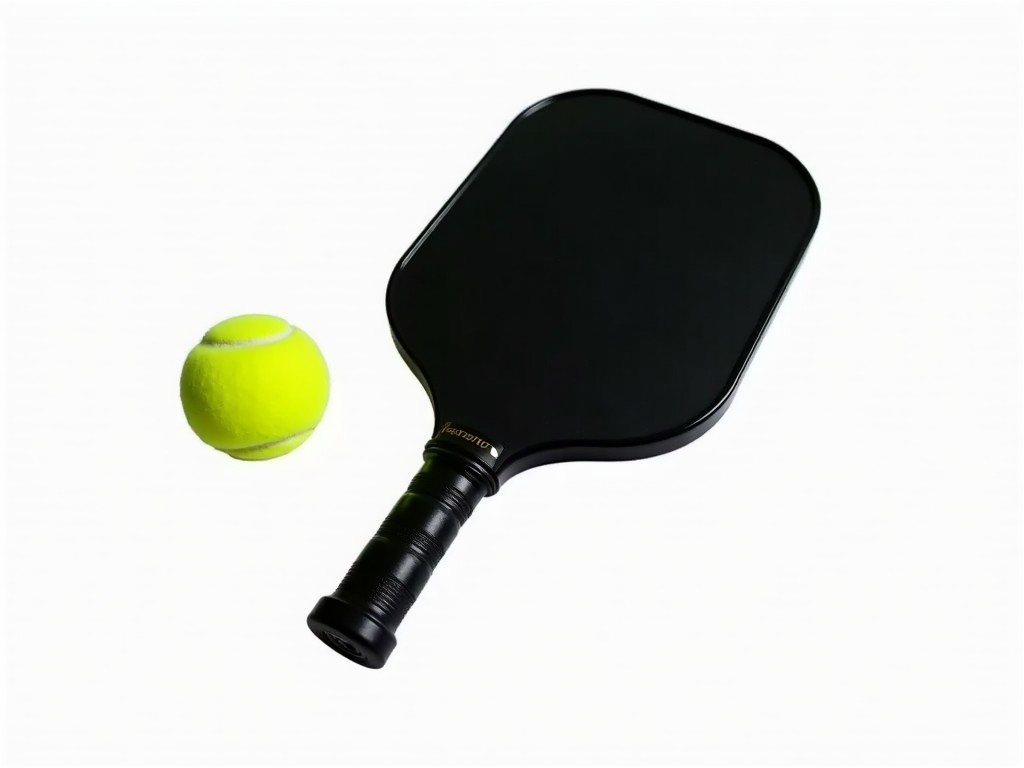
Oem Custom Carbon Fiber Pickleball Paddles Manufacturer
This page describes the engineering considerations behind producing carbon‑fiber pickleball paddles on a contract basis. It explains material selection, layup design, dimensional control, and
OEM Custom Carbon Fiber Pickleball Paddles Manufacturer
This page describes the engineering considerations behind producing carbon‑fiber pickleball paddles on a contract basis. It explains material selection, layup design, dimensional control, and validation methods that help buyers assess suitability for their performance targets and production volumes.
Material Composition and Layup
The paddle face typically uses unidirectional or woven carbon‑fiber prepreg with a tensile modulus ranging from 200 GPa to 240 GPa and a density near 1.55 g/cm³. A core material—often a polypropylene honeycomb or polymer foam—is bonded between two face sheets to achieve a target flexural stiffness while keeping overall mass low.
Layup schedules are defined by the number of plies, fiber orientation angles (e.g., 0°/±45°/90°), and resin content. Adjusting these variables changes the in‑plane stiffness, torsional rigidity, and vibration damping characteristics, allowing the paddle to be tuned for power, control, or feel preferences.
Dimensional Tolerances and Weight Specifications
Standard pickleball paddle dimensions fall within a length of 395 mm to 405 mm and a width of 190 mm to 200 mm, with a thickness profile that varies from 8 mm at the edge to 12 mm at the sweet spot. Weight is controlled by adjusting core thickness and face ply count, typically yielding a finished mass between 210 g and 250 g.
Tolerances are held to ±0.5 mm for length and width, and ±0.2 mm for thickness at critical locations, ensuring consistent swing dynamics across production lots. These limits are verified using calibrated calipers and coordinate‑measuring machines after trimming.
Customization Options
- Face geometry: elongated, wide‑body, or hybrid shapes
- Grip circumference: ranging from 100 mm to 115 mm with optional over‑wrap
- Surface finish: matte, gloss, or textured spin‑enhancing coating
- Edge protection: thermoplastic bumper, rubber guard, or carbon‑fiber wrap
- Core selection: polypropylene honeycomb (density 30‑45 kg/m³), foam, or hybrid
Each option influences measurable performance metrics such as swing weight, impact shock absorption, and surface roughness (Ra). Customers provide target values for these metrics, and the manufacturer adjusts ply count, core thickness, and surface treatment accordingly.
Manufacturing Process
Production begins with cutting prepreg to shape, followed by automated layup on a temperature‑controlled mold. The stack is then vacuum bagged and cured in an autoclave at approximately 120 °C under 0.7 MPa pressure for 60‑90 minutes, achieving a fiber volume fraction of 55‑60 %.
After cure, the paddle undergoes CNC trimming to final dimensions, drilling for grip insertion, and application of the selected edge guard. Grips are bonded using a two‑part epoxy with a shear strength exceeding 5 MPa, ensuring durability under repeated impact loads.
Quality Control and Testing
Non‑destructive inspection includes ultrasonic C‑scan to detect delamination or resin‑rich zones, with acceptance criteria set at less than 2 % area of indication per paddle. Dimensional checks are performed on a CMM, and weight is verified on a calibrated scale with 0.1 g resolution.
Mechanical validation consists of three‑point bend testing to measure flexural modulus (target range 8‑12 GPa) and impact testing using a standardized ball drop to assess energy absorption. Results are logged per lot and compared against the customer‑specified limits before shipment.
Applications and Performance Benefits
Carbon‑fiber faces deliver a high stiffness‑to‑weight ratio, translating to faster ball exit speeds for a given swing effort. The low mass reduces player fatigue during extended play, while the tailored layup can be tuned to dampen high‑frequency vibrations that cause elbow strain.
Because the material is resistant to moisture and UV degradation, the paddles maintain consistent performance across indoor and outdoor environments, a factor that reduces warranty claims and extends product life for OEMs supplying sporting‑goods distributors.
Typical vs. Customizable Parameters
| Parameter | Typical Range | Customizable per Project |
|---|---|---|
| Weight | 210‑250 g | Yes – via core thickness and ply count |
| Face thickness (sweet spot) | 10‑12 mm | Yes – adjust core and face layers |
| Length | 395‑405 mm | Limited – ±5 mm for special shapes |
| Width | 190‑200 mm | Limited – ±5 mm |
| Grip circumference | 100‑115 mm | Yes – select grip core size |
| Surface roughness (Ra) | 2‑5 µm | Yes – coating selection |
Frequently Asked Questions
Can dimensions be customized?
Length and width can be adjusted within ±5 mm of standard limits to accommodate special shapes such as elongated or wide‑body designs. Larger deviations require new tooling and are evaluated case‑by‑case.
What information is required before quotation?
To generate an accurate quote we need the target weight range, desired face dimensions, core type preference, grip size, surface finish, and expected annual volume. Any required certifications or testing standards should also be supplied at this stage.
How is quality inspected?
Each lot undergoes ultrasonic C‑scan for internal defects, CMM verification of critical dimensions, weight measurement, and mechanical testing (flexural modulus and impact energy). Acceptance criteria are defined in the purchase agreement and shared with the customer prior to production.
What packaging options are available?
Standard packaging uses individual poly‑bags placed in corrugated cartons with corner protection. For export shipments we can add foam inserts, humidity‑barrier liners, and palletizing upon request to mitigate transit damage.
What is the typical production lead time?
Lead time depends on order volume and tooling availability. For paddle designs using existing molds, the typical range is 4‑6 weeks after receipt of approved artwork and material specifications. New mold development adds 2‑3 weeks.
Contact for Technical Discussion
If you need to evaluate whether a carbon‑fiber paddle solution meets your performance targets, schedule, or cost constraints, please reach out to our engineering team. We can review your specifications, suggest layup options, and provide a detailed quotation based on your volume requirements.


