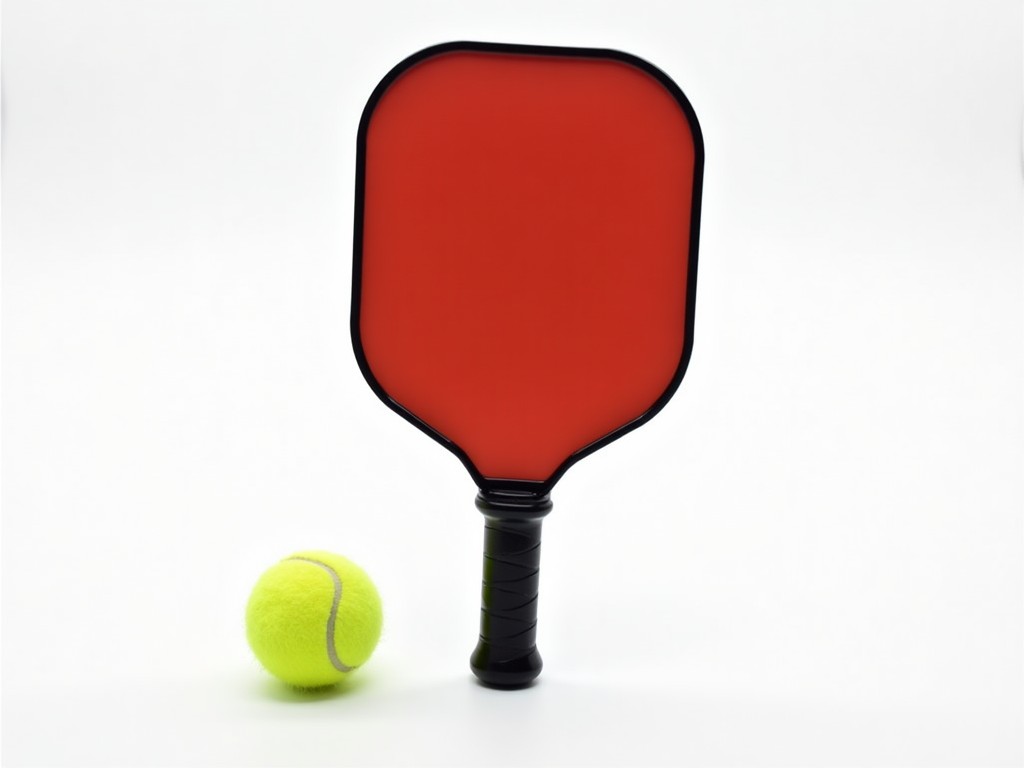
Wholesale Good Beginner Intermediate Pickleball Paddle Supplier
Beginner and intermediate paddles are distinguished by a balance of control, forgiveness, and manageable swing weight. These paddles typically feature a larger sweet spot and a weight range that
Wholesale Beginner and Intermediate Pickleball Paddle Supplier
Beginner and intermediate paddles are distinguished by a balance of control, forgiveness, and manageable swing weight. These paddles typically feature a larger sweet spot and a weight range that reduces arm fatigue during extended play sessions.
Core Material Options
The core determines the paddle’s feel, power transmission, and durability. Common core materials for this segment include polypropylene polymer, Nomex honeycomb, and aluminum, each offering distinct stiffness and weight characteristics.
- Polypropylene polymer cores provide a soft feel with good vibration damping, typically weighing between 200 and 230 grams.
- Nomex honeycomb cores deliver higher stiffness and a livelier response, often resulting in weights from 220 to 250 grams.
- Aluminum cores are the most rigid, yielding a solid feel and weights ranging from 240 to 270 grams, suitable for players seeking extra power.
Face Material and Surface Texture
The face material influences ball spin, rebound speed, and surface durability. Fiberglass, carbon graphite, and hybrid composites are the primary choices for beginner‑to‑intermediate paddles.
- Fiberglass faces offer a balanced combination of power and control, with a typical surface roughness of 20‑30 µm that enhances spin generation.
- Carbon graphite faces provide higher stiffness and faster ball exit speeds, often paired with a smoother surface (10‑15 µm) for precise placement.
- Hybrid faces layer fiberglass over a carbon substrate to tune the flex profile, allowing manufacturers to adjust the sweet spot size without changing overall weight.
Weight and Balance Characteristics
Weight distribution affects swing speed, maneuverability, and player comfort. Beginner paddles are generally lighter to promote quick reactions, while intermediate models add mass for increased stability.
Typical weight ranges are 200‑240 grams for beginner‑level paddles and 240‑280 grams for intermediate‑level paddles. Balance points usually fall between 180 mm and 200 mm from the handle end, yielding a slightly head‑heavy feel that aids in power generation without sacrificing control.
Grip Size and Handle Construction
Grip circumference and material directly influence hand comfort, vibration attenuation, and slip resistance. Offering multiple grip sizes allows wholesalers to cater to varied hand dimensions.
- Standard grip sizes range from 4.0 inches to 4.5 inches in circumference, with increments of 0.125 inches available upon request.
- Grip wraps are commonly made from polyurethane (PU) foam for cushioning or genuine leather for a firmer feel, both applied over a wooden or composite handle core.
- Handle length typically measures 5.0 inches, providing sufficient leverage for two‑handed backhands while maintaining a compact overall paddle length of 15.5‑16.0 inches.
Edge Guard and Durability Features
An edge guard protects the paddle’s perimeter from impact damage and delamination. The choice of guard material and its cross‑sectional thickness affect both weight and longevity.
Thermoplastic polyurethane (TPU) guards with a width of 3‑4 mm are common, adding roughly 5‑8 grams to the total weight while providing excellent abrasion resistance. Rubber‑based guards offer slightly higher damping but may increase weight by up to 12 grams.
Typical Performance Comparison
| Property | Beginner Range | Intermediate Range | Typical Value (Customizable) |
|---|---|---|---|
| Weight (g) | 200‑240 | 240‑280 | 220 ± 10 |
| Balance Point (mm from handle) | 170‑190 | 190‑210 | 195 ± 5 |
| Face Roughness (µm) | 20‑30 | 15‑25 | 22 ± 3 |
| Core Thickness (mm) | 12‑16 | 14‑18 | 15 ± 1 |
Customization Possibilities
Wholesale buyers often require paddle variations that align with brand identity or specific performance targets. Customization can be applied to cosmetic and functional aspects without altering the core manufacturing process.
- Face color and graphic printing using UV‑cured inks that withstand repeated ball impact.
- Weight tuning via core density adjustments or adding/removing small inserts in the handle.
- Grip material selection, length alteration, or adding over‑grips for increased thickness.
- Edge guard profile changes, such as rounded versus squared edges, to affect aerodynamics and feel.
Quality Control and Inspection
Consistent product quality reduces return rates and builds trust with distributors. Inspection protocols focus on dimensional tolerances, adhesion integrity, and surface finish.
Each paddle undergoes a weight check (± 5 g), a balance point verification (± 3 mm), and a peel test on the face‑to‑core bond (minimum 1.5 N/mm). Visual inspection under 500 lux lighting checks for cosmetic defects such as bubbles, uneven paint, or guard misalignment.
Applications and Use Cases
Beginner and intermediate paddles serve environments where durability, ease of use, and cost‑effectiveness are prioritized. Understanding the specific demands of these settings helps wholesalers position their inventory effectively.
Schools and community centers benefit from paddles that resist frequent drops and rough handling, making polymer cores with TPU guards a practical choice. Recreational clubs often seek a mix of control and power, favoring Nomex cores with carbon‑graphite faces to accommodate players progressing from casual to competitive play.
Ordering and Lead Time
Wholesale transactions require clear communication of minimum order quantities, sample availability, and production timelines. Transparent lead‑time information assists procurement planning.
Typical MOQ for a single model is 200 units, with sample paddles available within 7‑10 business days after artwork approval. Production lead time ranges from 20‑30 days for standard configurations, extending to 35‑45 days when custom weights or special graphics are involved.
Frequently Asked Questions
- Can dimensions be customized? Yes, paddle length, width, and handle length can be adjusted within ± 5 mm based on tooling availability.
- What information is required before quotation? Required details include desired weight range, core material preference, face material, grip size, order quantity, and any custom graphics or logos.
- What materials are available? Polypropylene polymer, Nomex honeycomb, and aluminum cores; fiberglass, carbon graphite, or hybrid faces; PU or leather grips; TPU or rubber edge guards.
- How is quality inspected? Each paddle is checked for weight, balance, bond strength, and visual defects per the QC protocol described above.
- What packaging methods are available? Standard packaging includes individual PP bags placed in master cartons with corrugated dividers; custom inserts or branded sleeves can be arranged.
- How are export shipments protected? Cartons are strapped and palletized, with corner boards and moisture‑barrier liners added for overseas freight.
- What is the typical production lead time? Lead time varies from 20‑30 days for standard models to up to 45 days for fully customized orders.
- How are samples arranged? Samples are produced after receiving confirmed specifications and artwork; shipping costs are borne by the requester unless otherwise negotiated.
Contact for Inquiry
For further technical details, pricing, or to request a sample, please reach out using the contact form below.
Submit Inquiry


