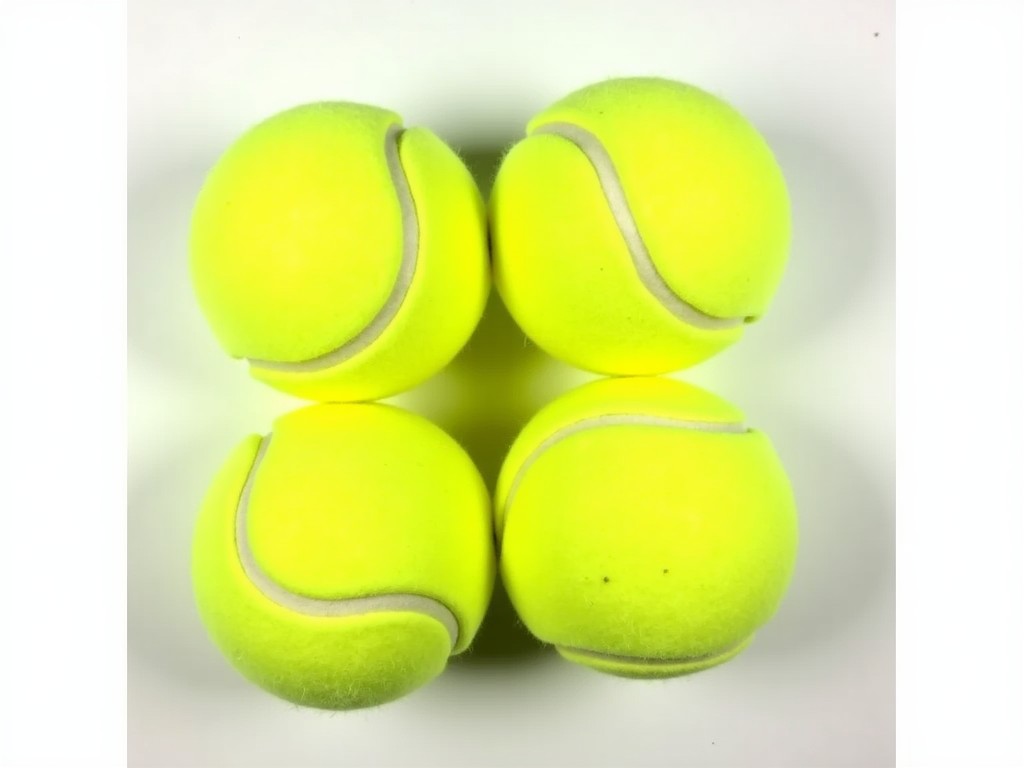
Wholesale Indoor Outdoor Pickleball Balls Manufacturer
The balls are designed for consistent play on both indoor courts and outdoor surfaces, meeting the dimensional and weight specifications required for sanctioned tournaments. Each unit undergoes a
Wholesale Indoor Outdoor Pickleball Balls Manufacturer
Product Overview
The balls are designed for consistent play on both indoor courts and outdoor surfaces, meeting the dimensional and weight specifications required for sanctioned tournaments. Each unit undergoes a molding process that yields a seamless spherical shape, reducing seam‑related flight variation. This approach supports predictable bounce and trajectory for competitive and recreational use.
Material and Construction
The primary material is a polypropylene copolymer blended with UV stabilizers, providing resistance to sunlight degradation and temperature fluctuations between -10 °C and 50 °C. The copolymer’s melt flow index is selected to achieve a Shore D hardness of approximately 70, which balances durability with the required rebound characteristics. A precision‑drilled hole pattern of 26 evenly spaced apertures reduces wind interference while maintaining structural integrity.
- Polypropylene copolymer with UV additives
- Seam‑free rotational molding
- 26‑hole aerodynamic pattern
- Optional color pigments integrated into the melt
Performance Characteristics
| Property | Typical Value | Test Method |
|---|---|---|
| Diameter | 74 mm ± 0.5 mm | Caliper measurement |
| Weight | 22 g ± 0.5 g | Analytical balance |
| Rebound Height (drop from 200 cm) | 135 cm ± 5 cm | ASTM F1887 |
| Hardness (Shore D) | 70 ± 2 | Shore durometer |
| UV Retention (after 500 h QUV) | ≥ 80 % original color | QUV accelerated weathering |
These values represent typical production lots; actual measurements can be adjusted according to specific project requirements, such as altered hole counts for specialized wind conditions.
Applications
Indoor facilities benefit from the balls’ low‑noise impact and consistent bounce on polished wood or synthetic surfaces, reducing wear on court coatings. Outdoor installations leverage the UV‑stabilized copolymer and hole pattern to maintain flight stability despite sun exposure and light breezes, making the balls suitable for community parks, schoolyards, and temporary tournament setups.
Because the balls meet the official diameter and weight tolerances, they are accepted by league organizers for both practice and competitive play, allowing facilities to stock a single SKU that serves multiple environments.
Customization Options
- Color selection – standard white, yellow, orange, or custom Pantone matches
- Hole count variation – 26, 32, or 40 apertures for differing aerodynamic profiles
- Weight adjustment – lightweight (18 g) for training or heavier (26 g) for high‑wind outdoor use
- Surface texture – smooth finish or slight matte coating for enhanced grip
- Packaging – bulk cartons of 100 units, retail‑ready packs of 3, or custom branded bags
Quality Control
Each production lot undergoes in‑line dimensional checks using laser gauges to verify diameter within ±0.5 mm. Hardness is sampled every 30 minutes with a Shore D durometer, and rebound performance is validated on a standardized drop‑test rig. Visual inspection confirms hole uniformity and absence of flash or mold marks before packaging.
Statistical process control charts track key parameters; any deviation beyond control limits triggers an automatic halt and root‑cause analysis. This systematic approach reduces the likelihood of out‑of‑spec balls reaching the customer, supporting consistent playability across large orders.
Packaging and Shipping
Standard packaging utilizes corrugated cardboard boxes with internal dividers that prevent ball‑to‑ball contact, minimizing surface abrasion during transit. Each box is labeled with lot number, quantity, and material specifications for traceability. For export shipments, boxes are palletized and stretch‑wrapped, with optional moisture‑barrier liners available upon request.
Lead times typically range from 2 to 4 weeks depending on order size and customization complexity, with expedited options available for urgent projects. All shipments comply with ISPM‑15 standards for wooden pallets when required.
Frequently Asked Questions
Can the ball dimensions be customized for non‑standard play?
Yes. Diameter and weight can be adjusted within the limits of the molding equipment, subject to minimum order quantities. Customers provide target specifications, and engineering validates feasibility before tooling.
What information is needed to receive a quotation?
Required details include desired quantity, color, hole count, any weight or texture modifications, packaging preference, and delivery destination. Providing a sample or reference ball accelerates the matching process.
How is product quality verified before shipment?
Each lot receives a final inspection report that includes average diameter, weight, hardness, and rebound height, along with visual defect counts. Reports are available upon request for customer review.


