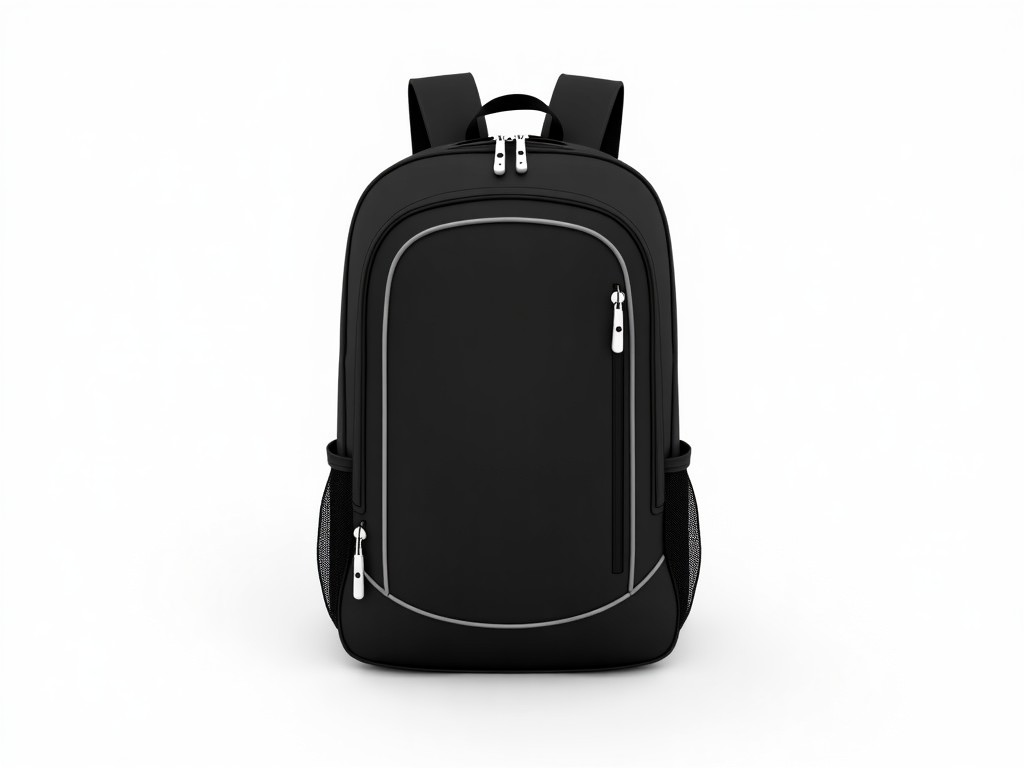
Wholesale Paddle Tennis Backpack Bags Supplier
When sourcing paddle tennis backpack bags for resale or team distribution, buyers evaluate capacity, durability, weight, and compliance with sports‑equipment standards. This page explains the
Wholesale Paddle Tennis Backpack Bags Supplier
When sourcing paddle tennis backpack bags for resale or team distribution, buyers evaluate capacity, durability, weight, and compliance with sports‑equipment standards. This page explains the engineering considerations that affect long‑term value and helps procurement specialists compare suppliers objectively.
Core Design Parameters
The primary dimensions of a paddle tennis backpack are dictated by the need to hold two standard paddles, balls, personal items, and optionally a hydration bladder. Typical external dimensions range from 480 mm × 320 mm × 180 mm (L×W×H) with an internal volume of approximately 22 L.
Load‑bearing components—shoulder straps, back panel, and base—must support a sustained load of at least 15 kg without permanent deformation. Reinforcement is achieved through bar‑tack stitching at stress points and a 600 D polyester ripstop fabric for the main body.
Material Selection and Performance
Fabric choice influences abrasion resistance, water repellency, and weight. Suppliers commonly offer three material grades, each with distinct tensile strength and coating properties.
| Material Grade | Tensile Strength (N/50mm) | Water Resistance (mm Hg) | Typical Weight (g/m²) |
|---|---|---|---|
| 600 D Polyester Ripstop | 1400 | 800 | 210 |
| 840 D Nylon with PU Coating | 1800 | 1500 | 260 |
| 1000 D TPU‑Laminated Polyester | 2100 | 2000 | 300 |
Customization Options
Industrial buyers often require branding, size adjustments, and functional add‑ons. The following list outlines typical customization paths that can be discussed during quotation.
- Embroidered or silk‑screened logos (maximum area 120 mm × 80 mm)
- Adjustable sternum strap and waist belt for load distribution
- Internal mesh pockets sized for paddle grips (diameter 35 mm)
- Optional rain cover made from 150 g/m² PU‑coated nylon
- Reflective safety strips (width 25 mm) placed on shoulder straps
Applications in Paddle Tennis Supply Chains
Beyond simple transport, the backpack functions as a mobile equipment station that reduces handling time at courts. By integrating dedicated paddle sleeves and ball compartments, teams can decrease setup time by an estimated 15‑20 % during tournaments.
Distributors supplying clubs and academies benefit from standardized dimensions that fit existing locker‑room shelving (depth 450 mm), simplifying inventory stacking and reducing warehousing footprint.
Quality Control Philosophy
Inspection focuses on seam integrity, fabric coating adhesion, and strap load capacity. Each batch undergoes random sampling: 5 % of units are subjected to a 50 kg dynamic drop test from a height of 1 m, simulating repeated court‑side handling.
Colorfastness is evaluated using ISO 105‑B02, with a target rating of ≥ 4 after 20 h of simulated sunlight exposure. These tests are documented in a batch‑specific QC report available upon request.
Packaging and Logistics
Bulk shipments are packed in five‑layer corrugated cartons (flute C) with internal dimensions 500 mm × 340 mm × 200 mm, allowing 12 backpacks per carton. Cartons are sealed with pressure‑sensitive tape and strapped with PET bands for pallet stability.
For export, each pallet (max 1.2 m × 1.0 m × 1.8 m) receives a heat‑shrink polyethylene cover and is labeled with ISPM‑15 compliant markings. Lead time typically ranges from 25‑35 working days after receipt of approved artwork and material confirmation.
Request a Quote
To obtain a formal quotation, provide the following details: desired material grade, order quantity, logo artwork specifications, and any required add‑ons (e.g., rain cover, reflective strips). Our technical team will review the request and return a cost breakdown within two business days.


