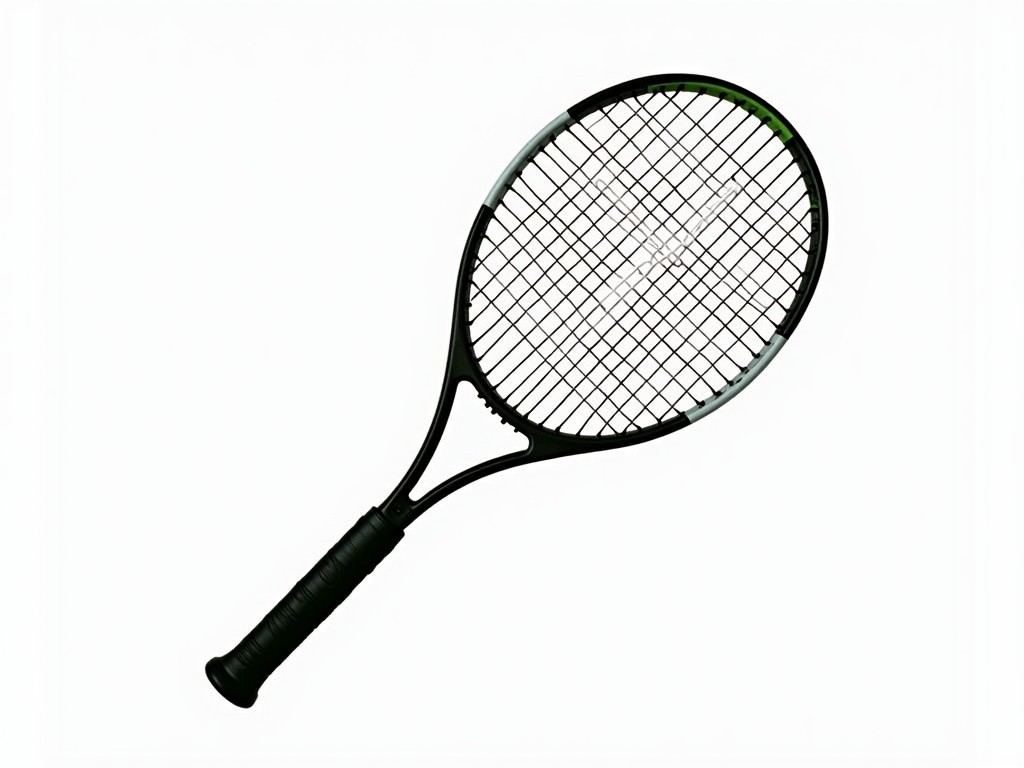
Wholesale Tennis Racket Anti Vibration Supplier
Anti‑vibration inserts mitigate frame‑borne oscillations that can affect player comfort and racket stability. By attenuating specific resonant modes, these components help maintain consistent string
Wholesale Tennis Racket Anti‑Vibration Supplier – Technical Overview
Anti‑vibration inserts mitigate frame‑borne oscillations that can affect player comfort and racket stability. By attenuating specific resonant modes, these components help maintain consistent string bed response during impact.
Vibration Damping Mechanism
The inserts rely on viscoelastic polymers that convert kinetic energy into heat through internal friction. Loss factor values typically range from 0.05 to 0.15 in the 100‑200 Hz band, which corresponds to the first bending mode of a standard racket.
Placement at the 3 and 9 o’clock positions targets the antisymmetric mode, while a central insert can address the symmetric mode. Geometry influences the strain distribution and thus the damping efficiency.
Material Selection & Construction
Thermoplastic elastomer (TPE) grades with Shore A hardness between 40 and 70 are commonly used. This range provides sufficient flexibility to conform to the frame while retaining enough stiffness to transmit load.
Inserts are either over‑molded onto the graphite lay‑up or placed as pre‑formed strips in milled channels. Over‑molding ensures bonding strength above 2 MPa, reducing delamination risk under cyclic loading.
Wall thickness typically varies from 0.8 mm to 1.5 mm, balancing added mass (usually under 2 g per insert) with damping performance.
Performance Metrics
| Parameter | Typical Value | Test Method |
|---|---|---|
| Added Mass (per insert) | 0.8 – 1.8 g | Analytical balance |
| Loss Factor (100‑200 Hz) | 0.07 – 0.13 | Modal analysis (impact hammer) |
| Stiffness Change (flexural) | < 2 % | Three‑point bend test |
| Durability (cycles @ 2 Hz) | > 10⁵ | Fatigue tester |
Customization Options
- Durometer selection (Shore A 30‑80) to tune loss factor
- Geometric variations: cylindrical, rectangular, or custom‑milled profiles
- Placement patterns: 2‑point, 4‑point, or distributed arrays
- Insert type: over‑molded, snap‑in, or adhesive‑backed
- Surface treatments for enhanced bonding to graphite or aluminum frames
Each option influences the modal damping ratio and overall racket feel, allowing OEMs to match specific player preferences or regulatory limits on equipment mass.
Applications & Benefits for Wholesale Channels
Wholesale distributors benefit from standardized insert geometries that simplify inventory management across multiple racket models. Consistent loss factor values reduce the need for per‑lot re‑qualification.
OEMs can specify inserts that meet targeted vibration reduction thresholds, thereby lowering warranty claims related to player discomfort or frame fatigue.
Because the inserts add minimal mass, they preserve the swing weight characteristics that are critical for performance‑level rackets, enabling suppliers to market the same frame with differentiated comfort options.
Quality Control & Testing Philosophy
Incoming TPE lots are screened for melt flow index and hardness to ensure batch‑to‑batch consistency. Dimensional verification of inserts uses optical comparators with a tolerance of ±0.02 mm.
Finished assemblies undergo modal testing on a sample rack; the first two natural frequencies must fall within ±3 % of the target specification. Additionally, a random vibration sweep verifies that the loss factor remains above the minimum threshold across the 50‑500 Hz range.
Visual inspection checks for bonding integrity, flash, and surface defects. Any unit exceeding the defined defect rate triggers a root‑cause analysis and corrective action.
Frequently Asked Questions
- Can dimensions be customized? Yes, length, width, and thickness can be adjusted to suit specific frame channels; tooling costs apply for new geometries.
- What information is required before quotation? Frame cross‑section drawings, desired placement points, target loss factor range, and expected annual volume.
- What materials are available? TPE grades with Shore A 30‑80, silicone‑based compounds, and thermoplastic polyurethanes upon request.
- How is quality inspected? Incoming material testing, dimensional checks, modal analysis on sample rackets, and fatigue cycling per internal standards.
Contact Us for Technical Consultation
Our engineering team can review your frame specifications, propose insert geometries, and provide sample kits for validation. To start a discussion, please use the contact form below.
Request Technical Consultation


