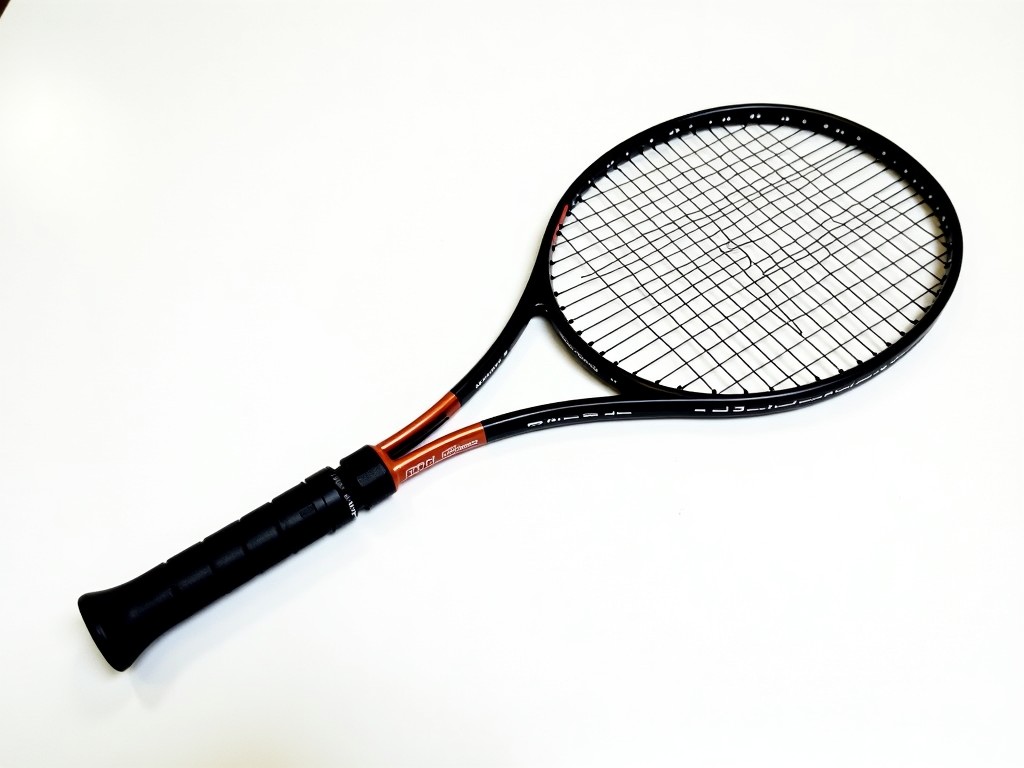
B2B Beam Width Tennis Racket Exporter
Beam width is the transverse dimension of the racket frame measured at the throat, typically expressed in millimeters. It influences the moment of inertia, swing weight, and the distribution of
B2B Beam Width Tennis Racket Exporter – Technical Overview
Beam Width Definition and Measurement
Beam width is the transverse dimension of the racket frame measured at the throat, typically expressed in millimeters. It influences the moment of inertia, swing weight, and the distribution of impact forces across the string bed.
For export‑grade rackets, beam width is controlled within ±0.2 mm tolerance using laser‑scanned metrology after mold cooling. This tight control ensures consistent playing characteristics across production lots.
Material Composition and Construction
Frames are fabricated from high‑modulus carbon fiber prepreg layered with a unidirectional orientation along the longitudinal axis to maximize tensile strength. The beam region incorporates a balanced lay‑up of 0°/±45° plies to resist torsional deformation.
A thermoplastic polyurethane (TPU) reinforcement is co‑molded into the beam to provide damping and to protect the carbon fibers from abrasion during string tensioning. The resin system is an epoxy with a glass transition temperature of 130 °C, suitable for high‑temperature curing cycles.
Performance Characteristics
Typical beam widths for performance tennis rackets range from 20 mm to 24 mm. Narrower beams (20‑22 mm) yield higher swing speeds and greater maneuverability, while wider beams (23‑24 mm) increase stability and reduce frame flex on off‑center impacts.
Finite element analysis shows that a 22 mm beam with the described lay‑up produces a frame stiffness of 210 N/mm in the throat region and a torsional rigidity of 1.8 Nm/degree, values verified by static load testing on sample lots.
Typical Applications in Sports Equipment Supply Chain
OEMs integrate these rackets into product lines targeting intermediate to advanced players who require a balance of power and control. The consistent beam width enables predictable string pattern performance, simplifying racket customization for regional distributors.
Export markets in Europe and North America demand compliance with ITF frame geometry standards; the controlled beam width facilitates certification without additional rework.
Customization Options
- Beam width adjustment in 0.5 mm increments within the 20‑24 mm range.
- Alternative lay‑up schedules (e.g., increased 45° content) to modify torsional rigidity.
- Choice of TPU hardness ( Shore A 85‑95) to tune vibration damping.
- Surface finish options: matte, gloss, or textured paint with UV‑stable pigments.
Quality Assurance and Testing
Each batch undergoes dimensional inspection using coordinate measuring machines (CMM) at three points along the beam: throat, midpoint, and tip. Acceptance criteria are ±0.2 mm for width and ±0.1 mm for thickness.
Dynamic mechanical analysis (DMA) is performed on cured laminates to confirm storage modulus exceeding 45 GPa at 25 °C. Impact resistance is evaluated via ASTM D3763 drop‑weight testing, with a threshold of 15 J without visible delamination.
Typical Specifications
| Parameter | Typical Value | Tolerance / Note |
|---|---|---|
| Beam Width (mm) | 22.0 | ±0.2 mm |
| Frame Thickness (mm) | 6.5 | ±0.1 mm |
| Swing Weight (g·cm²) | 320 | ±15 |
| Stiffness (N/mm) | 210 | Measured at throat |
| Torsional Rigidity (Nm/°) | 1.8 | ±0.1 |
| Cure Temperature (°C) | 180 | ±5 |
Packaging and Export Logistics
Rackets are placed in individual LDPE sleeves, then stacked in corrugated cartons with 10 mm PE foam corner protectors. Carton dimensions are 760 mm × 210 mm × 70 mm, accommodating 30 units per master carton.
Export pallets are ISPM‑15 heat‑treated, stacked two cartons high, and secured with PET strapping. Each pallet bears a QR code linking to the batch’s inspection certificate and material safety data sheet.
Frequently Asked Questions
- Can beam width be customized for a specific OEM model? Yes, adjustments are possible in 0.5 mm steps within the 20‑24 mm range, subject to tooling availability.
- What information is required before quotation? Required data include target beam width, desired lay‑up, quantity, preferred surface finish, and destination port for freight estimation.
- How is quality inspected for export orders? Every lot receives CMM dimensional checks, DMA modulus verification, and a visual inspection per AQL 1.0 standards before packaging.
- What is the typical production lead time? Standard lead time is 4‑6 weeks after receipt of approved sample and purchase order, excluding customs clearance.
For technical inquiries or to request a sample with specific beam width parameters, please contact our engineering team.
Request Technical Consultation


