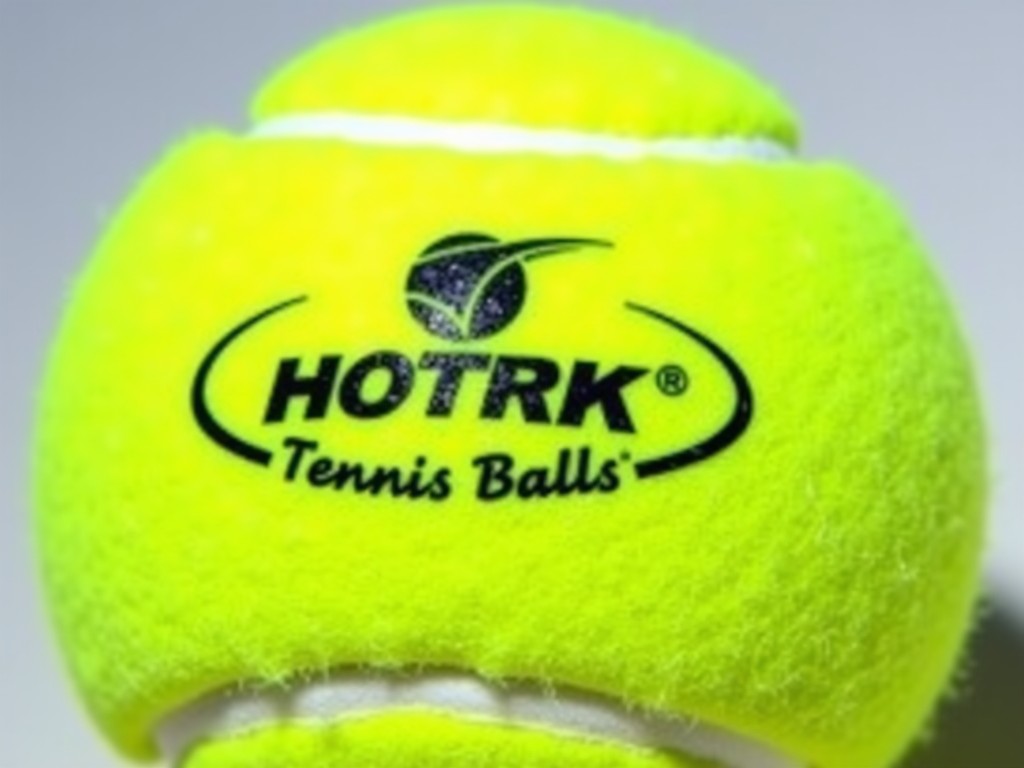
Direct Factory Branded Tennis Balls Wholesale
These balls are produced in a dedicated facility that supplies directly to distributors, OEMs, and sports institutions. The manufacturing line follows ITF‑approved tolerances for diameter, weight,
Direct Factory Branded Tennis Balls Wholesale
These balls are produced in a dedicated facility that supplies directly to distributors, OEMs, and sports institutions. The manufacturing line follows ITF‑approved tolerances for diameter, weight, and bounce, ensuring interchangeability with major brand balls in competitive play. Buyers receive a consistent product lot after each production run, which simplifies inventory planning and reduces variability in training sessions.
Technical Specifications
Each ball meets the International Tennis Federation (ITF) Type 2 standard for official match and practice use. The nominal diameter ranges from 6.54 mm to 6.86 mm, and the mass falls between 56.0 g and 59.4 g. When dropped from a height of 254 cm onto a concrete surface, the rebound height measures 135 cm to 147 cm, corresponding to a coefficient of restitution of approximately 0.73. Internal pressurization is maintained at about 2.0 atm (≈29 psi) to achieve the specified bounce characteristics.
| Parameter | Typical Range | ITF Limit |
|---|---|---|
| Diameter (mm) | 6.54 – 6.86 | 6.54 – 6.86 |
| Mass (g) | 56.0 – 59.4 | 56.0 – 59.4 |
| Rebound (cm) | 135 – 147 | 135 – 147 |
| Internal Pressure (atm) | ≈2.0 | 1.8 – 2.2 |
Material Composition
The core consists of a rubber compound formulated for consistent elasticity and durability under repeated impact. A blend of natural and synthetic rubber provides a Shore A hardness of roughly 40 ± 5, which balances feel and longevity. The outer felt is a wool‑nylon blend with a nominal thickness of 2.0 mm, engineered to deliver optimal friction on various court surfaces while resisting premature flaking.
- Core rubber: natural rubber (≈60 %) + styrene‑butadiene rubber (≈40 %)
- Felt: 68 % wool, 32 % nylon, treated for water resistance
- Adhesive: water‑based latex compatible with rubber and felt substrates
Manufacturing Process
The process begins with precision molding of the rubber cores in heated cavities that maintain a tolerance of ±0.02 mm on core diameter. After curing, each core undergoes a surface‑roughening step to enhance felt adhesion. The felt is cut into two dumbbell‑shaped pieces, wrapped around the core, and bonded using a controlled‑temperature press that activates the adhesive without degrading rubber properties. Finally, the balls are pressurized in a nitrogen‑filled chamber to achieve the target internal pressure before sealing.
In‑line vision systems inspect each ball for core concentricity and felt alignment, rejecting any unit that deviates beyond 0.15 mm offset. This automated check reduces human error and ensures that every shipped lot meets the specified geometric tolerances.
Quality Assurance & Testing
Quality control follows a three‑stage protocol: raw material verification, in‑process monitoring, and final product validation. Rubber batches are tested for tensile strength (≥12 MPa) and elongation at break (≥450 %). Felt samples are evaluated for pilling resistance using a Martindale tester (≥8000 cycles without noticeable wear). Finished balls are subjected to bounce, weight, and diameter checks on a statistical sample of 1 % of each production lot.
- Core hardness: Shore A 38‑42
- Felt weight: 2.0 g ± 0.1 g per piece
- Seam strength: minimum 1.5 N/mm peel resistance
- Visual inspection: no felt defects, no surface bubbles
Applications in Sports & Training
Because the balls conform to ITF Type 2 specifications, they are suitable for sanctioned tournament practice, club league matches, and high‑intensity drilling sessions. The consistent bounce and felt durability allow coaches to replicate match‑pace conditions without frequent ball replacement, which reduces downtime and lowers the cost per hit. Additionally, the standardized weight helps players develop accurate timing for serves and groundstrokes across different court surfaces.
Customization Options
Buyers can request modifications that align with branding or specific training goals while retaining core performance parameters. Options include alternative felt colors, custom logo printing, and adjustments to internal pressure for altitude‑specific play. All customizations are validated through the same QC routine to ensure that the modified balls still meet ITF tolerances for diameter, weight, and bounce.
- Felt color: standard yellow, optic orange, or custom Pantone match
- Logo placement: one‑ or two‑color screen print on the felt hemisphere
- Pressure settings: 1.8 atm (low‑bounce) or 2.2 atm (high‑bounce) upon request
- Packaging: bulk poly bags, cardboard cartons, or reusable plastic crates
Packaging & Logistics
Standard wholesale units are packed in corrugated cartons containing 72 balls (three‑dozen cans) each, with internal dividers to prevent movement during transit. Cartons are sealed with pressure‑sensitive tape and labeled with lot numbers, production date, and QC pass/fail status. For international shipments, the cartons are stacked on pallets, stretch‑wrapped, and fitted with corner boards to protect against impact. Optional insulated liners are available for climates where temperature fluctuations could affect internal pressure.
Frequently Asked Questions
A: Yes, we can source wool‑nylon felt in any Pantone shade provided the colorfastness meets our internal pilling standard (≥8000 Martindale cycles). A swatch approval step precedes bulk production.
A: Please provide the desired quantity, any customization details (felt color, logo artwork, pressure setting), delivery destination, and preferred Incoterms. This enables our logistics team to calculate accurate freight costs and lead times.
A: Each lot undergoes a bounce test on a calibrated steel surface, measuring rebound height for a sample of 200 balls. The average must fall within the 135‑147 cm range with a standard deviation ≤2 cm; otherwise the lot is reworked or rejected.
For technical datasheets, sample arrangements, or to discuss a custom specification, please contact our sales engineering team.
Request a quotation


