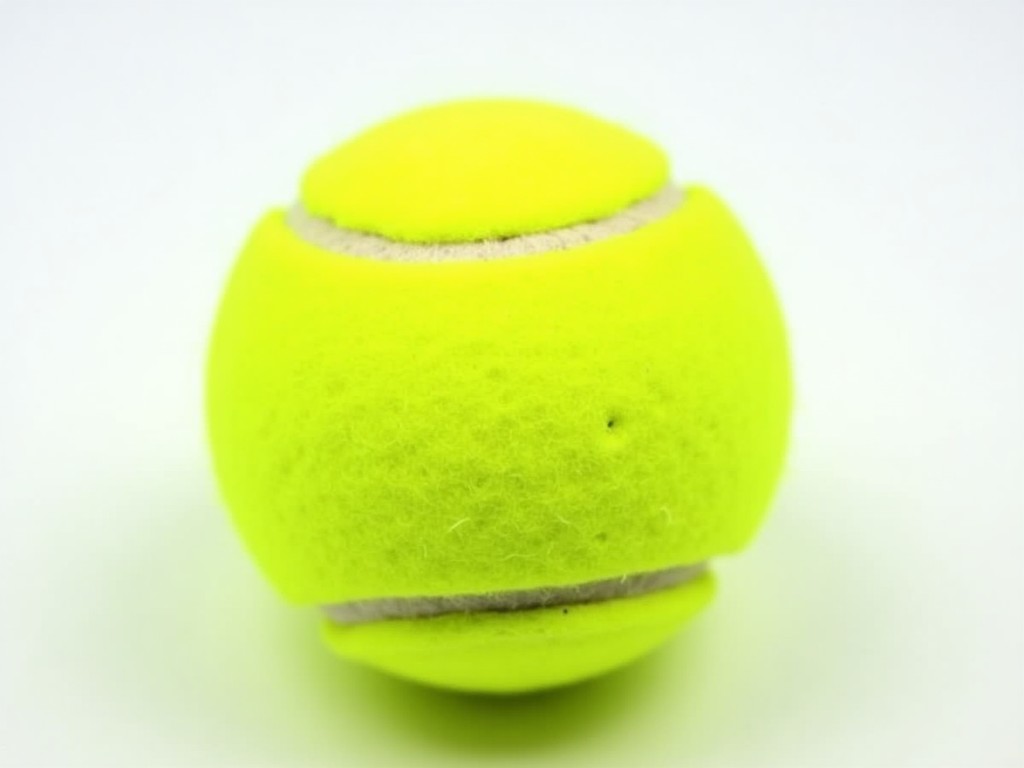
Wholesale Foam Tennis Balls For Beginners Factory
These balls are produced from closed‑cell ethylene‑vinyl acetate (EVA) or polyurethane foam, engineered to provide low bounce and soft impact for novice players. The foam structure consists of
Wholesale Foam Tennis Balls for Beginners – Factory Direct
These balls are produced from closed‑cell ethylene‑vinyl acetate (EVA) or polyurethane foam, engineered to provide low bounce and soft impact for novice players. The foam structure consists of millions of sealed micro‑cells that absorb kinetic energy and reduce rebound height to approximately 30 % of that of a standard pressurized tennis ball.
Material Composition
Manufacturers can select EVA grades with densities ranging from 0.04 to 0.06 g/cm³ or polyurethane foams with comparable density ranges, both offering consistent cell size distribution. Additives such as non‑marking pigments and UV stabilizers are incorporated to maintain color stability and surface integrity under outdoor exposure. The final formulation influences the ball’s weight, compression deflection, and durability characteristics.
Manufacturing Process
The foam is extruded or injection‑molded into pre‑forms, then cut to a nominal diameter of 6.5 cm using precision rotary blades. Subsequent thermal curing stabilizes the cell structure and sets the final hardness, measured by a Shore A scale typically between 20 and 30. Inline laser gauges monitor diameter tolerance, holding it within ±0.2 mm to ensure uniform bounce behavior across a batch.
Performance Characteristics
When dropped from a height of 1.0 m onto a rigid surface, the balls rebound to a height of 25–35 cm, corresponding to a coefficient of restitution of 0.25–0.35. Compression deflection at 25 % strain falls between 12 and 18 N, providing a soft feel that reduces stress on beginner wrists and elbows. Abrasion resistance is evaluated via Taber wear testing, with typical loss rates below 5 mg per 1000 cycles under standard load.
Applications
These balls are ideal for introductory tennis programs in schools, community centers, and tennis academies where reducing ball speed enhances learning safety and confidence. Coaches also use them for drills that emphasize stroke technique without the intimidation of a fast‑moving ball. Because they are non‑pressurized, they retain consistent performance over extended periods, minimizing the need for frequent replacement.
Quality Assurance
Each production lot undergoes dimensional sampling, weight checks, and visual inspection for surface defects such as pits or discoloration. Statistical process control tracks key parameters—diameter, weight, and rebound height—maintaining a Cpk above 1.33 for critical dimensions. Final random samples are subjected to accelerated aging (UV exposure and temperature cycling) to verify long‑term stability.
Customization Options
- Diameter variations from 6.0 cm to 7.0 cm
- Weight adjustments between 8 g and 12 g
- Color choices including optic yellow, high‑visibility orange, or custom Pantone matches
- Surface printing: single‑color logos, full‑color wraps, or textured grips via pad printing or heat transfer
- Packaging: bulk counts of 50, 100, or 200 balls per carton with optional inner poly bags
Packaging & Logistics
Standard export cartons are constructed from double‑wall corrugated fiberboard, rated for a stacking strength of 500 kg, and sealed with pressure‑sensitive tape. Pallet configurations typically hold 48 cartons, facilitating efficient container loading and reducing handling costs. All shipments include a moisture‑barrier liner and corner protectors to safeguard the foam balls during transit.
Typical Specification Ranges
| Property | Typical Range | Note |
|---|---|---|
| Foam density | 0.04–0.06 g/cm³ | Depends on EVA/PU grade |
| Diameter | 6.3–6.7 cm | ±0.2 mm tolerance |
| Weight | 8–12 g | Varies with diameter and density |
| Rebound height (drop 1.0 m) | 25–35 cm | Corresponds to COR 0.25–0.35 |
| Compression deflection @25% strain | 12–18 N | Soft feel indicator |
| Color options | Optic yellow, orange, custom | Pantone matching available |
Frequently Asked Questions
- Can dimensions be customized? Yes, diameter and weight can be adjusted within the ranges shown in the specification table to meet specific training requirements.
- What information is required before quotation? Please provide target diameter, weight, color, quantity, and any branding or packaging preferences.
- What materials are available? We offer EVA‑based foam, polyurethane foam, or blends; each can be tuned for density, hardness, and UV stability.
- How is quality inspected? Inline laser gauges check diameter, scales verify weight, and rebound testing is performed on samples each shift; final audit includes visual defect inspection.
Get a Quote
Contact our sales team for a quotation: Contact our sales team for a quotation


