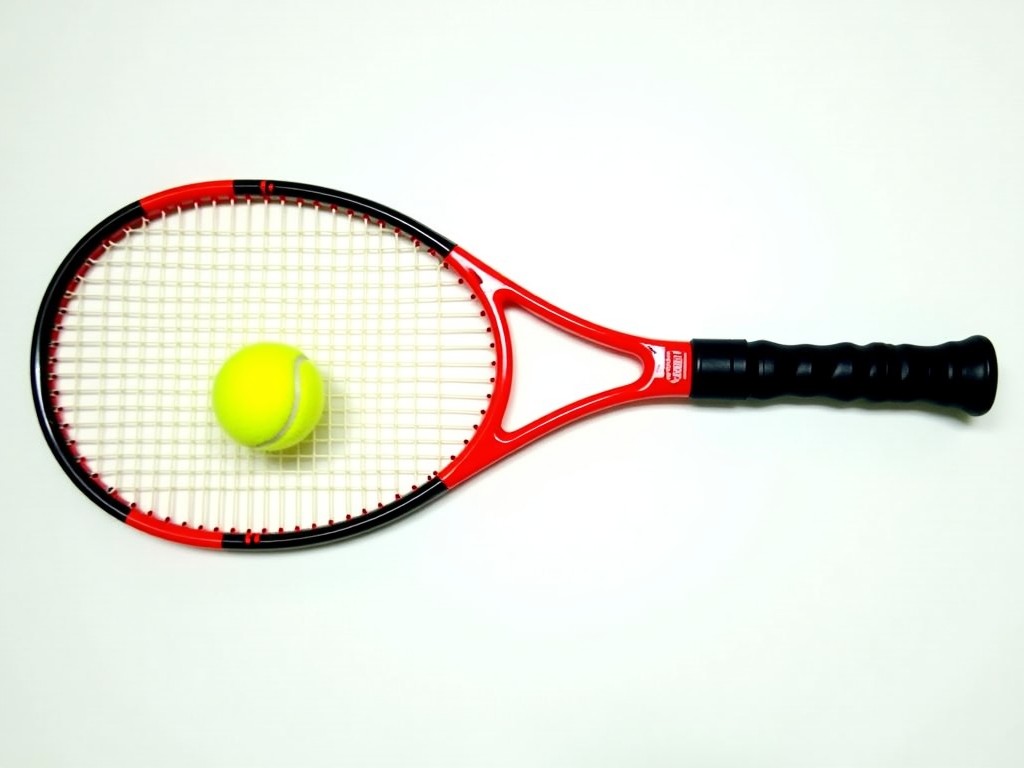
China New Racket Sport Typti Supplier
This product line encompasses rackets designed for sports such as tennis, badminton, squash, and emerging hybrid games. Design focus centers on frame geometry, mass distribution, and material lay‑up
New Racket Sport Type – China Supplier
This product line encompasses rackets designed for sports such as tennis, badminton, squash, and emerging hybrid games. Design focus centers on frame geometry, mass distribution, and material lay‑up to influence swing speed, shock absorption, and ball‑control characteristics.
Typical Technical Specifications
| Parameter | Typical Range | Notes |
|---|---|---|
| Frame Mass (unstrung) | 250 g – 340 g | Variation depends on head size and material selection |
| Balance Point (from butt) | 300 mm – 360 mm | Head‑heavy bias increases power; handle‑heavy improves maneuverability |
| Stiffness (RA) | 55 – 75 | Higher RA yields less frame flex, translating to greater energy return |
| String Tension Range | 20 lb – 30 lb (9 kg – 13.6 kg) | Recommended tension varies with string gauge and player preference |
| Head Size | 85 in² – 110 in² | Larger heads enlarge sweet spot; smaller heads enhance precision |
Materials and Construction
Frames are typically manufactured using a combination of unidirectional carbon fiber sheets and woven reinforcement layers. The lay‑up sequence determines the modulus distribution along the longitudinal axis, affecting torsional stability and rebound efficiency. Aluminum alloy inserts may be incorporated in the throat region to adjust local density without significantly increasing overall mass.
Resin systems employed are epoxy‑based with a glass transition temperature above 120 °C, ensuring dimensional stability under typical indoor court temperature fluctuations. Surface finishes consist of a UV‑stable clear coat that resists abrasion from court contact and provides a low‑friction interface for grip tape application.
Primary Applications
- Tennis – where a balance of power and control is required across baseline rallies and net play.
- Badminton – lighter frames with higher stiffness facilitate rapid wrist swings and shuttlecock acceleration.
- Squash – head‑heavy configurations aid in generating high‑velocity drives within confined court dimensions.
- Pickleball and hybrid rackets – enlarged head sizes and forgiving sweet spots accommodate lower swing speeds typical of recreational play.
Customization Options
Buyers may specify adjustments to the following parameters, subject to tooling availability and minimum order quantities:
- Target mass distribution (e.g., shift balance point ±10 mm).
- Grip size (circumference ranging from 3.5 in to 4.5 in).
- String pattern (e.g., 16×19, 18×20) and grommet configuration.
- Cosmetic finish (matte, gloss, or custom color graphics).
- Inclusion of vibration‑dampening inserts in the handle.
Quality Control Philosophy
Each production lot undergoes a sequence of inspections designed to detect deviations that could affect performance or safety:
- Dimensional verification of head width, length, and throat thickness using calibrated CMM (±0.05 mm tolerance).
- Mass measurement of unstrung frames; acceptance band ±5 g of target.
- Three‑point bend test to assess flexural modulus; results compared to lay‑up simulation.
- Impact resistance test simulating shuttlecock/ball strike at 30 m/s; no visible delamination permitted.
- Surface adhesion test of clear coat (cross‑hatch method) – rating 4B or better required.
Statistical process control charts are maintained for critical dimensions; corrective actions are triggered when CpK falls below 1.33.
Frequently Asked Questions
- Can the frame geometry be altered without new tooling?
- Minor adjustments to weight distribution and balance are achievable through changes in lay‑up thickness; substantial silhouette changes require new molds.
- What information is needed for a quotation?
- Target mass, balance point, head size, preferred material (carbon fiber %, alloy %), grip size, string pattern, and desired cosmetic finish.
- Which material grades are available?
- Standard modulus carbon fiber (≈33 Msi), intermediate modulus (≈42 Msi), and high modulus (≈55 Msi) fabrics; epoxy resins with varying Tg values.
- How is product consistency validated?
- Through in‑process mass checks, final CMM verification, and batch‑based mechanical testing as outlined in the QC section.
- What packaging methods protect the rackets during transit?
- Each racket is placed in a low‑density polyethylene sleeve, inserted into a single‑wall corrugated carton with corner protectors, and strapped to a pallet for sea‑freight shipments.


