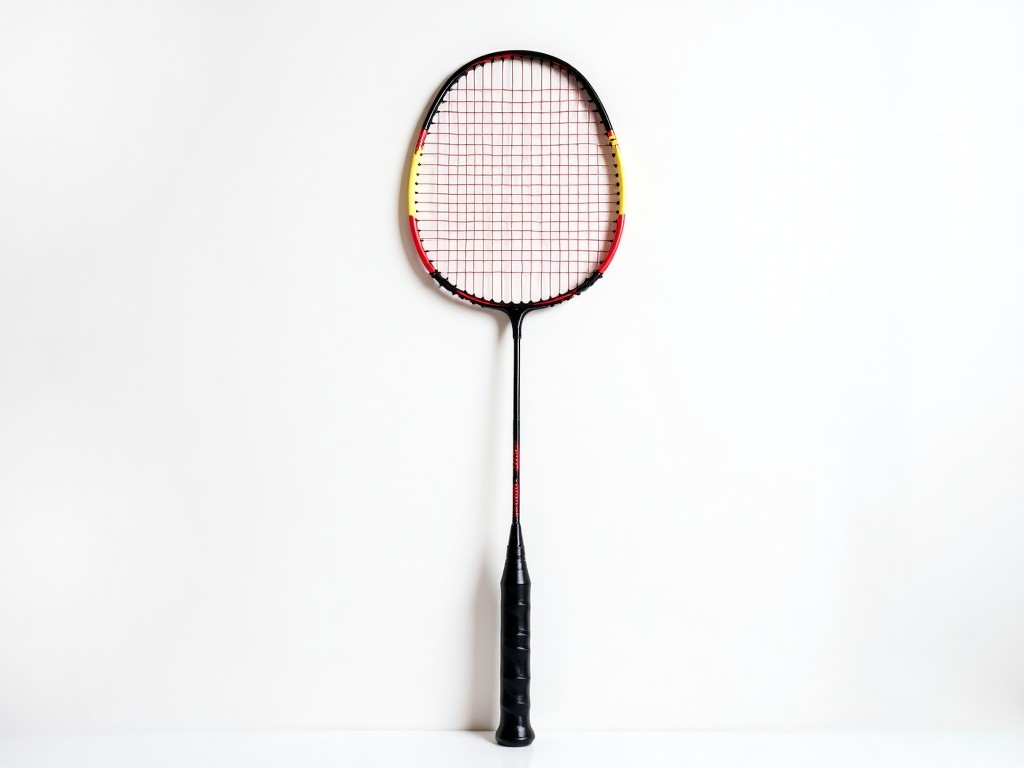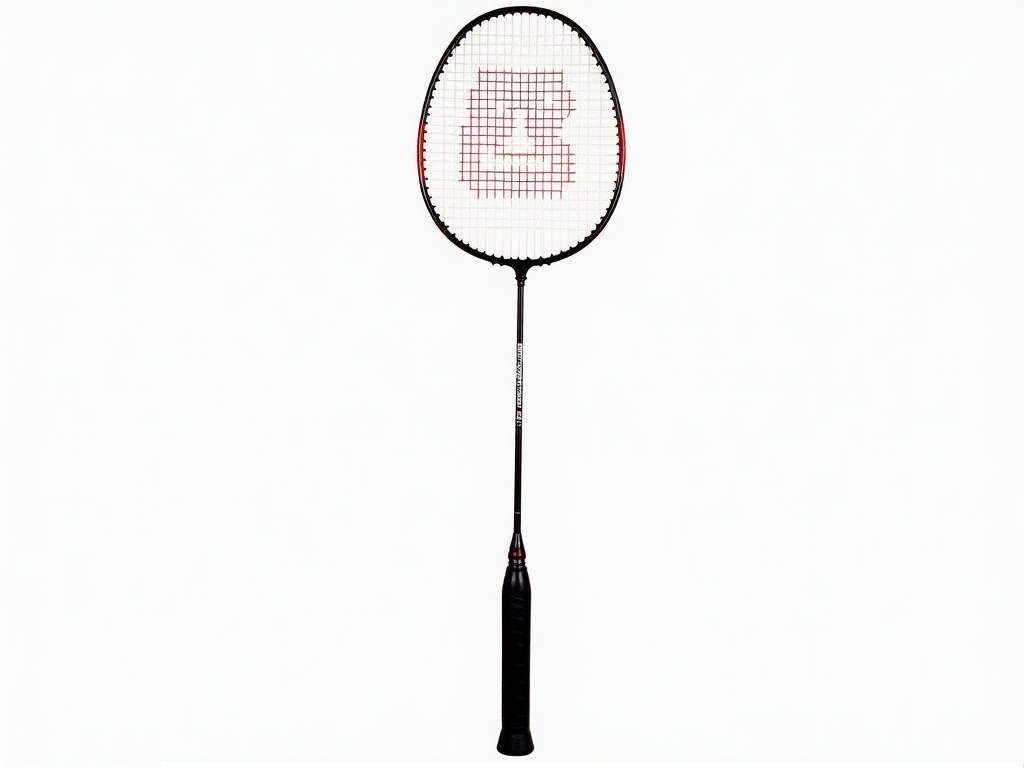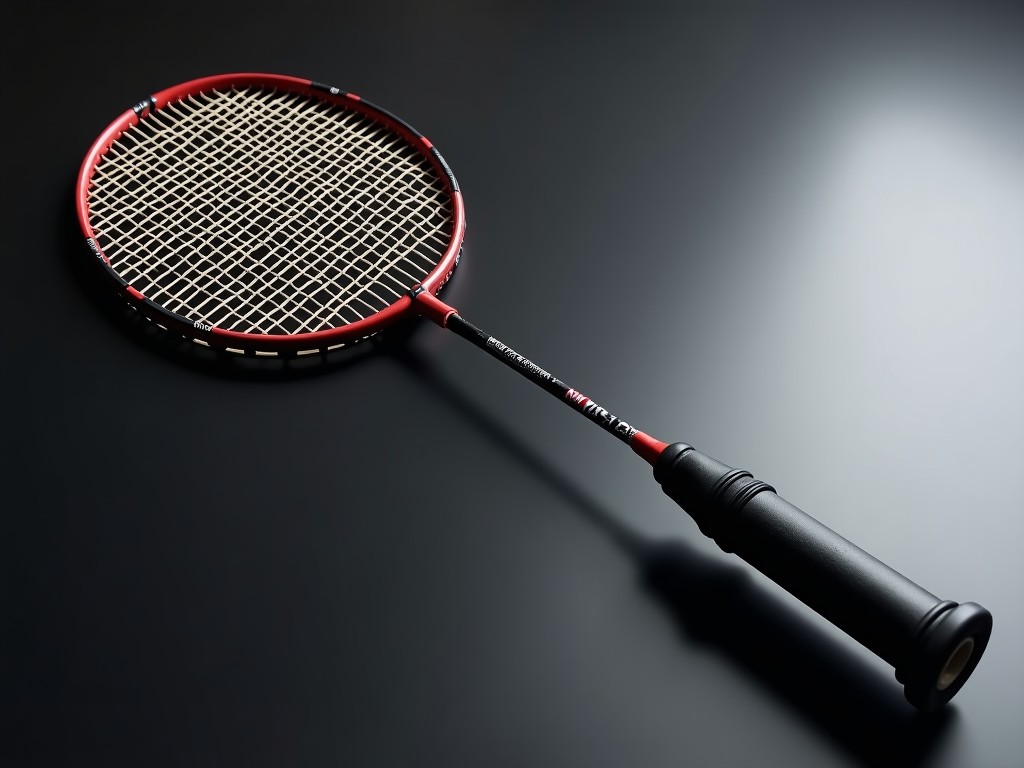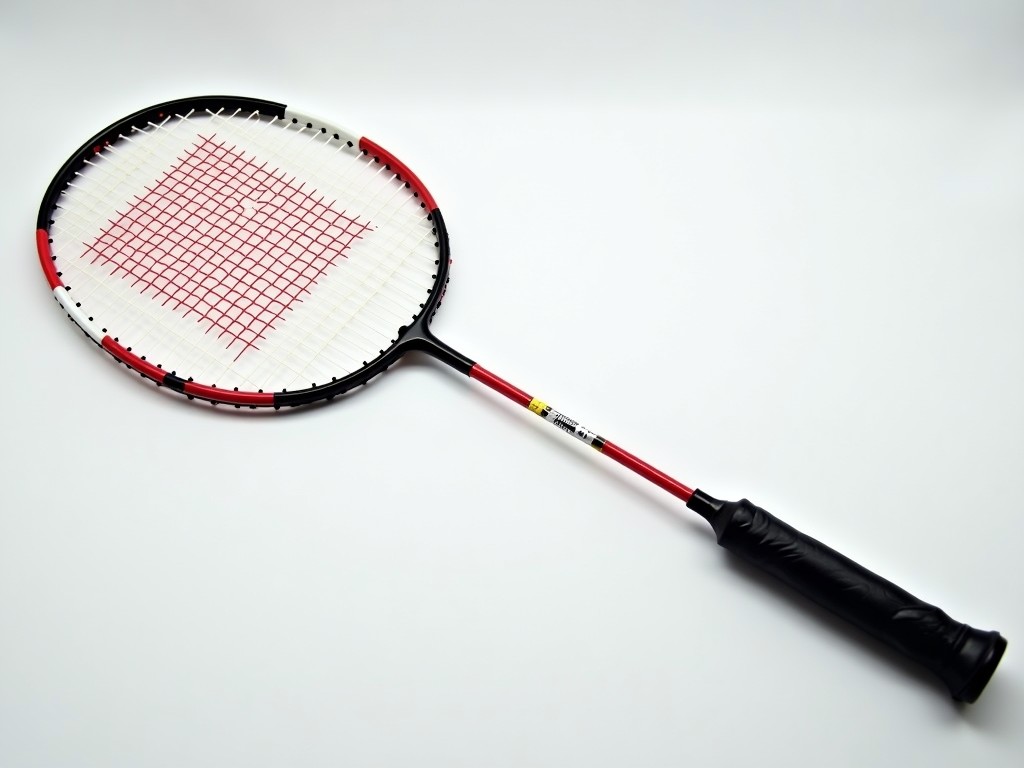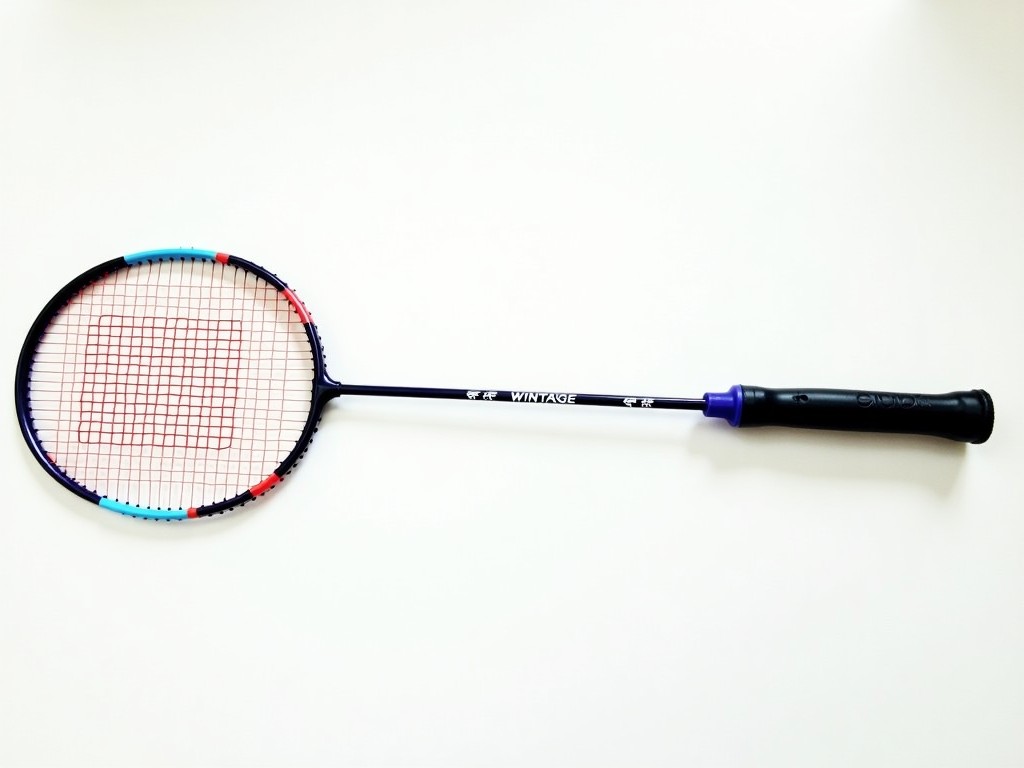
China Even Balance Badminton Racket Company
An even balance racket positions its center of mass near the midpoint of the frame, resulting in a neutral feel that does not favor head‑heavy or head‑light swings. This characteristic is quantified
China Even Balance Badminton Racket – Technical Overview
An even balance racket positions its center of mass near the midpoint of the frame, resulting in a neutral feel that does not favor head‑heavy or head‑light swings. This characteristic is quantified by measuring the balance point from the butt end; for a standard 675 mm length racket, an even balance typically falls between 285 mm and 295 mm.
Design Principles for Even Balance
Achieving an even balance requires precise distribution of material across the frame and shaft. Engineers adjust the lay‑up thickness in the head and handle zones while maintaining overall stiffness targets. The resulting balance point influences swing dynamics, allowing players to transition quickly between defensive lifts and aggressive smashes without significant re‑grip adjustment.
Frame Construction and Materials
The racket utilizes a high‑modulus graphite composite with a tensile strength of approximately 4.5 GPa. The frame incorporates a 30 % carbon nanotube‑enhanced resin layer to improve impact resistance while keeping the weight within 80 ± 2 grams for a typical 3U model. Shaft sections employ a tapered graphite lay‑up that provides a flex rating of 7.5 mm under a 10 N load, translating to a medium‑stiff feel suitable for all‑court play.
- High‑modulus graphite (T800 equivalent) for hoop and shaft
- Carbon nanotube‑reinforced resin for durability
- PU grip with absorption rate of 0.12 mm³/N·s
Performance Characteristics
Swing weight, measured as the moment of inertia about the butt end, averages 78 ± 3 g·cm² for the even balance configuration, providing a balance between maneuverability and power. Frame stiffness, evaluated via a three‑point bend test, yields a deflection of 2.1 mm under a 5 N load, indicating a moderate flex that aids shuttle control. Recommended string tension ranges from 20 lb to 28 lb (9 kg to 12.5 kg) depending on player preference and playing style.
| Parameter | Typical Range | Unit |
|---|---|---|
| Weight (3U) | 80 ± 2 | grams |
| Balance Point | 285‑295 | mm from butt |
| Swing Weight | 78 ± 3 | g·cm² |
| Frame Deflection @ 5 N | 2.1 | mm |
| String Tension Range | 20‑28 | lb |
Customization Options
Customers can specify adjustments to weight (± 3 g), balance point (± 5 mm), and grip size (G2, G3, G4) without altering the core lay‑up geometry. Cosmetic options include matte or gloss finishes, custom color graphics, and laser‑etched logos. These variations are achieved through modular mold inserts and programmable filament winding, ensuring that each customized racket meets the same tolerance targets as the standard model.
- Weight adjustment: ± 3 g via head tape or internal weighting
- Balance point shift: ± 5 mm through asymmetric lay‑up
- Grip sizes: G2 (75 mm), G3 (80 mm), G4 (85 mm) circumference
- Finish: matte UV‑cured or high‑gloss polyurethane
Applications in Competitive and Training Environments
An even balance racket supports versatile play styles because it does not bias the swing toward either power or speed. In doubles, the neutral feel enables rapid net exchanges and quick defensive lifts. In singles, the balanced weight distribution aids consistent shot placement during long rallies. Training programs often use even balance rackets to develop wrist flexibility and finger control, as the equipment does not compensate for technique flaws.
Quality Assurance and Inspection
Each racket undergoes dimensional verification using a coordinate measuring machine with a tolerance of ± 0.1 mm for length and ± 0.2 mm for width at three locations. Balance point is confirmed via a precision pivot scale, accepting only units within the 285‑295 mm range. Additionally, a dynamic impact test simulates shuttle strikes at 25 m/s, checking for frame delamination or shaft fracture. Only rackets passing all inspection stages proceed to packaging.
- Length tolerance: ± 0.1 mm
- Width tolerance at throat/head/shaft: ± 0.2 mm
- Balance point acceptance: 285‑295 mm
- Impact test: 25 m/s shuttle, no visible damage
- Surface finish adhesion: ≥ 2 MPa peel strength
Packaging and Shipping
Rackets are placed in individual polyethylene sleeves with a 0.05 mm thickness to protect against moisture. Each sleeved unit is then inserted into a corrugated cardboard box featuring double‑wall construction and a 150 gsm burst strength. Interior foam inserts secure the racket at the head and throat, limiting movement to less than 2 mm during transit. Boxes are labeled with handling instructions and stacked on pallets conforming to ISPM‑15 standards for international shipment.
Frequently Asked Questions
Can the balance point be customized?
Yes, the balance point can be shifted within ± 5 mm of the standard even‑balance range by adjusting the internal lay‑up asymmetry. Specific targets are discussed during quotation.
What information is required before a quotation?
To provide an accurate quote we need the desired weight class (2U, 3U, 4U), grip size, preferred finish (matte/gloss), any logo or graphic files, and order quantity.
What materials are available for the frame?
The standard frame uses high‑modulus graphite with carbon nanotube‑enhanced resin. Alternative material options such as graphite‑glass hybrid or aramid reinforcement are available upon request for specific performance requirements.
How is quality inspected?
Inspection includes dimensional checks, balance point verification, and dynamic impact testing as detailed in the Quality Assurance section. All measurements are recorded and traceable to the production batch.
What packaging methods are available?
Standard packaging consists of a polyethylene sleeve, foam‑secured corrugated box, and palletization. Additional options include individual hard‑case cartons or eco‑friendly recycled‑board packaging.
How are export shipments protected?
Export shipments use ISPM‑15 compliant pallets, corner protectors, and stretch‑film wrapping to resist humidity and mechanical stress during transit.
What is the typical production lead time?
Lead time varies with order size and customization level, generally ranging from 15 to 30 working days after final design approval.
How are samples arranged?
Sample units can be produced upon receipt of a signed sample agreement and payment of sample fees, which are credited toward a subsequent bulk order.