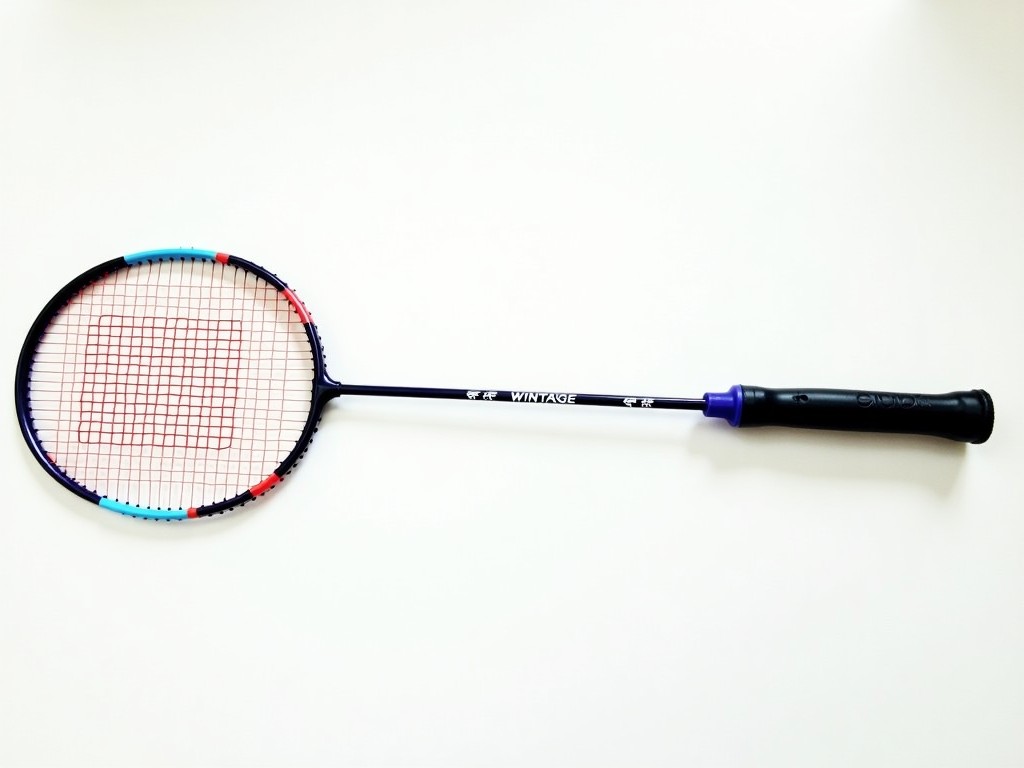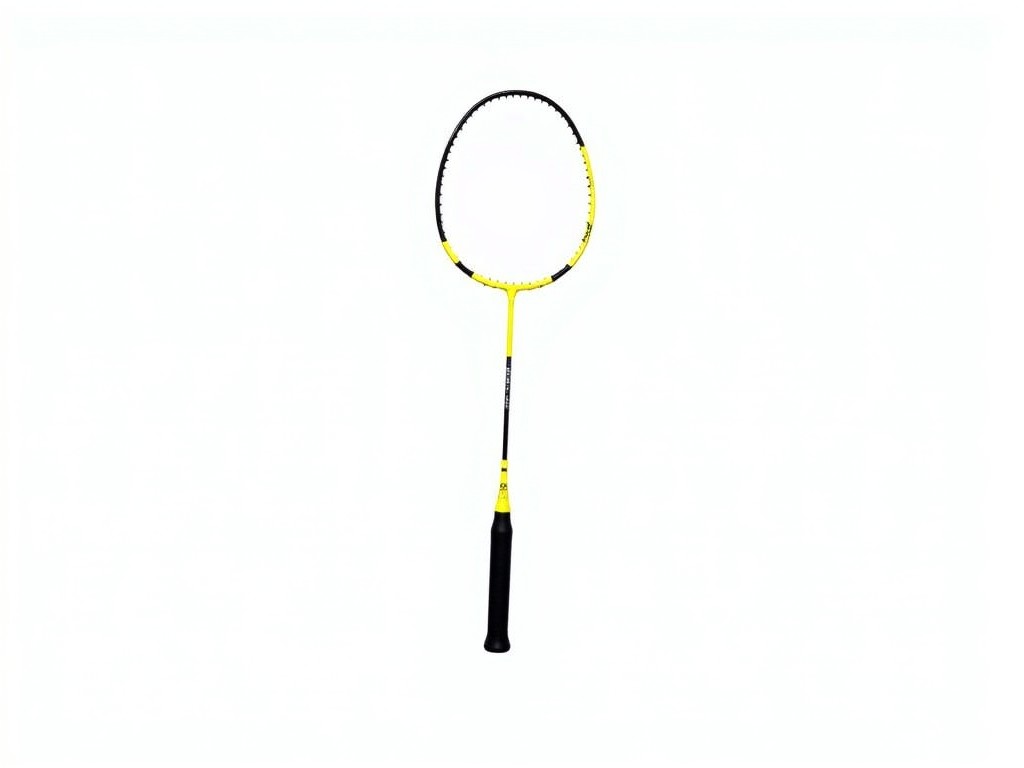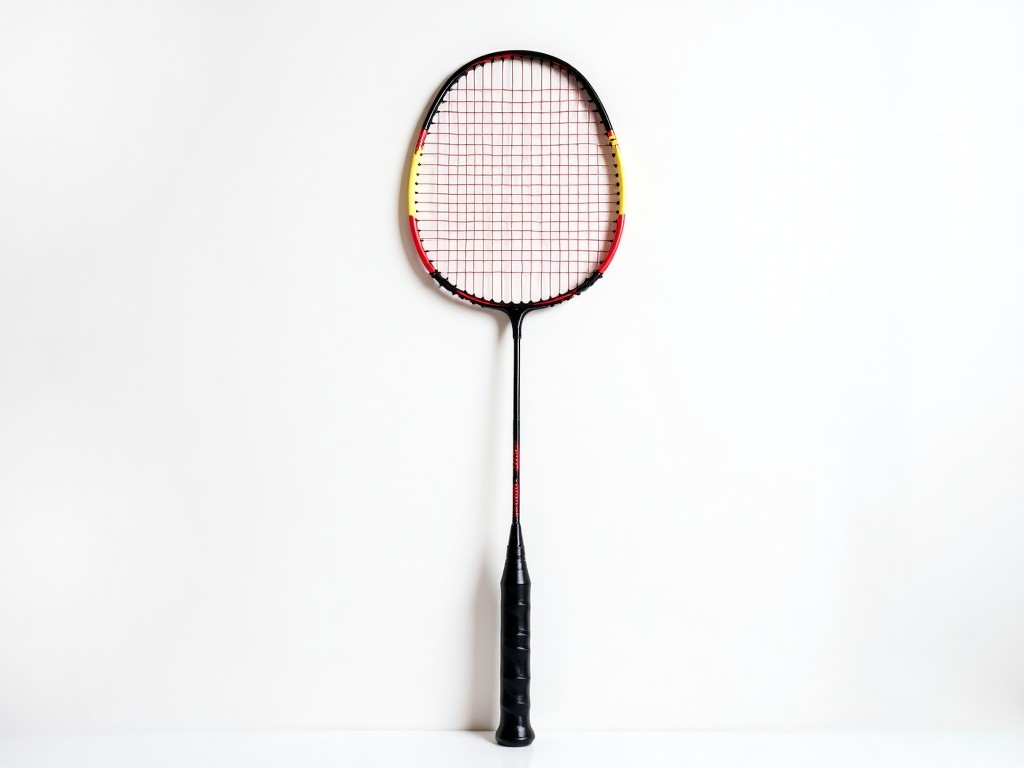
Custom Good Beginner Badminton Racket Company
This page outlines the mechanical and material characteristics of a badminton racket designed for novice players, focusing on how specific dimensions and construction choices affect swing dynamics,
Custom Beginner Badminton Racket – Engineering Overview
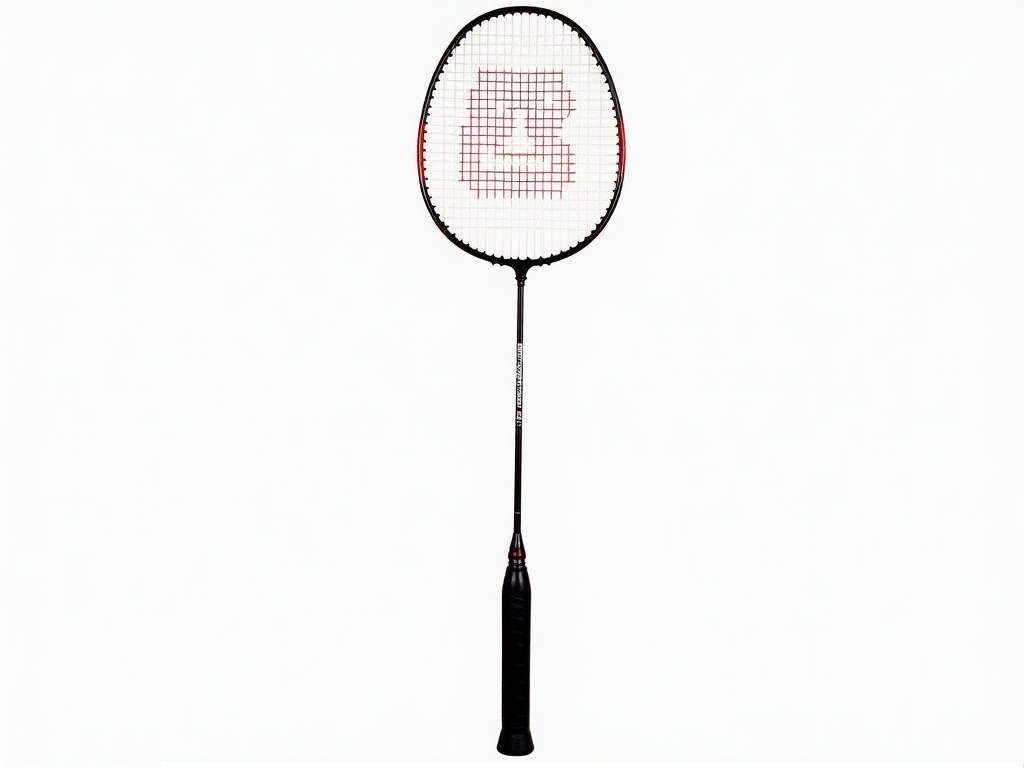
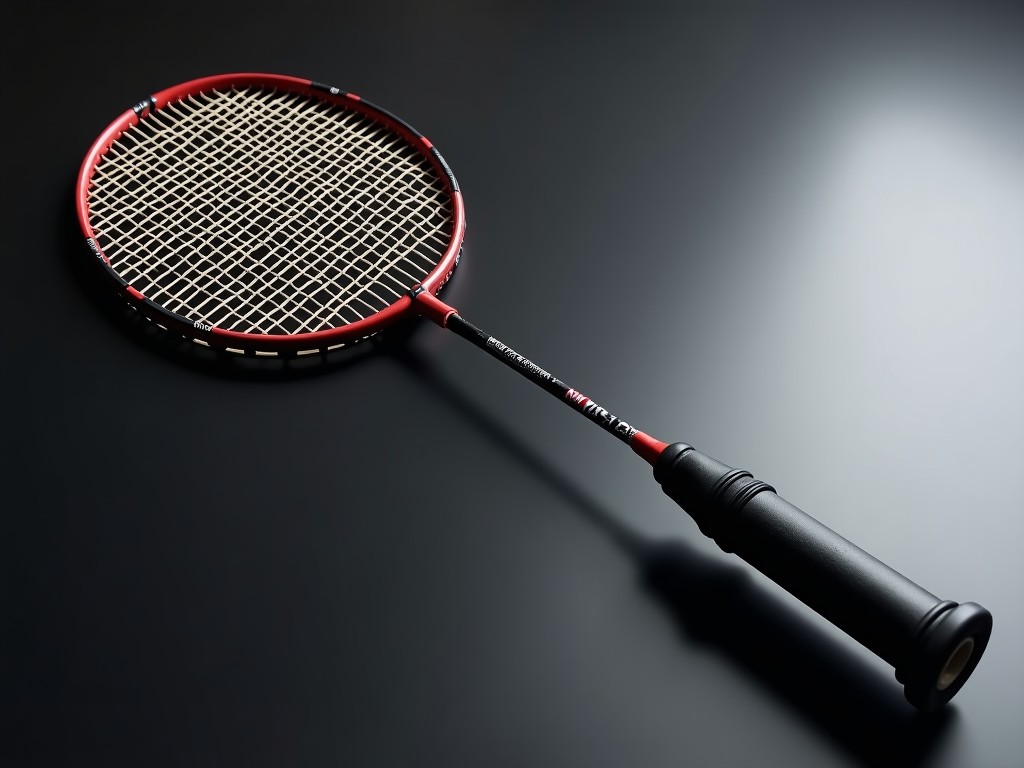
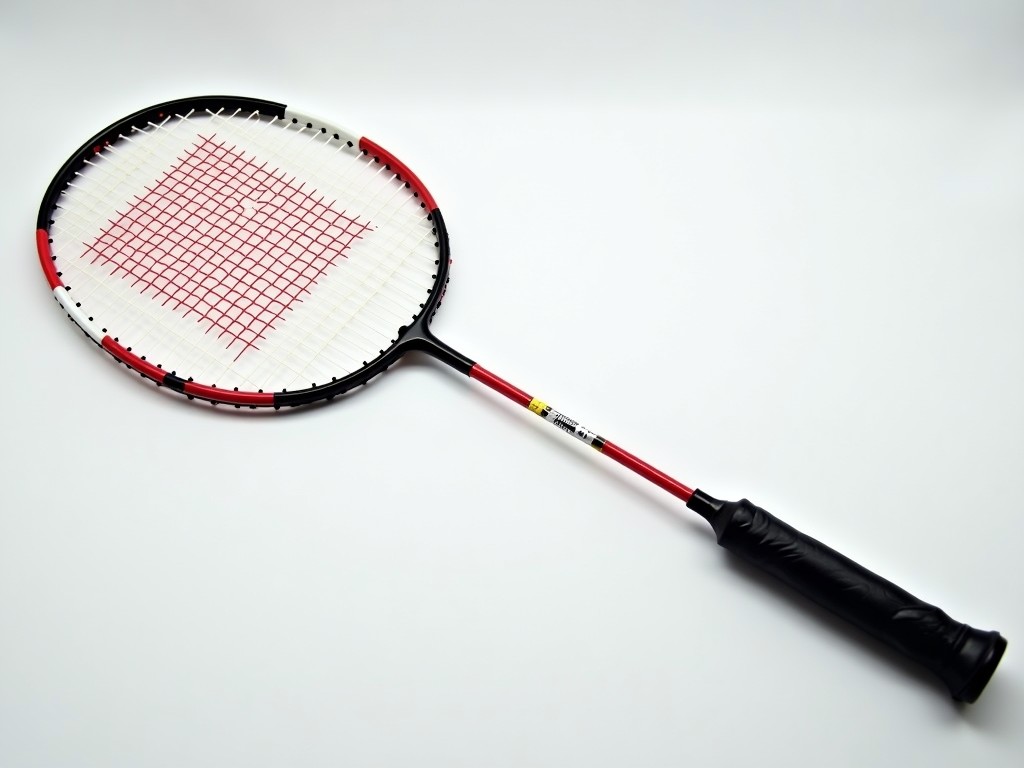
This page outlines the mechanical and material characteristics of a badminton racket designed for novice players, focusing on how specific dimensions and construction choices affect swing dynamics, shot consistency, and durability.
Key Technical Parameters
Typical rackets in this segment weigh between 78 and 85 grams when unstrung, with a balance point ranging from 280 to 300 mm from the handle end, providing a head‑light feel that reduces wrist fatigue.
Shaft stiffness is measured in the 6.0 to 7.5 range on a flexible‑to‑stiff scale, offering enough flex for power generation while maintaining control for beginners.
Typically the shaft uses a unidirectional graphite lay‑up to tune flex modulus by varying fiber angle relative to the shaft axis.
The isometric head size usually falls between 540 and 560 cm², enlarging the sweet spot and improving off‑center hit tolerance.
| Parameter | Typical Range | Adjustable Via |
|---|---|---|
| Weight (unstrung) | 78‑85 g | Frame material thickness, taper |
| Balance point | 280‑300 mm | Weight distribution (head‑light vs even) |
| Shaft stiffness | 6.0‑7.5 (flex index) | Graphite lay‑up, shaft diameter |
| Head size | 540‑560 cm² | Frame geometry |
| Length | 665‑675 mm | Standard; minor trimming for grip |
Material Selection and Construction
Frames are commonly fabricated from a graphite‑carbon composite woven in a 3K or 12K pattern, providing a tensile strength above 4 GPa while keeping density near 1.5 g/cm³.
Entry‑level models may incorporate an aluminum alloy reinforcement in the throat area to increase impact resistance without significantly raising overall mass.
Typically the shaft uses a unidirectional graphite lay‑up to tune flex modulus by varying fiber angle relative to the shaft axis.
Grip handles are made from PU‑foam wrapped in a synthetic leather overlay, with a standard circumference of 85 mm that can be increased or decreased in 2 mm increments.
Customization Options
- Weight adjustment via internal tungsten inserts (0.5 g increments) to shift balance toward head‑light or even.
- Grip size selection from 75 mm to 95 mm circumference, accommodating different hand sizes.
- String pattern choice: 16×19 for spin‑friendly feel or 18×20 for durability.
- Custom paint finishes (matte, gloss, metallic) and laser‑etched logo placement on the shaft or frame.
- Optional vibration dampening inserts made of silicone rubber placed at the 3 and 9 o’clock positions.
Applications and Use Cases
For beginners, a racket with a lower swing weight reduces the torque required to initiate a stroke, allowing longer practice sessions before forearm fatigue sets in.
Increased head size from an isometric design raises the likelihood of clean contact on off‑center hits, translating to fewer mishits and more consistent rally building during early skill development.
Durability considerations, such as reinforced throat joints and impact‑resistant grommets, extend the racket’s service life in communal club environments where rackets are frequently shared.
Quality Control and Testing
- Weight verification using a precision scale with ±0.1 g tolerance.
- Balance point measured on a calibrated fulcrum beam; acceptance window ±2 mm.
- Shock flex test: apply a 5 N load at the shaft midpoint and record deflection; target range 8‑12 mm.
- String tension holding test: racket strung at 24 lb, monitored for 24 h; allowable loss ≤0.5 lb.
- Visual inspection for paint uniformity, logo alignment, and grommet seating under 10× magnification.
Frequently Asked Questions
Can the weight be customized after production? Yes, internal tungsten inserts can be added or removed to adjust weight in 0.5 g steps without altering the frame geometry.
What information is required before a quotation? Desired weight range, grip circumference, preferred string pattern, and any cosmetic specifications such as color or logo artwork.
Which materials are available for the frame? Standard graphite‑carbon composite, with optional aluminum‑reinforced throat; alternative alloys are available upon request.
How is quality inspected? Each rack undergoes weight, balance, flex, tension retention, and visual checks as outlined in the QC section.
What packaging methods are used for export? Rackets are placed in individual PE foam sleeves, then packed in corrugated cartons with corner protectors; cartons are strapped and palletized for sea freight.
What is the typical production lead time? For standard configurations, lead time is 18‑22 working days; custom finishes may add 4‑6 days.
How are samples arranged? Sample units can be shipped via express courier after receipt of a signed sample agreement and payment of sampling fees.
Request a Quote or Sample
To discuss your specific requirements or to obtain a sample kit, please contact our engineering team. Provide the desired specifications listed above, and we will return a detailed quotation within two business days.