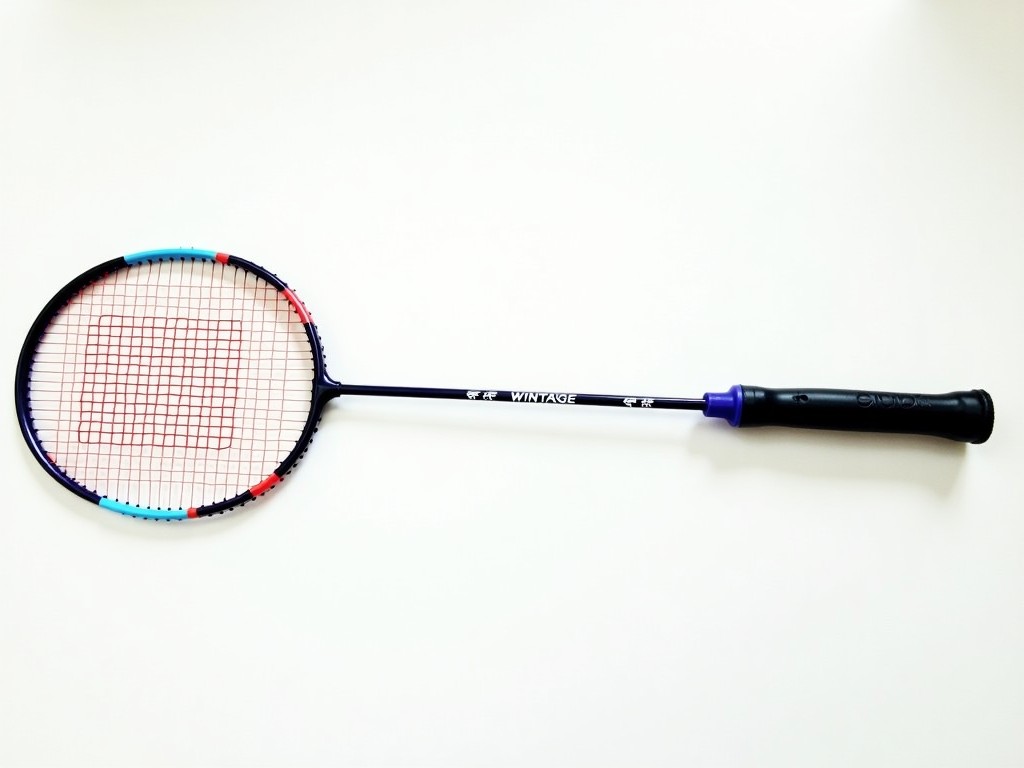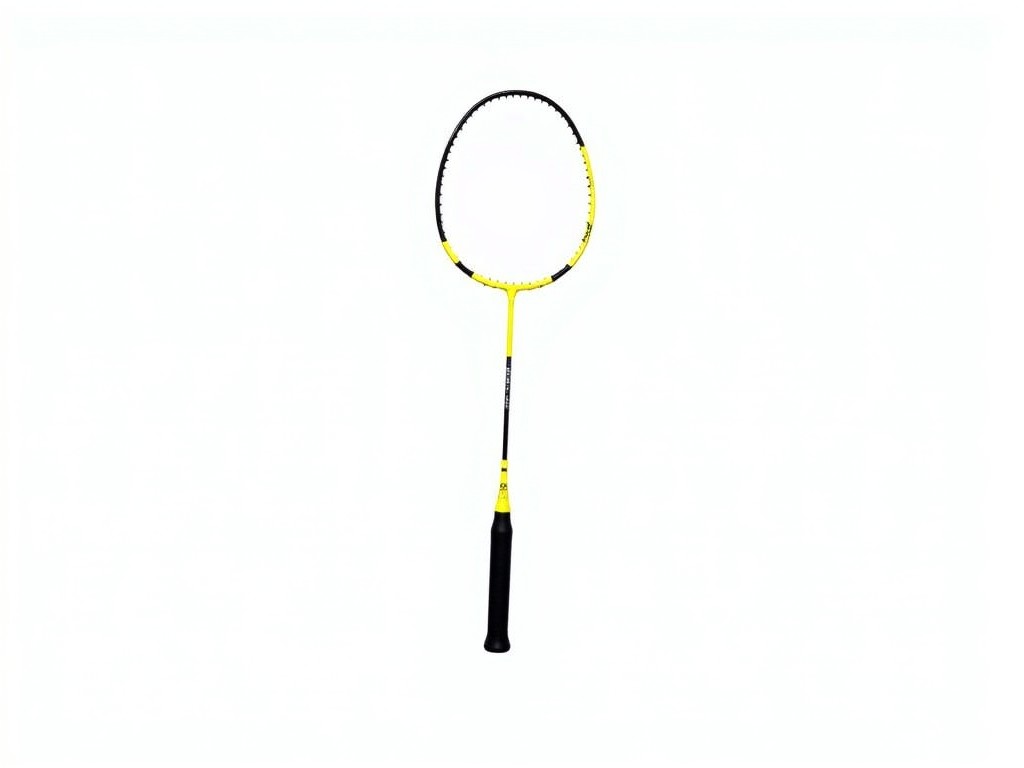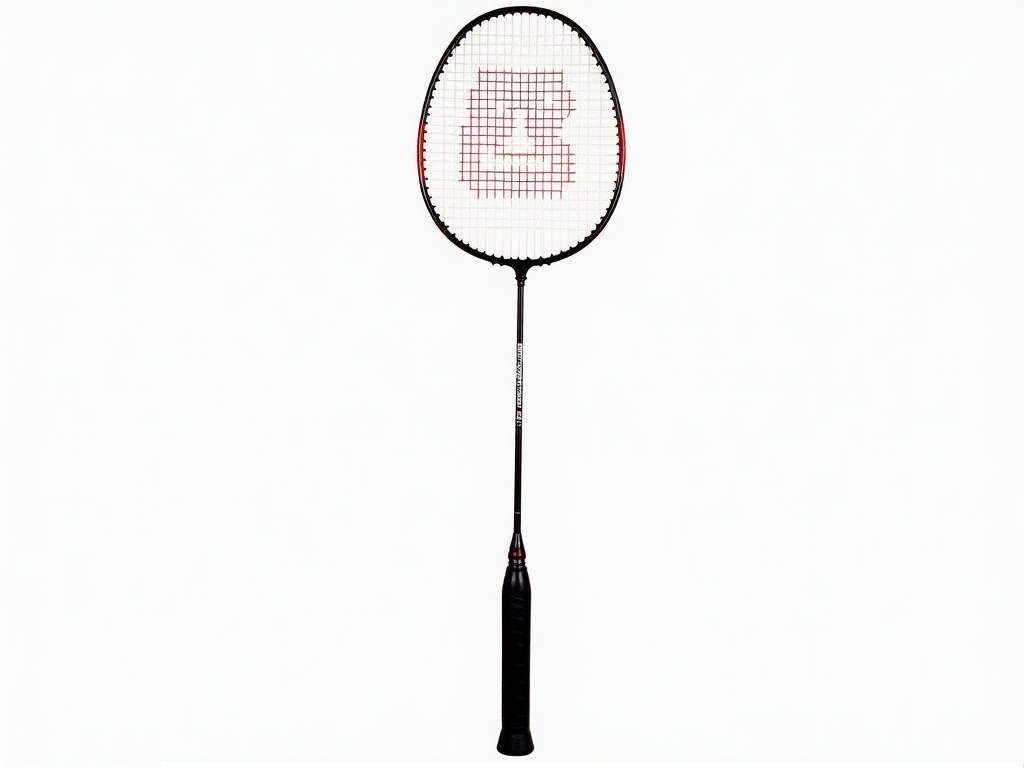
Custom Carbon Graphite Badminton Racket Supplier
Industrial buyers seeking performance‑tuned rackets require materials that combine high specific stiffness with low mass to achieve rapid swing speeds while maintaining shot stability. Carbon
Custom Carbon Graphite Badminton Racket Supplier
Industrial buyers seeking performance‑tuned rackets require materials that combine high specific stiffness with low mass to achieve rapid swing speeds while maintaining shot stability. Carbon graphite composites provide a tunable modulus of elasticity typically ranging from 230 GPa to 400 GPa depending on fiber orientation and resin system, enabling designers to adjust frame flex without adding weight.
Material Composition and Lay‑up
The racket shaft and hoop are constructed from unidirectional carbon fiber prepreg sheets woven into a quasi‑isotropic lay‑up. Typical fiber volume fraction lies between 55 % and 60 %, yielding a density of approximately 1.55 g/cm³. Resin selection influences glass transition temperature; epoxy systems with Tg ≈ 130 °C are common for indoor sport equipment, providing sufficient thermal stability during play.
Mechanical properties are directional: longitudinal tensile strength often exceeds 4 GPa, while transverse strength remains around 0.5 GPa. This anisotropy allows engineers to concentrate stiffness along the longitudinal axis for power transfer while retaining sufficient hoop dampening to reduce vibration transmission to the hand.
Design Characteristics Affecting Play
Swing weight, measured as the moment of inertia about the handle axis, typically falls between 78 kg·cm² and 85 kg·cm² for mid‑tension rackets. Lower swing speeds benefit from a higher balance point (head‑heavy) which raises the effective mass at impact, increasing shuttle velocity.
Frame stiffness is quantified by flexural modulus derived from three‑point bend testing; values of 45 GPa to 55 GPa correspond to a “medium‑stiff” feel, offering a compromise between control and repulsion. Damping capacity, expressed as loss factor, usually ranges from 0.02 to 0.04, influencing the feel of impact and reducing forearm fatigue.
Customization Options
- Fiber modulus selection: standard (230 GPa), intermediate (300 GPa), high (400 GPa) to adjust stiffness per player preference.
- Lay‑up symmetry: quasi‑isotropic for balanced response or anisotropic bias for directional flex tuning.
- Handle geometry: octagonal, rounded, or tapered profiles with girth ranging from 82 mm to 88 mm.
- Weight distribution: adjustable via internal weighting plugs (0.5 g to 2 g increments) to shift balance point.
- Surface finish: matte UV‑cured coating or low‑friction polyurethane for grip compatibility.
Manufacturing Process Overview
Prepreg sheets are cut to patterns derived from CAD models, then placed in a temperature‑controlled compression mold. Mold pressure typically ranges from 800 kPa to 1.2 MPa, with cure cycles of 120 °C for 60 minutes under nitrogen atmosphere to minimize oxidation. Post‑cure machining includes CNC milling of the handle slot and drilling of string holes to tolerances of ±0.05 mm.
Each frame undergoes a stress‑relief anneal at 150 °C for 30 minutes to reduce residual stresses that could cause warping over time. Final inspection includes ultrasonic C‑scan for delamination detection, with acceptance criteria of no reflectivity > ‑20 dB over a 5 mm² area.
Quality Control Inspection Points
| Inspection Item | Method | Acceptance Criteria |
|---|---|---|
| Fiber volume fraction | Acid digestion + gravimetric analysis | 55 %–60 % |
| Flexural modulus | Three‑point bend (ASTM D790) | 45 GPa–55 GPa (medium‑stiff) |
| Mass | Analytical balance (±0.01 g) | Target ±0.5 g of nominal |
| Swing weight | Pendulum method (ISO 9001) | 78–85 kg·cm² |
| Delamination | Ultrasonic C‑scan | No reflectivity > ‑20 dB over 5 mm² |
Typical Applications in Badminton Equipment
Carbon graphite frames are selected for competitive rackets where rapid acceleration and precise shot placement are critical. The high specific stiffness enables players to generate greater shuttle velocity with less muscular effort, reducing fatigue during prolonged rallies. Additionally, the material’s internal damping characteristics help mitigate vibration transmission, lowering the risk of elbow strain associated with repeated impact.
For training rackets, a slightly lower modulus fiber (≈ 230 GPa) paired with a thicker lay‑up yields a more forgiving feel, assisting beginners in developing timing without excessive recoil. Custom weight distribution options allow coaches to simulate match‑conditions by adjusting balance points to emulate specific player styles.
Frequently Asked Questions
- Can dimensions be customized? Yes, frame length, head width, and handle girth can be adjusted within standard tolerances (±1 mm) based on CAD input.
- What information is required before quotation? Desired weight range, balance point preference, target swing speed, and any specific finish or branding requirements.
- Which material grades are available? Standard (230 GPa), intermediate (300 GPa), high (400 GPa) carbon fiber modulus, with resin systems selectable for Tg between 120 °C and 150 °C.
- How is quality inspected? Incoming fiber verification, in‑process lay‑up inspection, post‑cure ultrasonic C‑scan, and final dimensional & mechanical testing as outlined in the QC table.
- What packaging methods are available? Individual rackets placed in corrugated inserts with foam corner protection, then packed in export‑grade cartons (≤ 12 kg per box) or palletized for bulk shipments.
- What is the typical production lead time? Prototype samples within 10‑15 working days; production runs of 500 units typically 25‑30 working days, dependent on tooling availability.
Get a Technical Quote
Our engineering team reviews your performance targets, material preferences, and volume requirements to deliver a detailed quotation that includes tooling costs, unit pricing, and lead‑time estimates. Provide your specifications via the contact form to initiate a feasibility review.