China Badminton Racket For Sale
This racket is designed for competitive play and training, featuring a unstrung weight range of 80–88 grams and a balance point adjustable between 285 mm and 300 mm from the handle end. The frame
China Badminton Racket for Sale
Product Overview
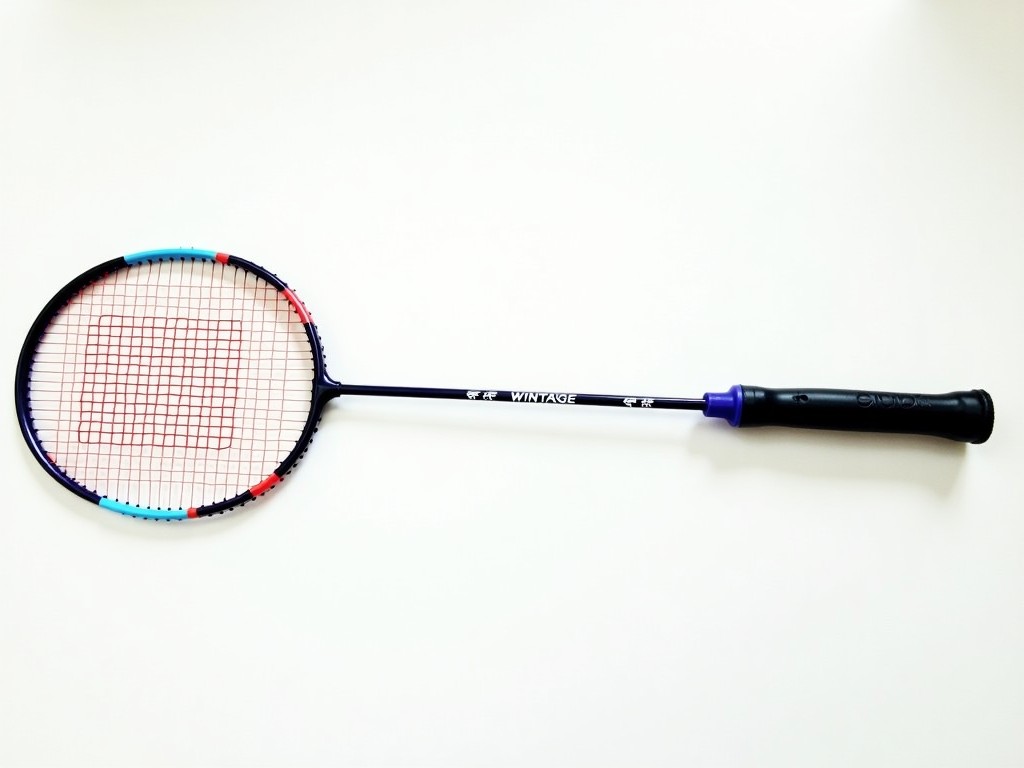
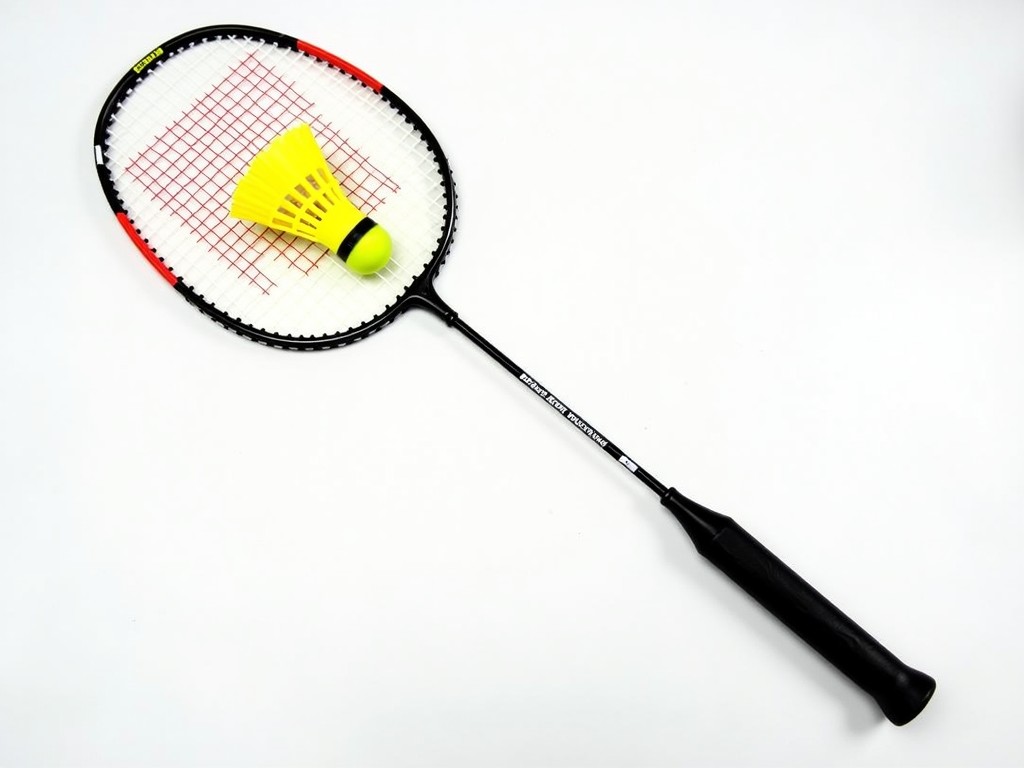
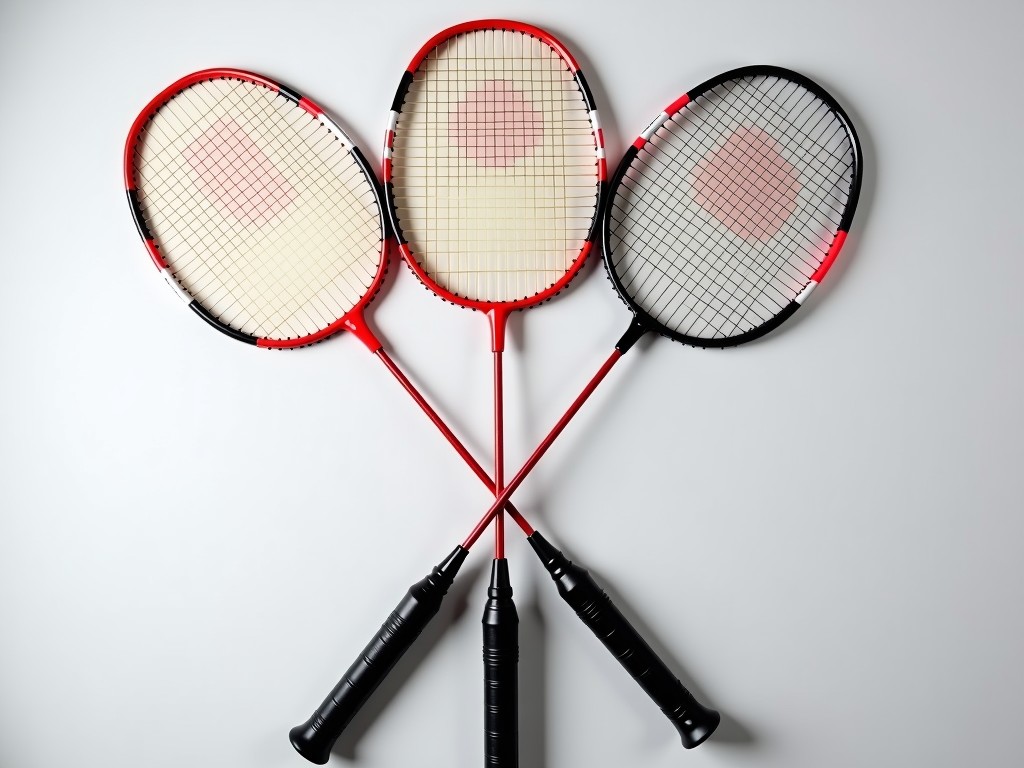
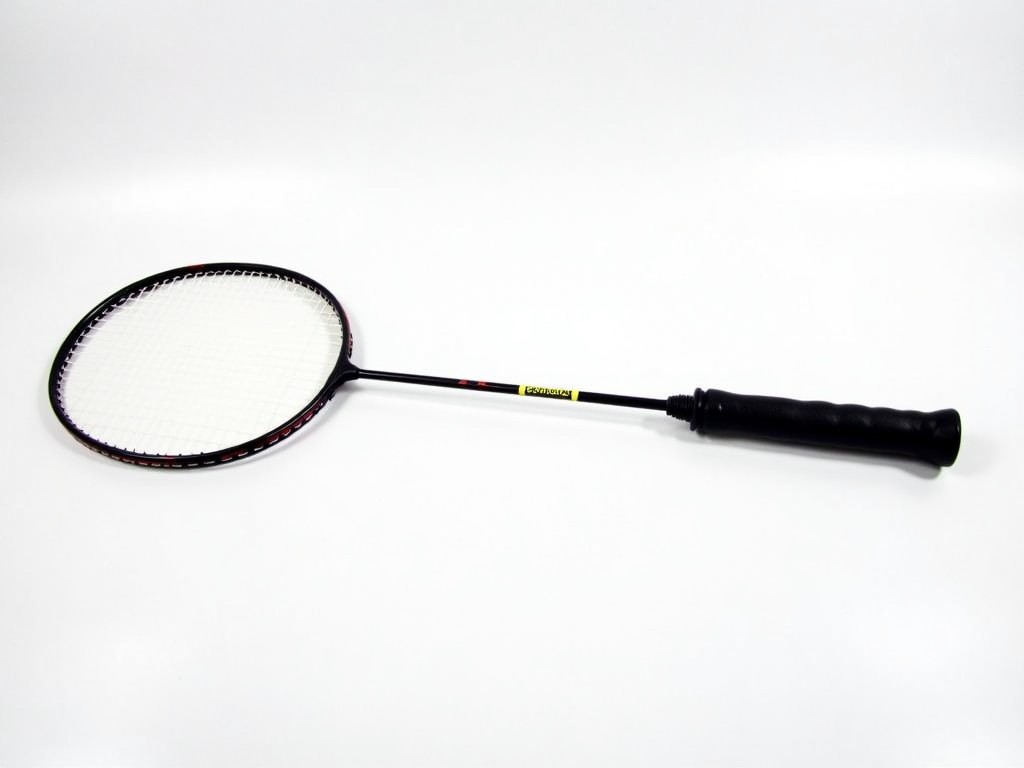
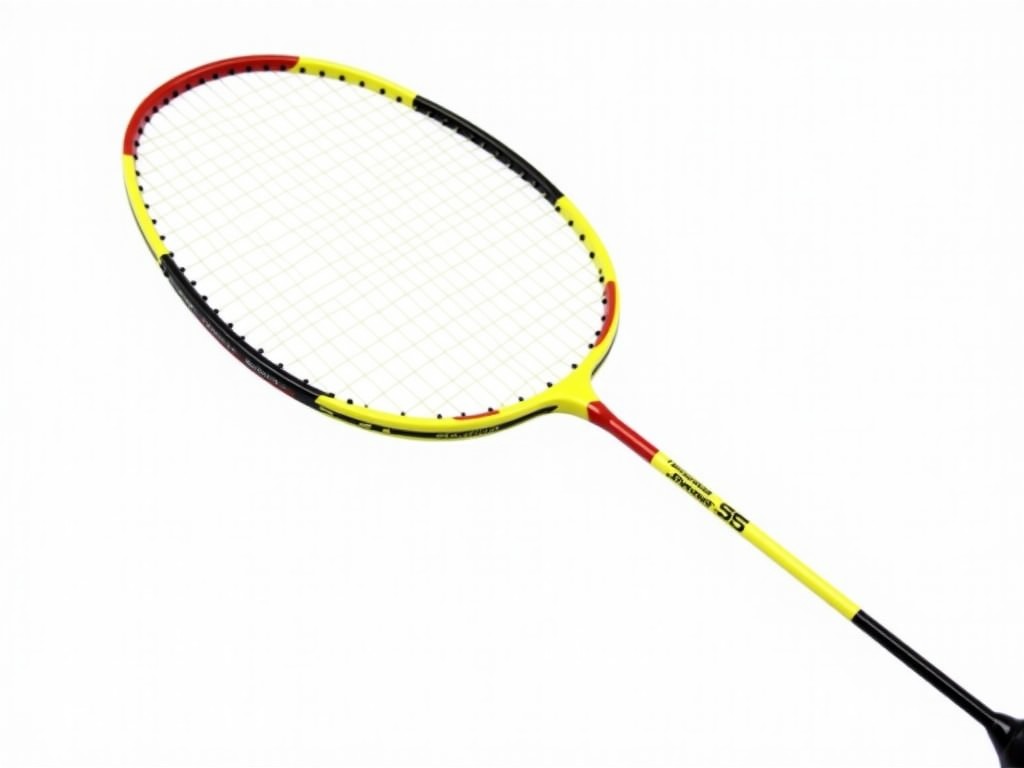
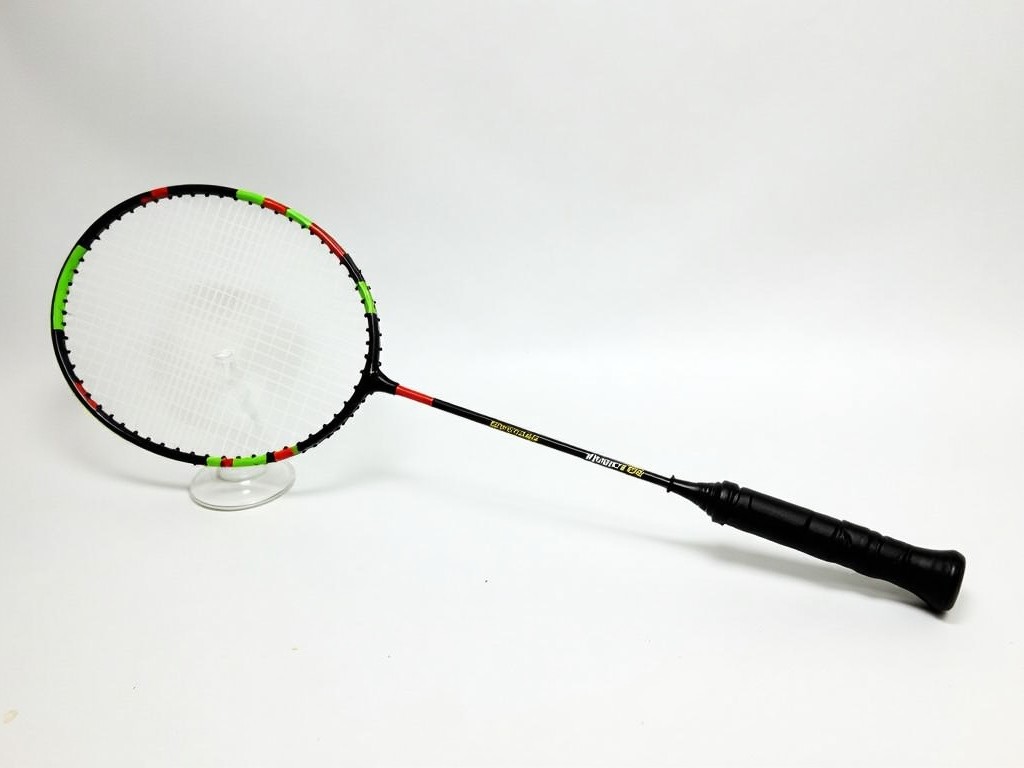
This racket is designed for competitive play and training, featuring a unstrung weight range of 80–88 grams and a balance point adjustable between 285 mm and 300 mm from the handle end. The frame length follows the Badminton World Federation standard of 680 mm total length, ensuring compatibility with official tournament rules.
Frame Construction and Materials
The frame uses a high‑modulus carbon‑fiber layup with a tensile modulus of approximately 230 GPa, providing a stiffness‑to‑weight ratio that supports rapid shuttle‑cock acceleration. Outer layers incorporate a woven graphite‑kevlar hybrid to improve impact resistance, measured by a Charpy impact test averaging 4.2 J mm⁻².
Layer thickness is controlled to ±0.02 mm during the prepreg layup, and the frame undergoes a vacuum‑bagged autoclave cure at 180 °C for 90 minutes, resulting in a void content below 0.5 % as verified by ultrasonic inspection.
Shaft Design and Flex Characteristics
The shaft is a tapered, uni‑directional carbon‑fiber tube with an outer diameter that reduces from 10 mm at the throat to 6 mm at the tip, delivering a progressive flex profile. Flex rating, measured by a three‑point bend test, falls within 7.5–8.5 mm deflection at a 5 N load, classifying the racket as medium‑stiff suitable for all‑court players.
Swing weight, determined via a pendulum method, averages 2.85 × 10⁻⁴ kg·m², offering a balance between maneuverability and power generation during smashes.
String Bed and Grommet System
The racket accommodates a 22 × 22 string pattern, allowing tensions from 20 lb to 30 lb (9–13.5 kg) without frame deformation. Grommets are injection‑molded from thermoplastic polyurethane (TPU) with a shore hardness of 95A, providing abrasion resistance and consistent string movement.
String hole diameter is precision‑drilled to 0.8 mm ±0.02 mm, ensuring minimal friction and maintaining tension stability over extended play sessions.
Manufacturing Process
Production begins with computer‑numerically controlled (CNC) cutting of prepreg sheets to within ±0.1 mm tolerance, followed by automated layup on a mandrel that matches the final frame geometry. The mandrel is rotated at 150 rpm during resin infusion to achieve uniform fiber distribution.
After curing, frames undergo a CNC machining step to trim excess material and drill string holes, with positional accuracy verified by a coordinate‑measuring machine (CMM) to ±0.05 mm. Final polishing uses a silicon carbide abrasive belt to achieve a surface roughness Ra < 0.8 µm.
Quality Assurance and Testing
Each racket is weighed on a analytical balance with readability of 0.01 g; accepted weight tolerance is ±0.5 g from the target specification. Balance point is measured using a pivot‑and‑scale method, with acceptance limits of ±2 mm.
Fatigue endurance is evaluated by subjecting the racket to 5 000 shuttle‑cock impacts at 30 m/s using a pneumatic impact rig; frames must show no delamination or crack propagation exceeding 0.3 mm in length. Additionally, a torsional twist test limits angular deformation to under 1.5° under a 2 Nm torque.
Typical Applications
Club players benefit from the medium‑stiff shaft, which offers sufficient rebound for defensive lifts while retaining control for net play. The balanced weight distribution supports rapid wrist action, reducing fatigue during extended training sessions.
Coaches select this model for junior development programs because the adjustable balance allows customization as players grow, ensuring the racket remains appropriate for changing strength levels without requiring frequent replacement.
Recreational players appreciate the durable TPU grommets and high‑modulus frame, which maintain performance consistency even with occasional off‑center hits, thereby lowering the total cost of ownership over a season.
| Specification | Typical Value / Range |
|---|---|
| Frame Material | High‑modulus carbon‑fiber / graphite‑kevlar hybrid |
| Unstrung Weight | 80–88 g |
| Balance Point (from handle) | 285–300 mm |
| Shaft Flex (deflection @ 5 N) | 7.5–8.5 mm |
| String Pattern | 22 × 22 |
| Recommended Tension | 20–30 lb (9–13.5 kg) |
| Grommet Material | TPU, Shore 95A |
| Length (total) | 680 mm (BWF standard) |
Customization Options
Weight can be fine‑tuned by adjusting the resin content in the outer plies, allowing a ±2 g variation without affecting structural integrity. Balance point customization is achieved through strategic placement of lightweight foam inserts in the handle, offering a shift of up to ±5 mm.
Grip size options range from G2 to G5, measured by the circumference of the handle taper, and can be supplied with either a synthetic PU overgrip or a natural leather wrap. Cosmetic finishes include matte, gloss, or UV‑coated paint layers, with thickness controlled to 15–25 µm for uniform appearance.
Logo or branding can be applied via pad printing or laser etching, with registration tolerance of ±0.1 mm to ensure alignment with predefined graphics. All customizations are subject to a minimum order quantity of 200 units per variant.
Ordering and Lead Time
Sample units are produced within 7‑10 working days after receipt of approved artwork and specifications, shipped via express courier with protective foam padding and corrugated cardboard cartons. Production lead time for orders exceeding the MOQ is typically 20‑25 days, depending on the selected finish and any additional testing requirements.
Payment terms follow standard industry practice: 30 % deposit upon order confirmation, balance payable against copy of bill of lading. All quotations are FOB Ningbo or Shanghai, with insurance and freight arranged upon request.
Frequently Asked Questions
- Can dimensions be customized?
- Yes, frame length, handle taper, and head shape can be adjusted within BWF limits; custom tooling may apply for deviations beyond standard tolerances.
- What information is required before quotation?
- Target weight, balance point, preferred flex rating, grip size, finish type, logo artwork, and order quantity.
- What materials are available for the frame?
- Standard high‑modulus carbon‑fiber, graphite‑kevlar hybrid, and optional boron‑reinforced plies for increased stiffness.
- How is quality inspected?
- Dimensional CMM checks, weight and balance verification, impact fatigue testing, and visual inspection for surface defects under 10× magnification.
- What packaging methods are available?
- Individual rackets in low‑density polyethylene bags, placed in corrugated master cartons with corner protectors; palletization available for bulk shipments.
- How are export shipments protected?
- Cartons are strapped and stretch‑wrapped; moisture‑absorbent packets are included to prevent condensation during transit.
- What is the typical production lead time?
- 20‑25 days after sample approval and deposit receipt, subject to finish complexity.
- How are samples arranged?
- Samples are dispatched via express courier with tracking; charges are credited against the first order if the customer proceeds to purchase.
For detailed technical data sheets, sample requests, or to discuss specific customization needs, please contact our sales team.
Request Quotation