Best Price Ball Badminton Graphite Racket For Sale
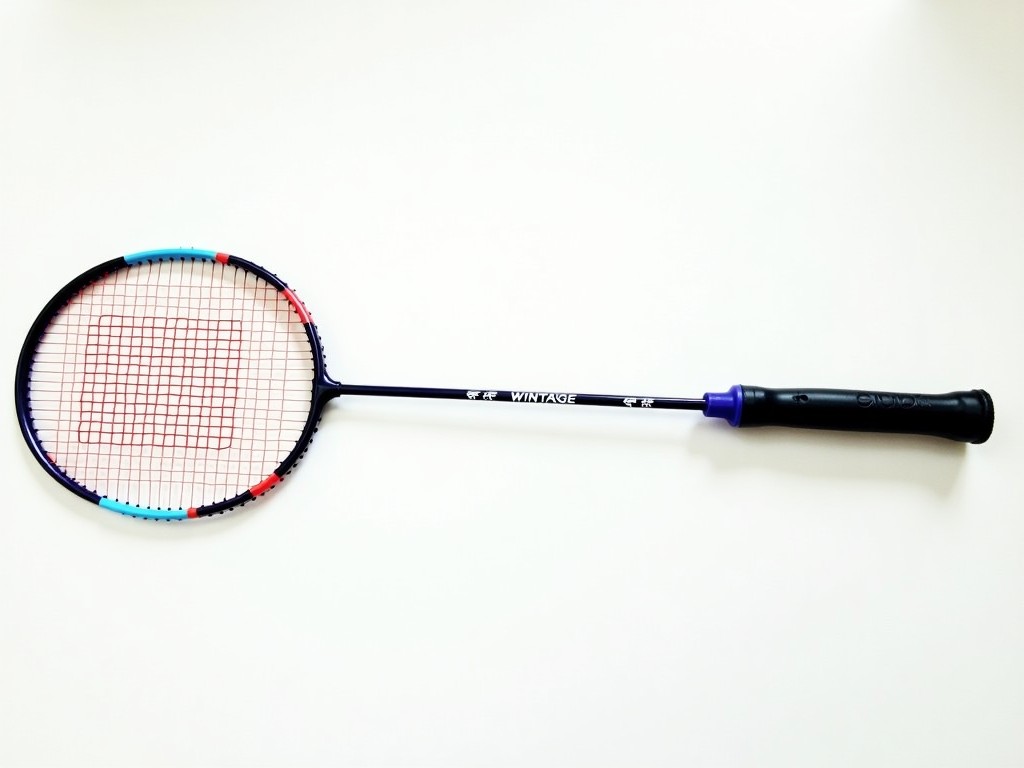
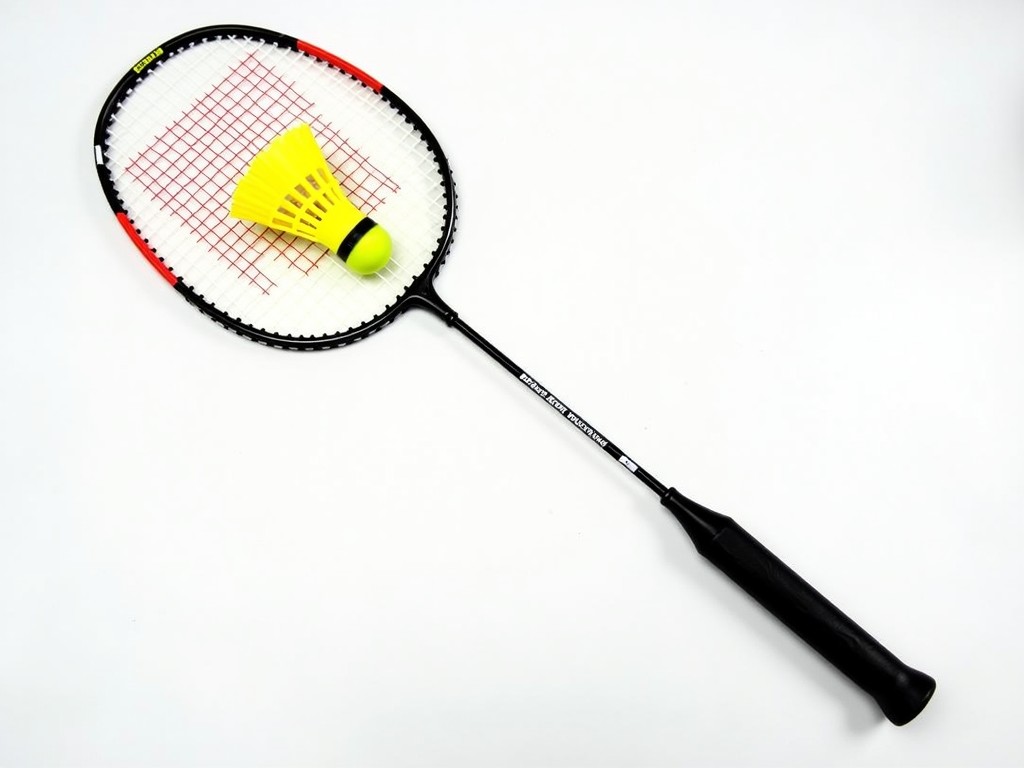
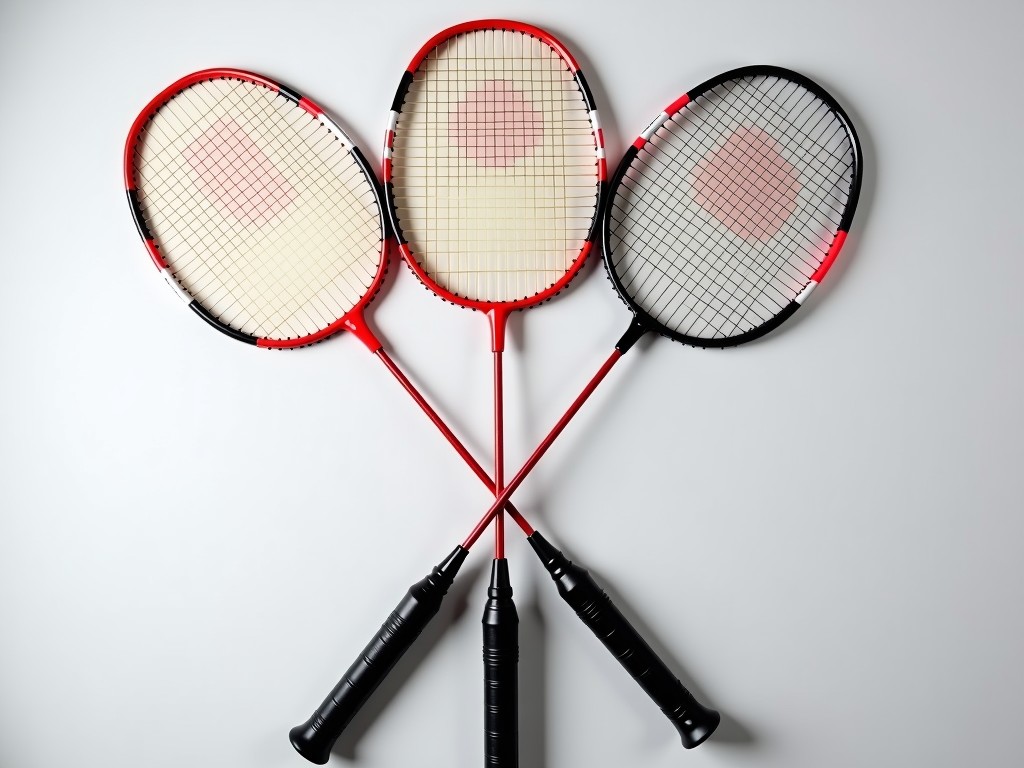
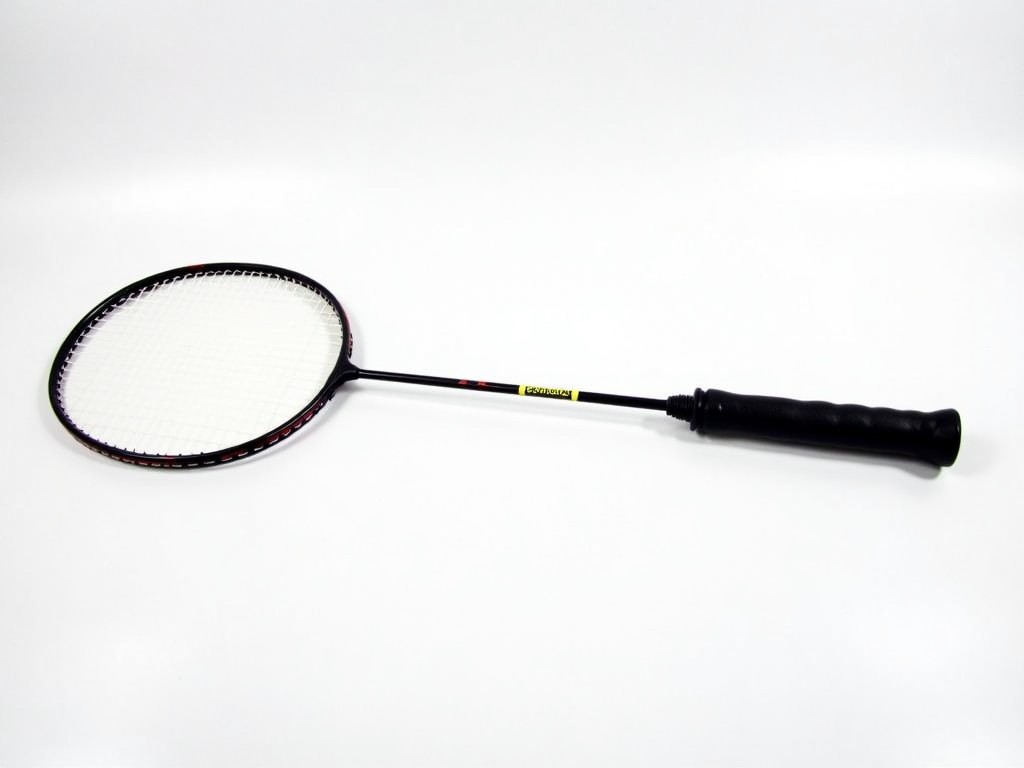
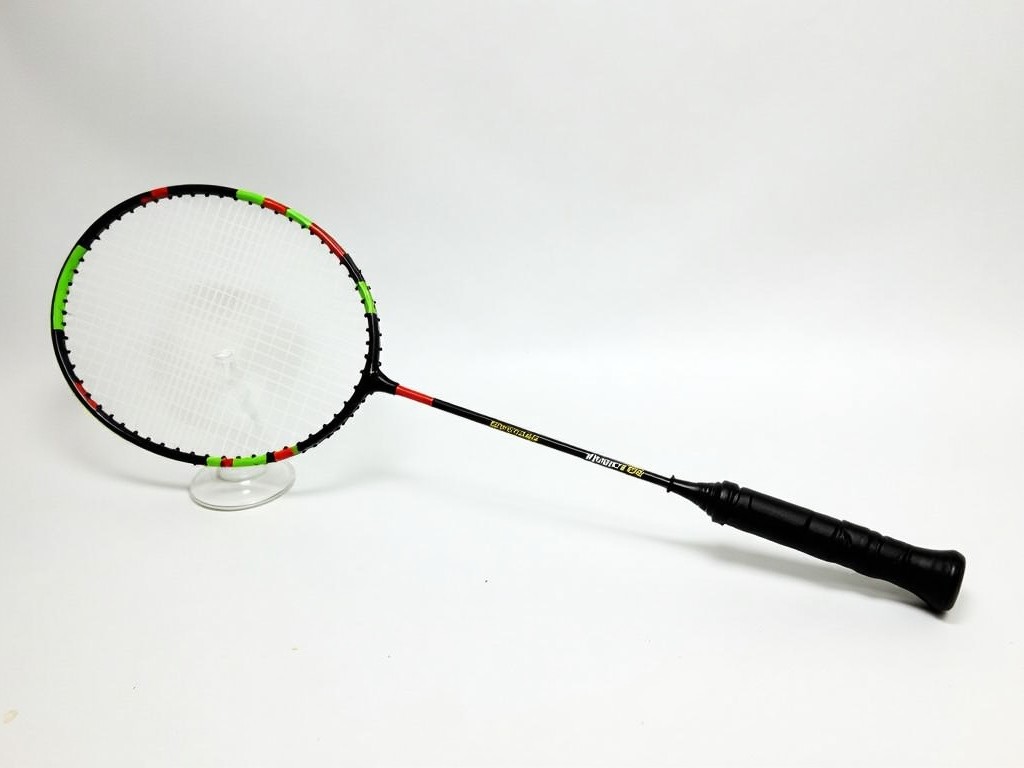
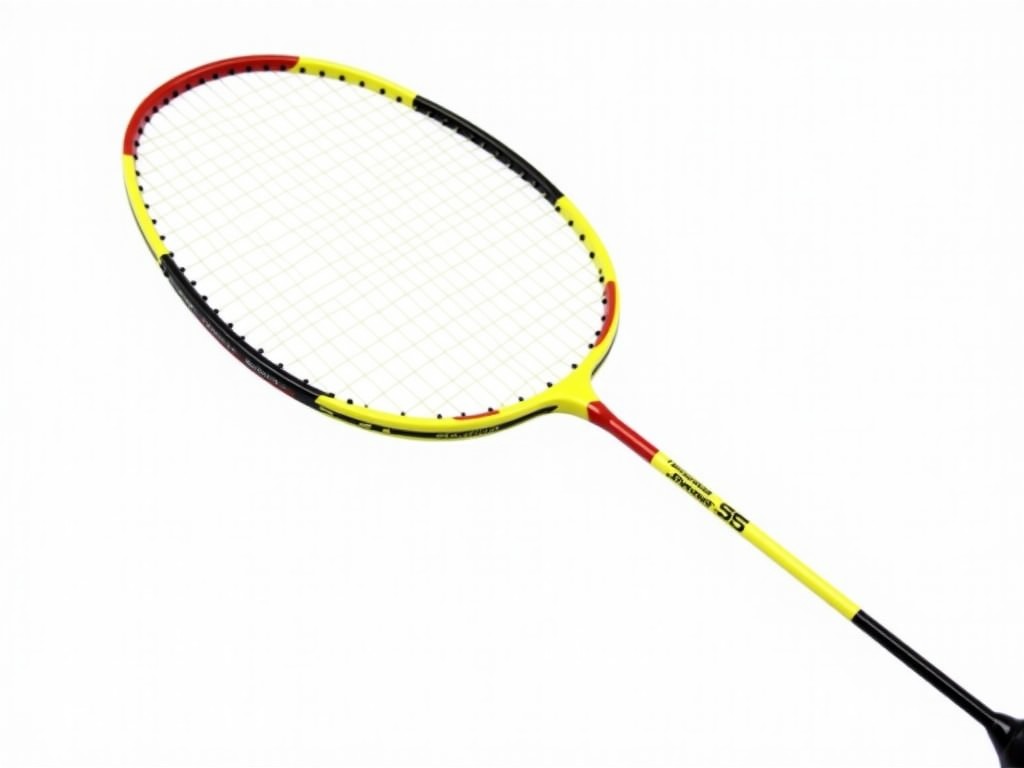
Ball badminton rackets are designed to withstand high‑impact shuttle strikes while providing precise control over shot placement. The graphite construction offers a high stiffness‑to‑weight ratio,
Best Price Ball Badminton Graphite Racket for Sale
Overview
Ball badminton rackets are designed to withstand high‑impact shuttle strikes while providing precise control over shot placement. The graphite construction offers a high stiffness‑to‑weight ratio, allowing rapid swing speeds without excessive player fatigue. This product targets cost‑sensitive buyers who still require performance‑grade specifications for club‑level or recreational play.
Key Technical Characteristics
Typical weight ranges from 80 g to 90 g when strung, measured with a digital balance to ±0.5 g. The balance point lies approximately 285 mm from the butt cap, giving a slightly head‑heavy feel that aids power generation in clear shots. Shaft flex is classified as medium, corresponding to a flexural modulus of roughly 230 GPa for the graphite laminate.
String bed area is usually 0.055 m², with a recommended tension range of 9 kg to 11 kg (20 lb to 24 lb). The grip circumference is standardized at 3.5 in (89 mm) to accommodate common overgrips. These values are typical for mass‑produced graphite rackets and can vary based on specific layup designs.
Material Composition and Construction
The frame utilizes a unidirectional graphite prepreg with a tensile strength of about 4.5 GPa, woven in a 0°/90° orientation to resist torsional twist during off‑center impacts. A thin layer of polyurethane coating is applied to the outer surface for abrasion resistance and to reduce moisture absorption.
The shaft incorporates a tapered design, decreasing diameter from 10 mm at the throat to 6 mm at the tip, which improves aerodynamic drag and enhances maneuverability. The joint between shaft and frame uses a heat‑set epoxy joint, tested for shear strength exceeding 15 MPa under cyclic loading.
Performance Attributes
Due to the high modulus graphite, the racket exhibits a natural frequency of approximately 150 Hz, contributing to a crisp feel upon impact. Energy transfer efficiency, measured as the ratio of outgoing shuttle velocity to incoming swing speed, typically falls between 0.55 and 0.60 for intermediate players.
Vibration damping is achieved through the graphite’s inherent internal friction, resulting in a transient vibration decay time of less than 30 ms after impact. This reduces arm fatigue during prolonged play sessions.
Applications in Ball Badminton
Ball badminton involves rapid rallies with a wool ball weighing approximately 22 g, requiring rackets that can sustain repetitive high‑frequency impacts without frame deformation. The described graphite construction maintains frame integrity over 10 000+ impact cycles at speeds up to 30 m/s, making it suitable for club matches and training sessions.
The slightly head‑heavy balance assists players in generating lift for high clears, while the medium flex provides sufficient touch for drop shots and net play. These characteristics align with the technical demands of both singles and doubles formats.
Quality Assurance and Testing
Each racket undergoes a visual inspection for surface defects, followed by a dimensional check of length, width, and thickness using calibrated calipers with ±0.05 mm tolerance. A dynamic impact test simulates 500 shuttle strikes at 25 m/s; any frame exhibiting cracks or delamination beyond 0.2 mm depth is rejected.
String tension is verified with a calibrated tension meter, ensuring the final bed tension stays within ±0.5 kg of the target value. Batch sampling includes a flexural test where a three‑point bend load of 20 N is applied; deflection must remain under 2 mm to confirm adequate stiffness.
Customization Options
- Grip size adjustment from 3.25 in to 3.75 in via pallet replacement
- Alternative butt cap materials: rubber, silicone, or leather
- Custom paint finishes: matte, gloss, or metallic with optional team logos
- String pattern variations: 16×19, 18×20, or 20×21 for differing control‑power balances
- Weight tuning through addition of weighted tape at the 3 and 9 o’clock positions
These options are available upon request and may affect lead time and unit cost depending on the selected specifications.
Typical Specifications
| Parameter | Typical Value | Unit |
|---|---|---|
| Weight (strung) | 80‑90 | g |
| Balance point | 285 | mm from butt |
| Shaft flex | Medium | – |
| Recommended string tension | 9‑11 | kg |
| Frame material | Unidirectional graphite | – |
| Grip circumference | 3.5 | in |
Values represent typical production tolerances; actual measurements may vary based on specific lot and customization.
Frequently Asked Questions
Can the racket be customized for different weight balances? Yes, weight distribution can be adjusted by adding or removing tape at specific frame locations or by selecting alternative butt cap materials.
What information is required for a quotation? Required details include desired quantity, grip size, string tension preference, any custom graphics, and delivery destination.
How is quality inspected before shipment? Each unit undergoes visual, dimensional, impact, and tension verification as outlined in the quality assurance section.
What is the typical lead time? Standard lead time ranges from 2 to 4 weeks depending on order size and customization complexity.
Contact for Inquiry
To obtain a detailed quotation or discuss specific application requirements, please reach out via the contact form.
Request Quotation