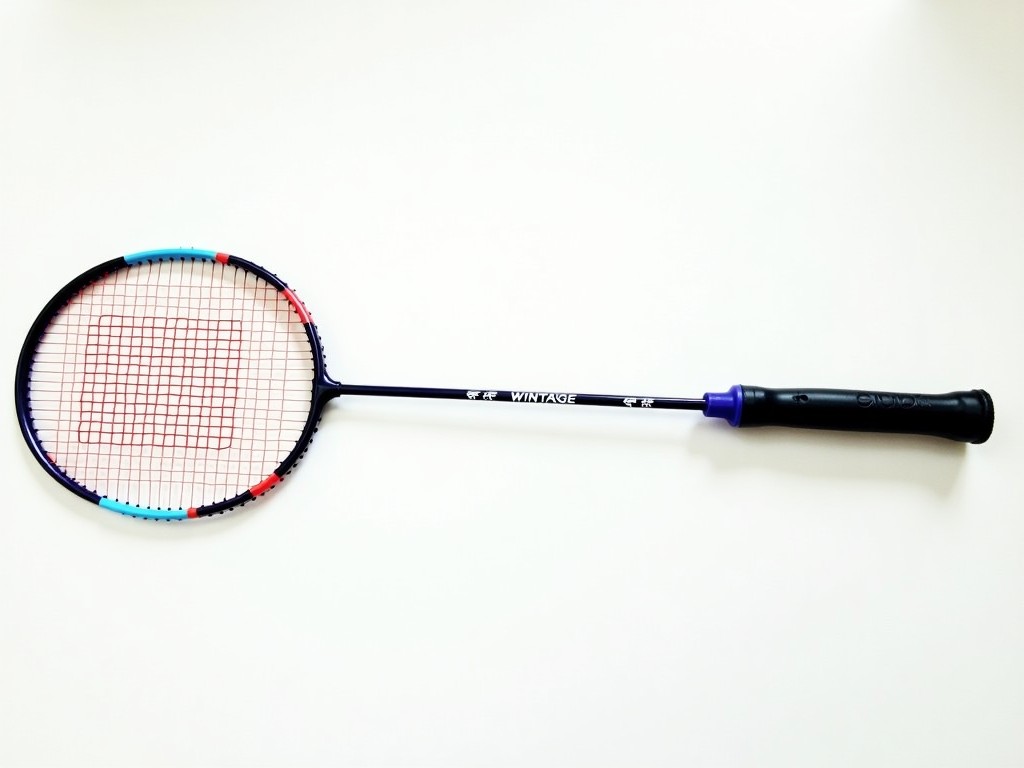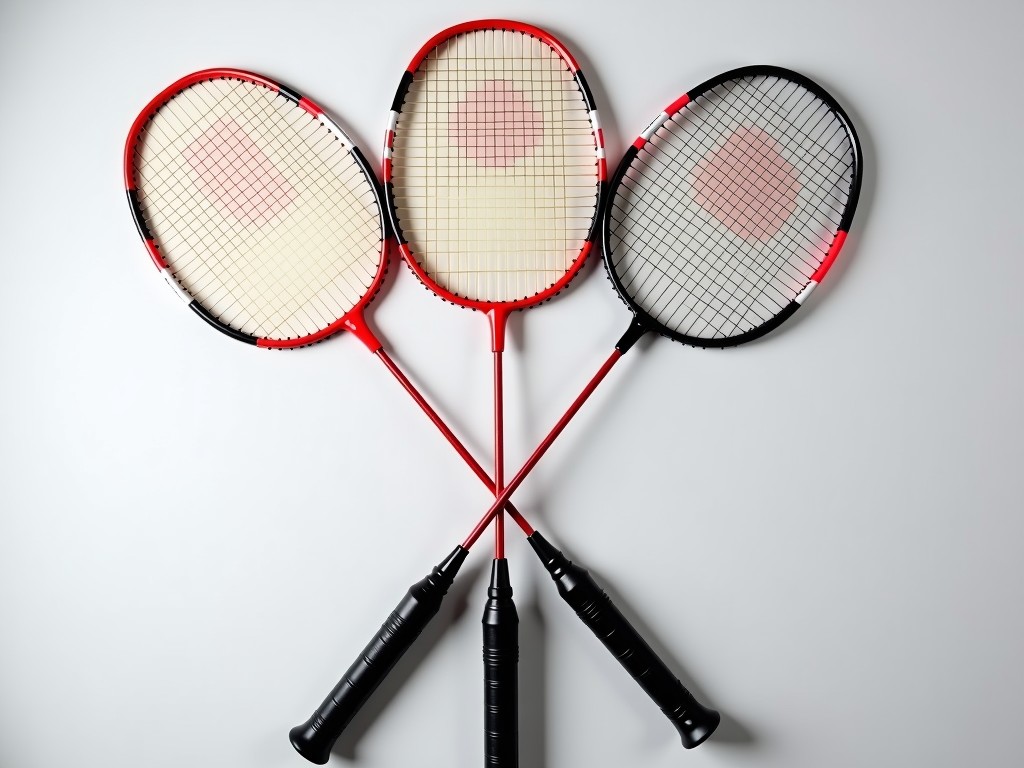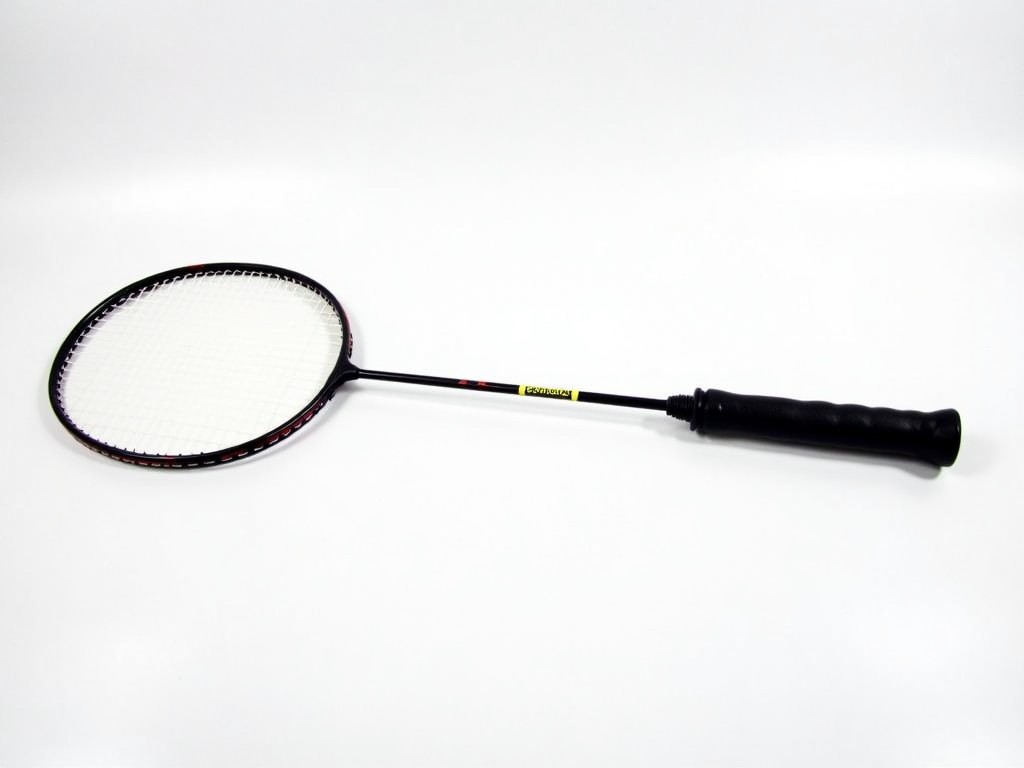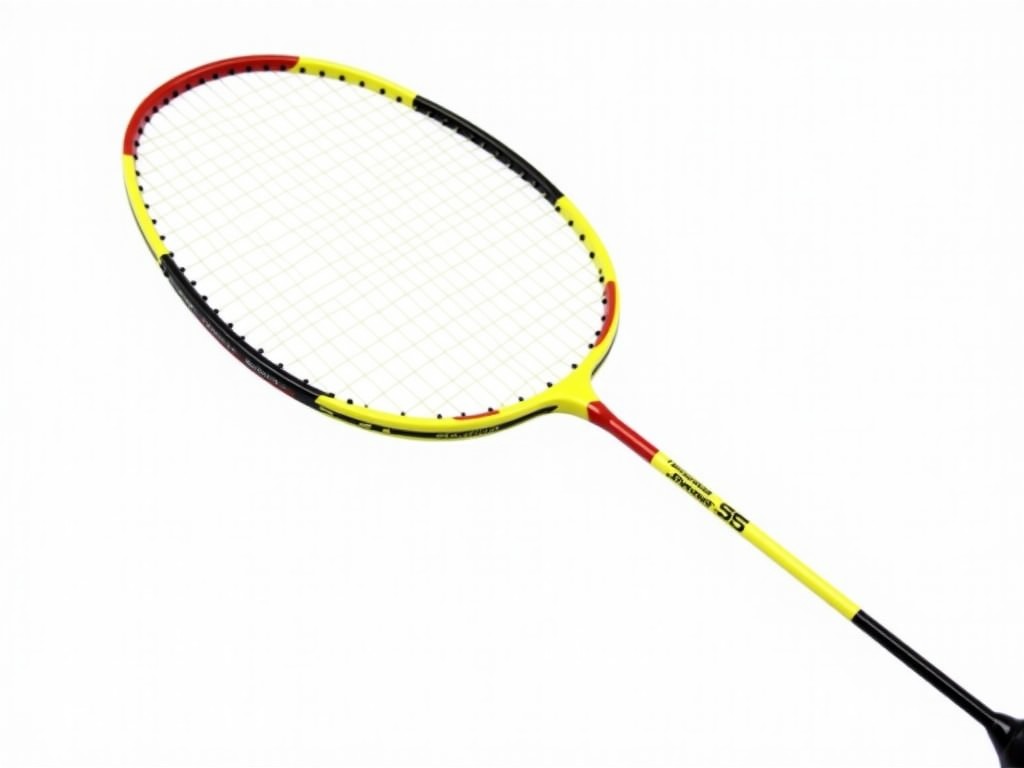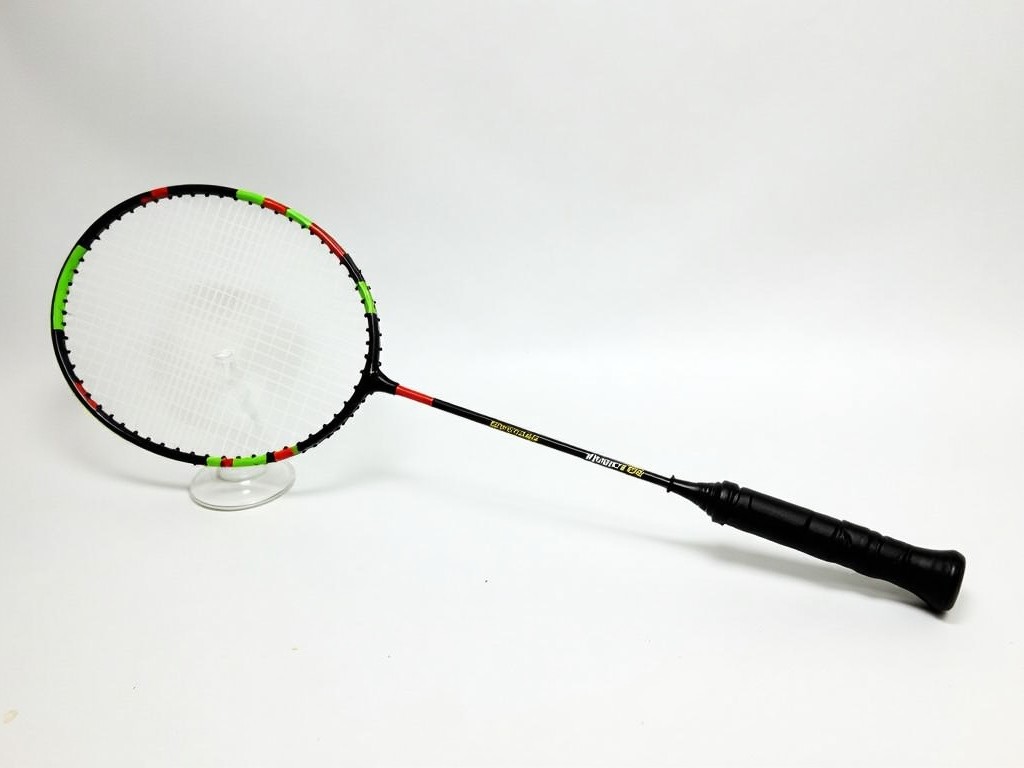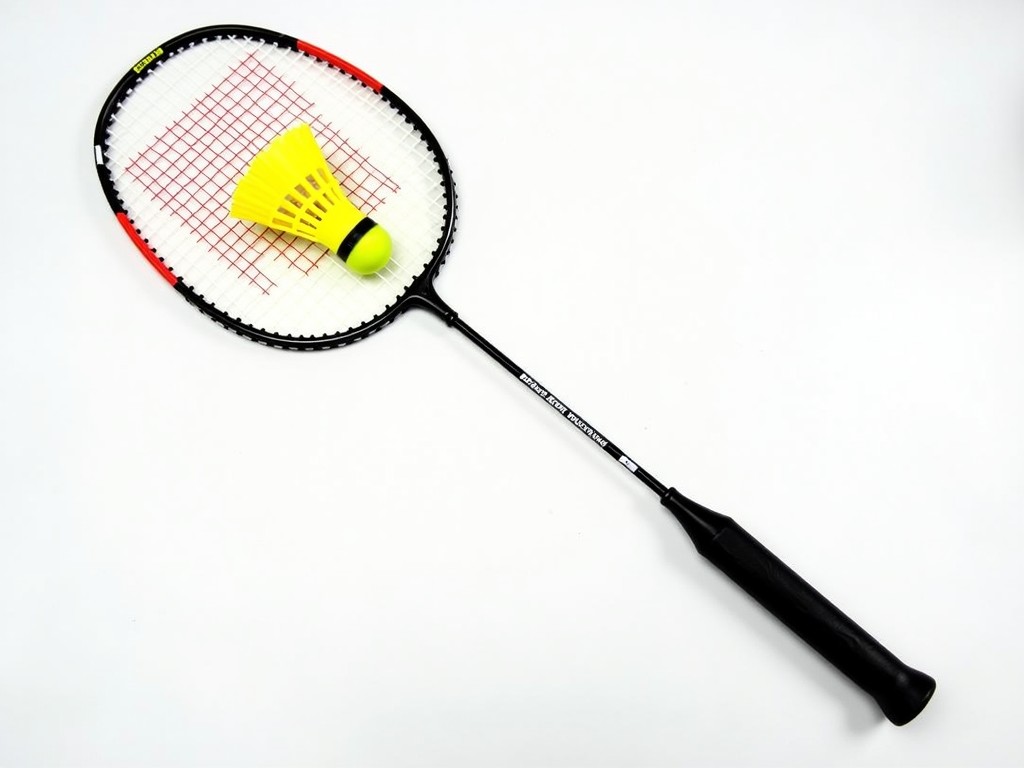
Bulk Badminton Racket With Shuttlecock Set Wholesale
This product consists of a matched set of rackets and shuttlecocks intended for high‑volume procurement by sports distributors, club operators, and institutional buyers. Each racket is engineered for
Bulk Badminton Racket with Shuttlecock Set – Wholesale Specifications
This product consists of a matched set of rackets and shuttlecocks intended for high‑volume procurement by sports distributors, club operators, and institutional buyers. Each racket is engineered for consistent flex and weight distribution, while the shuttlecocks meet tournament‑grade flight stability criteria.
Frame Construction
The racket frame uses a unidirectional graphite lay‑up with a 6 mm wall thickness at the 3‑ and 9‑o’clock positions, tapering to 4 mm at the throat. This geometry yields a static stiffness of approximately 85 N·mm/deg, measured using a three‑point bend test on a 200 mm span.
A reinforced T‑joint at the head‑shaft interface incorporates a 0.2 mm Kevlar veil to reduce peel‑off under repetitive impact loads exceeding 150 N.
Shaft and Grip System
The shaft is a solid graphite tube with an outer diameter of 10 mm and inner diameter of 8 mm, providing a torsional rigidity of 1.2 Nm/deg. The grip consists of a two‑layer PU sleeve: an inner 1 mm moisture‑wicking layer and an outer 1.5 mm textured layer with a Shore A hardness of 75.
Overall racket length is 680 mm (±2 mm) and balance point is located 285 mm from the butt cap, yielding a head‑heavy bias of 5 mm for enhanced smash momentum.
Shuttlecock Composition
Each shuttlecock uses a 16‑feather skirt sourced from goose primary feathers, trimmed to a uniform length of 62 mm (±0.5 mm). The feather tips are bonded to a 2.5 mm cork base with a natural rubber adhesive, resulting in a total weight of 4.9 g (±0.1 g).
Flight testing in a controlled wind tunnel shows a lift coefficient of 0.28 at 20 m/s, producing a stable trajectory with less than 2° deviation over a 9 m distance.
Performance Characteristics
When strung at 24 lb (10.9 kg) tension with a 0.68 mm multifilament string, the racket delivers a sweet spot coefficient of restitution of 0.82, measured via ball‑impact rebound velocity.
The combined set maintains a total weight variance of less than 3 % across a batch of 500 units, ensuring uniform feel for team‑based training.
Customization Options
- Frame finish: matte black, gloss white, or custom Pantone‑matched UV coating (minimum 100 pcs)
- Grip size: G2 (82 mm), G3 (86 mm), G4 (90 mm) with optional over‑wrap thickness up to 2 mm
- String pattern: 16×18, 18×20, or customer‑specified hybrid
- Shuttlecock feather grade: A‑grade (goose) or B‑grade (duck) with corresponding weight tolerance
Quality Assurance
Incoming graphite prepreg is inspected for resin content (±2 %) and fiber alignment using laser‑scanned microscopy. Each frame undergoes a 100 Hz modal analysis to confirm natural frequency within 110 ± 5 Hz.
Shuttlecocks are subjected to a 500‑stroke durability test on a mechanical smash simulator; acceptance criterion is less than 5 % feather loss after test.
Final random sampling (1 % of lot) includes weight, balance, and flight trajectory verification before packaging.
Packaging and Logistics
Rackets are packed in individual LDPE sleeves (50 µm) then placed in five‑layer corrugated cartons (EB flute) with internal corner protectors. Shuttlecocks are stored in rigid polypropylene tubes (30 mm diameter) with desiccant packs.
Standard export pallet configuration holds 40 cartons (200 rackets) per pallet, with a gross weight of approximately 220 kg and dimensions 1.2 m × 1.0 m × 1.4 m.
Typical Material Specifications
| Parameter | Typical Value | Notes |
|---|---|---|
| Frame Material | High‑modulus graphite (IM‑7) | Unidirectional layers |
| Shaft Diameter (OD) | 10 mm | Tolerance ±0.1 mm |
| Grip Hardness (Shore A) | 75 | Outer PU layer |
| Shuttlecock Weight | 4.9 g | ±0.1 g |
| String Tension Range | 20–28 lb | Recommended for performance |
Frequently Asked Questions
- Can the racket length be customized? Yes, length adjustments of ±10 mm are possible with corresponding changes to balance point.
- What information is required for a quotation? Desired quantity, frame finish, grip size, string pattern, shuttlecock grade, and delivery destination.
- Are sample sets available? Sample sets of 5 rackets and 12 shuttlecocks can be arranged upon receipt of a signed NDA.
- How is product quality verified before shipment? Each lot undergoes 1 % random inspection for weight, balance, and flight stability, plus visual inspection of finish.
- What packaging options exist for air freight? Cartons can be reinforced with additional corner boards and moisture‑barrier liners for air‑freight compliance.