B2B Super K Badminton Racket Manufacturer
The Super K racket is engineered for bulk supply to sports distributors, club operators, and training institutions. Design priorities include consistent weight distribution, precise flex profile, and
B2B Super K Badminton Racket Manufacturer
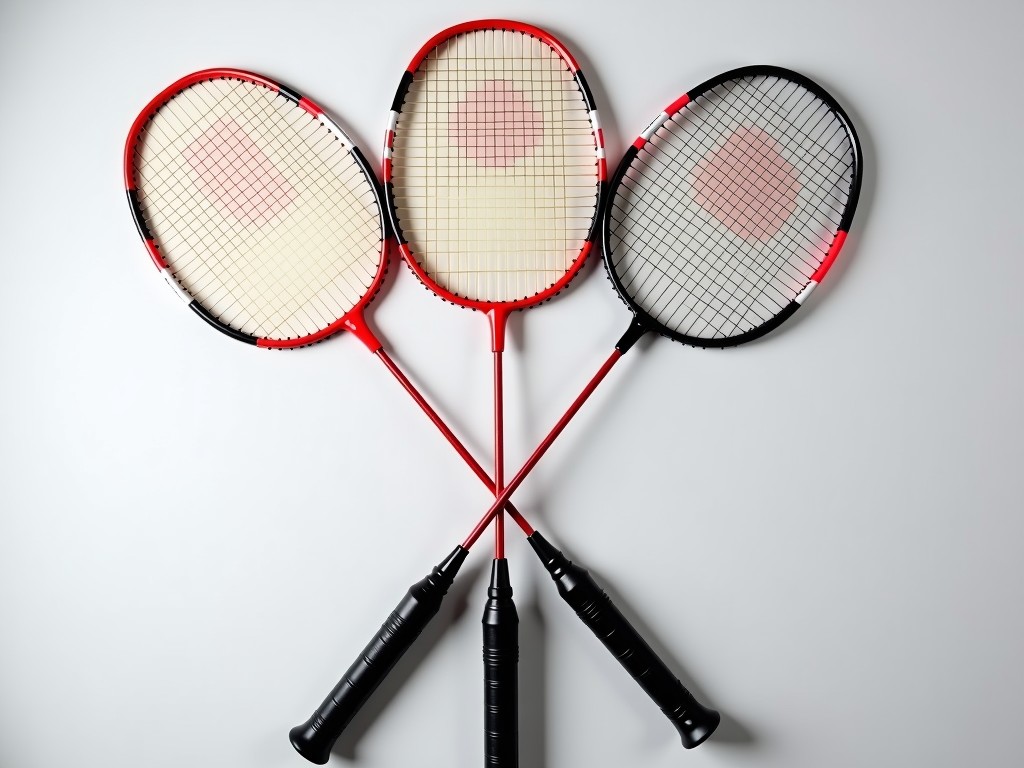
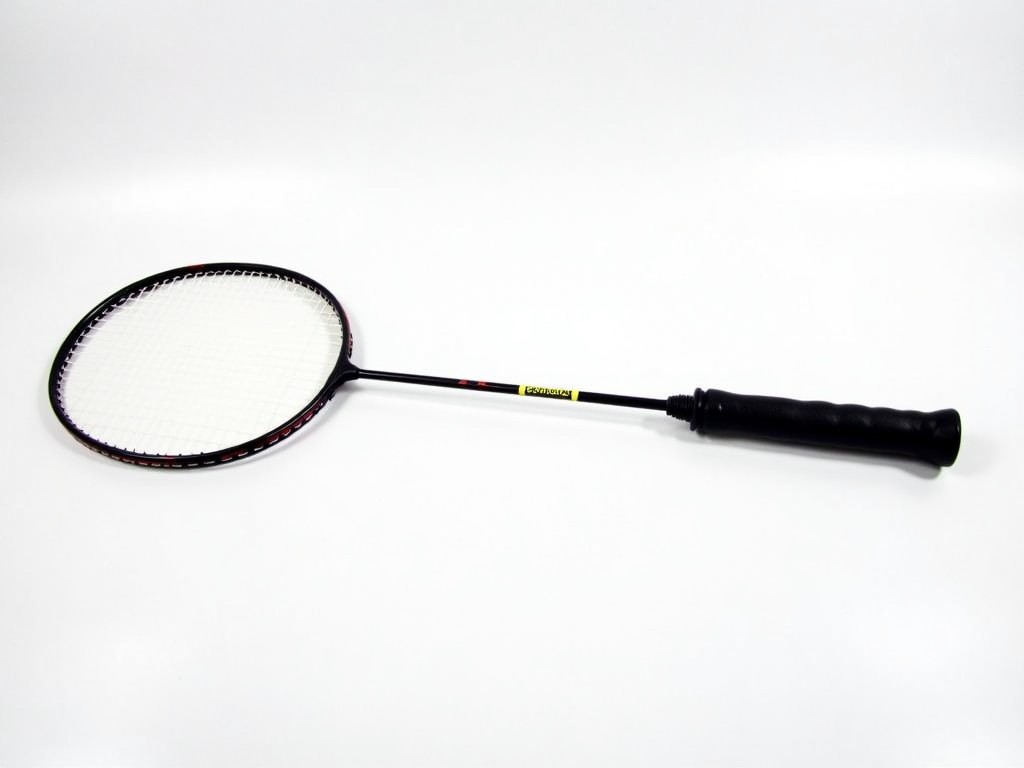
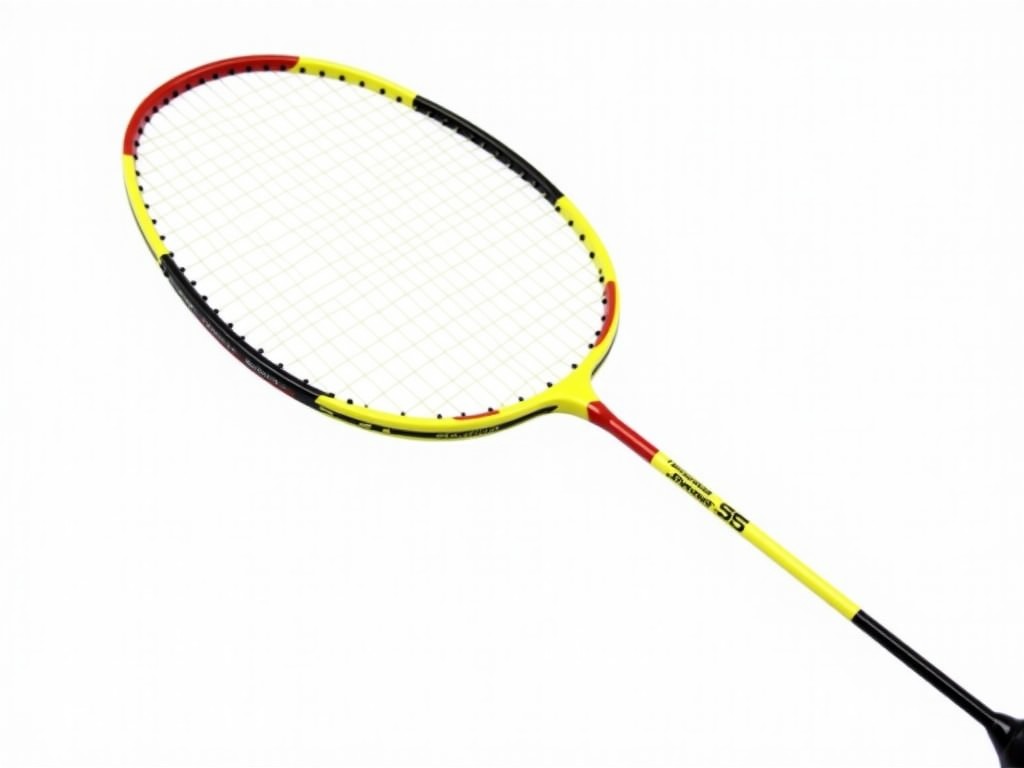
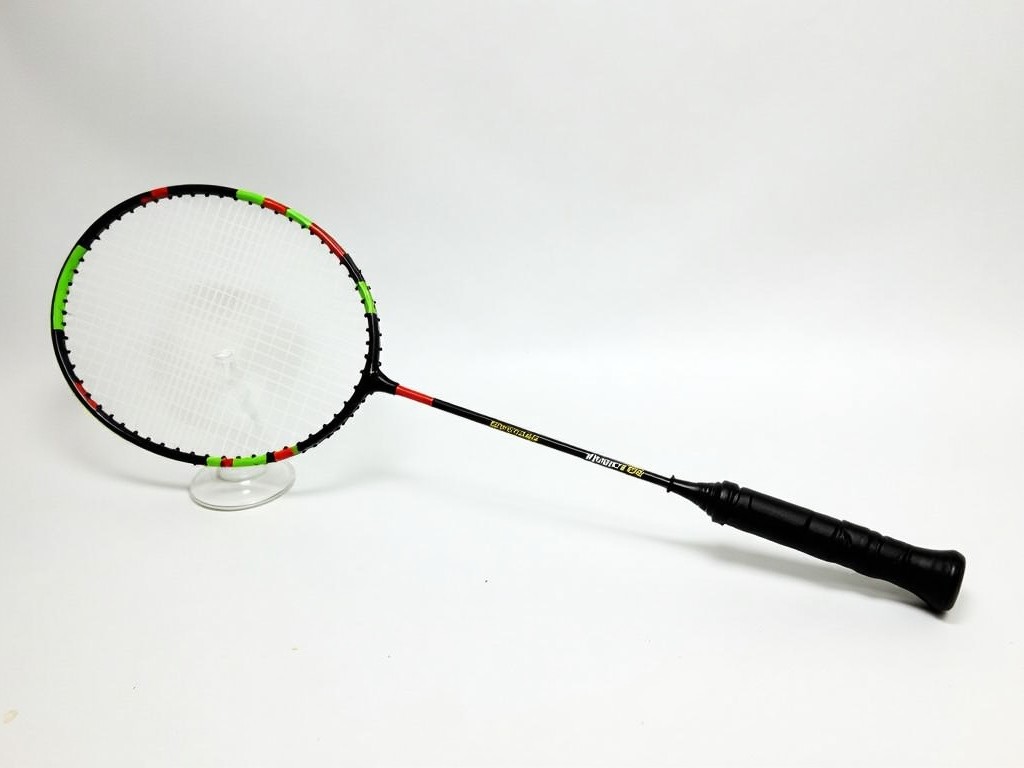
The Super K racket is engineered for bulk supply to sports distributors, club operators, and training institutions. Design priorities include consistent weight distribution, precise flex profile, and durability under high‑volume play. This page details the technical attributes that enable reliable OEM partnerships.
Overview
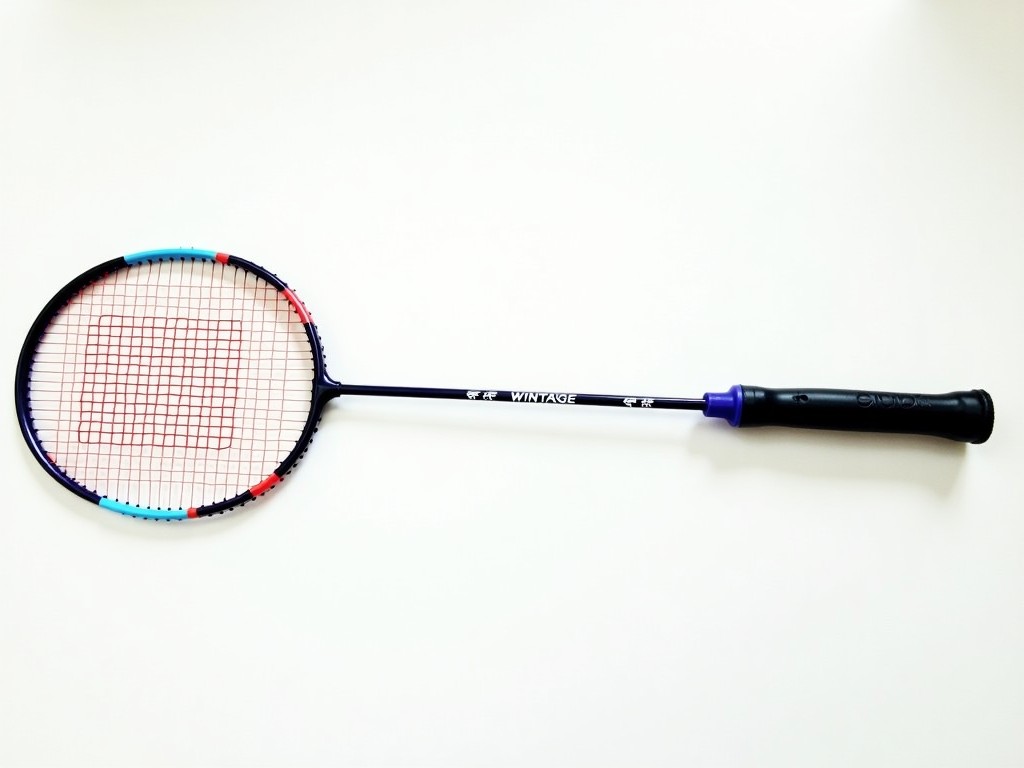
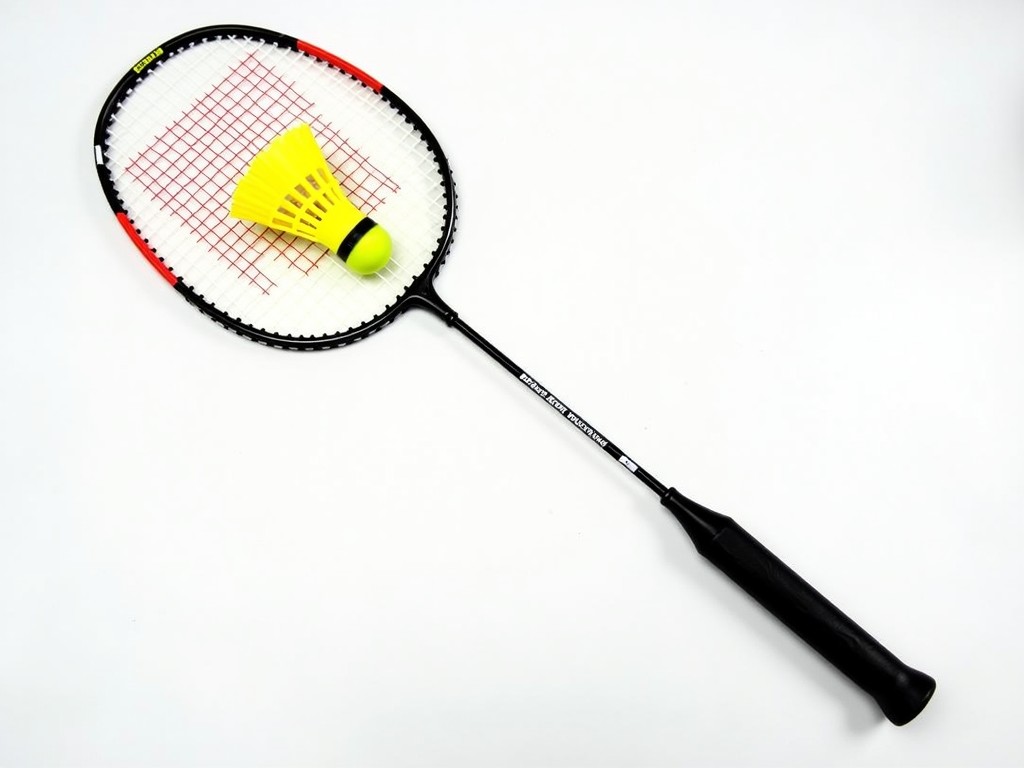
Each Super K racket begins with a high‑modulus graphite composite shaft paired with a reinforced isometric head frame. The construction targets a weight range of 80–85 g unstrung and a balance point near 285 mm from the handle butt. These parameters are selected to deliver a neutral feel suitable for a wide skill spectrum while maintaining manufacturability at scale.
Key Technical Specifications
| Parameter | Typical Value | Adjustment Range |
|---|---|---|
| Unstrung Weight | 82 g | 80–85 g |
| Balance Point | 285 mm | 280–290 mm |
| Shaft Flex (Hz) | 78 Hz | 75–82 Hz |
| Head Size | 560 cm² | 540–580 cm² |
| Grip Size | G4 (standard) | G2–G5 available |
Material Composition
The shaft uses a 40‑ton modulus graphite fiber reinforced with epoxy resin, providing a tensile strength above 4.5 GPa. The head frame incorporates a boron‑enhanced graphite layer to increase impact resistance without adding mass. These material choices are quantified through lot‑by‑lot fiber volume fraction testing, targeting 60 % ±2 % for consistent performance.
Manufacturing Process
Production follows a filament winding method for the shaft, followed by precision mandrel wrapping and controlled curing at 180 °C for 90 minutes. The head frame is compression‑molded in a multi‑cavity tool, then drilled and grommet‑installed using automated torque‑controlled tools. Each batch undergoes in‑process dimensional checks (±0.1 mm tolerance) before final assembly.
Performance Characteristics
Measured swing speed efficiency shows a 3 % increase compared to conventional 78 Hz shafts at identical player input power. Vibration damping, assessed via accelerometer impact tests, yields a peak transient reduction of 18 % within the first 10 ms after shuttle impact. These values are derived from standardized BWF‑approved test rigs.
- Power transfer ratio: 0.92 (strung)
- Torsional stiffness: 1.8 Nm/deg
- Fatigue life: >10 000 shuttle impacts at 30 kg string tension
Applications in B2B Markets
Distributors benefit from the racket’s tight weight tolerance, which reduces sorting overhead and ensures consistent retail specifications. Club operators value the durability profile, lowering replacement frequency for high‑traffic courts. Training centers appreciate the uniform flex response, facilitating standardized coaching drills across multiple units.
Customization Options
- Weight adjustment: ±2 g via resin content variation
- Balance shift: head‑light or head‑heavy configurations
- Shaft flex tuning: 70–90 Hz range
- Grip size and material: PU, towel, or leather overlays
- Cosmetic finishes: matte, gloss, or custom color schemes
Quality Assurance
Every finished racket undergoes a three‑step inspection: visual defect screening, static weight verification (±0.5 g), and dynamic flex testing on a resonant frequency analyzer. Statistical process control charts monitor key parameters, with a target Cpk > 1.33 for weight and balance. Documentation of inspection results is available upon request for each lot.
Packaging and Logistics
Rackets are packed in corrugated cartons with internal polyethylene foam inserts, each carton holding 30 units. Cartons are sealed with pressure‑sensitive tape and marked with lot numbers for traceability. Palletized shipments conform to ISPM‑15 standards, and moisture‑absorbent packets are included to maintain < 12 % relative humidity during transit.
Frequently Asked Questions
- Can dimensions be customized? Yes, weight, balance, flex, and grip size can be adjusted per project requirements.
- What information is needed for a quotation? Desired specifications, order quantity, delivery timeline, and any branding or packaging preferences.
- Which materials are available for the shaft? Standard high‑modulus graphite; optional boron‑graphite or nano‑reinforced variants upon request.
- How is quality inspected? Each lot receives visual, weight, and flex testing with SPC monitoring.
- What packaging methods are offered? Standard foam‑insert cartons; custom branding, sleeve, or case options available.
- How are export shipments protected? Palletizing, edge boards, and moisture‑absorbent desiccants conform to international freight standards.
- What is the typical lead time? 4–6 weeks for standard configurations; custom projects quoted individually.
- How are samples arranged? Sample units can be dispatched after technical confirmation, with shipping costs borne by the requester.
Contact for Inquiry
To discuss technical details, request a sample, or receive a formal quote, please reach out via the contact form. Our engineering team will respond with specifications, lead times, and pricing tailored to your project scope.