China Badminton Racket Without T Joint Exporter
A badminton racket’s T‑joint connects the shaft to the frame and influences how impact forces travel through the structure. When this joint is omitted, the racket becomes a monocoque unit where the
China Badminton Racket Without T-Joint Exporter
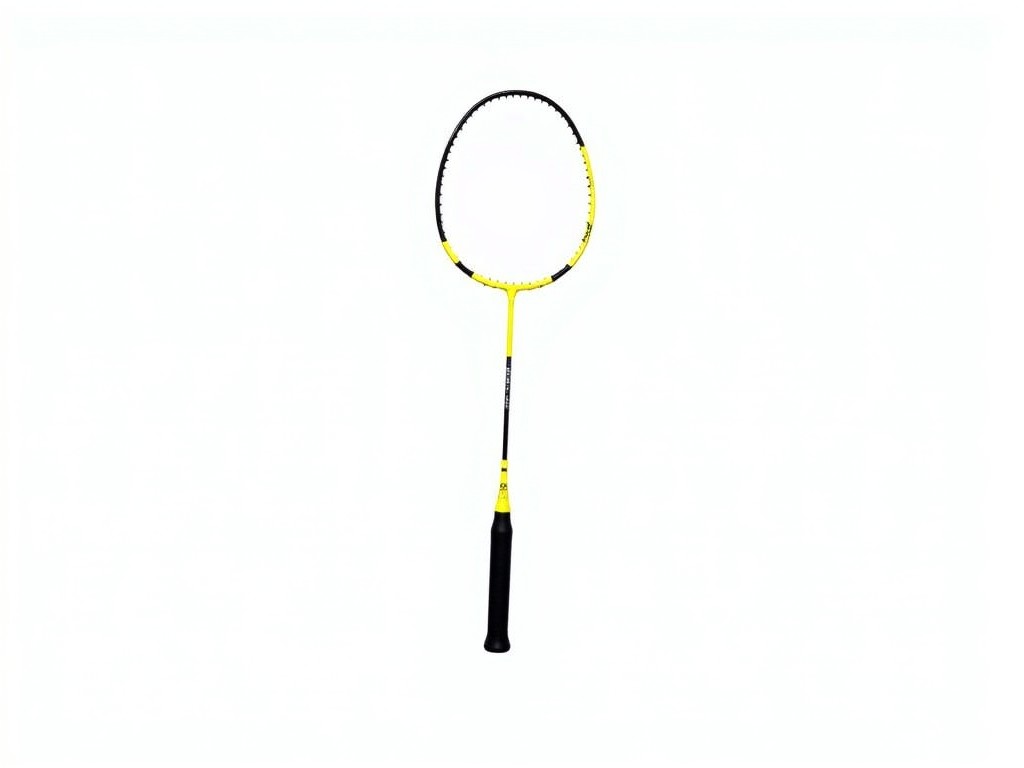
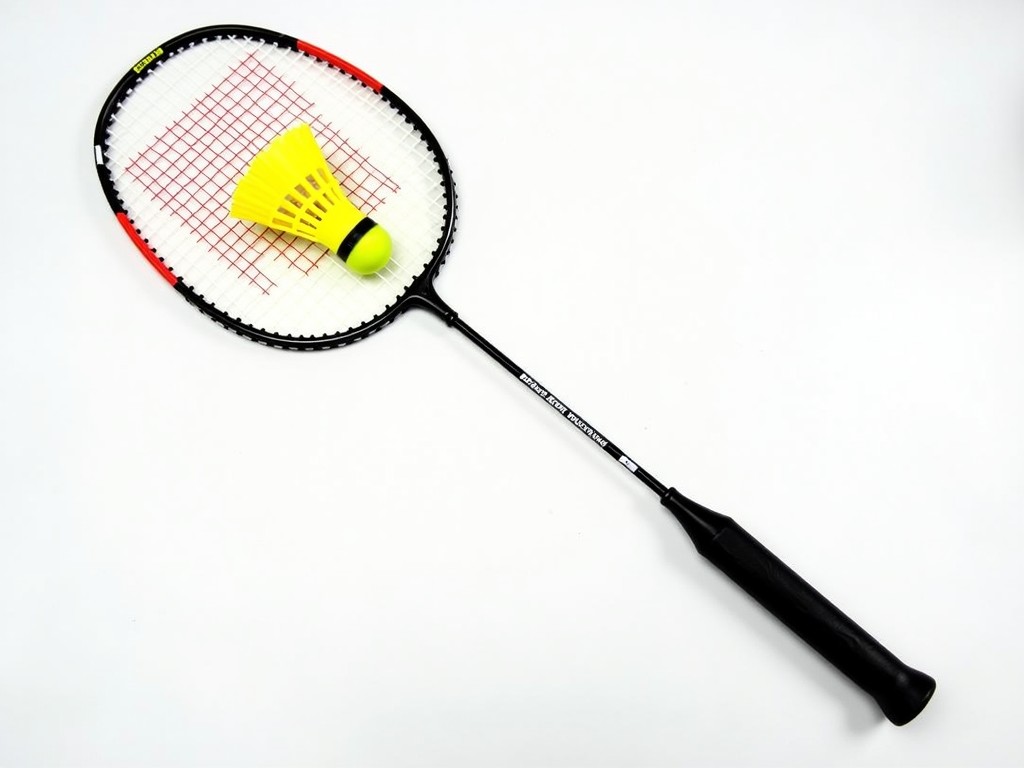
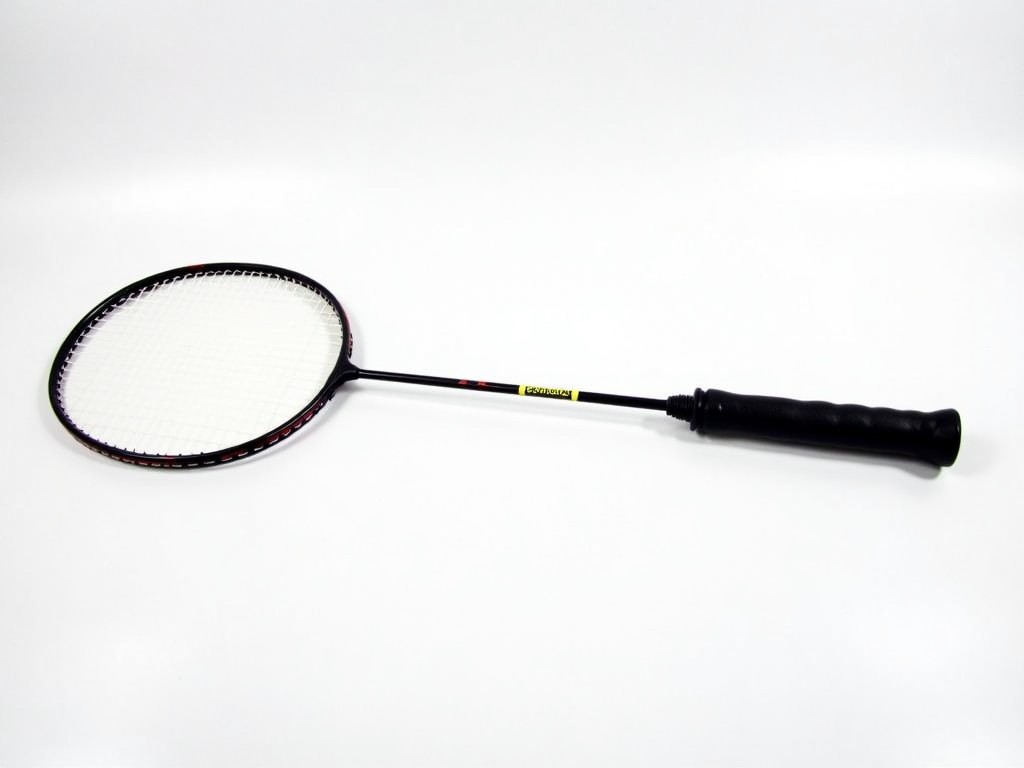
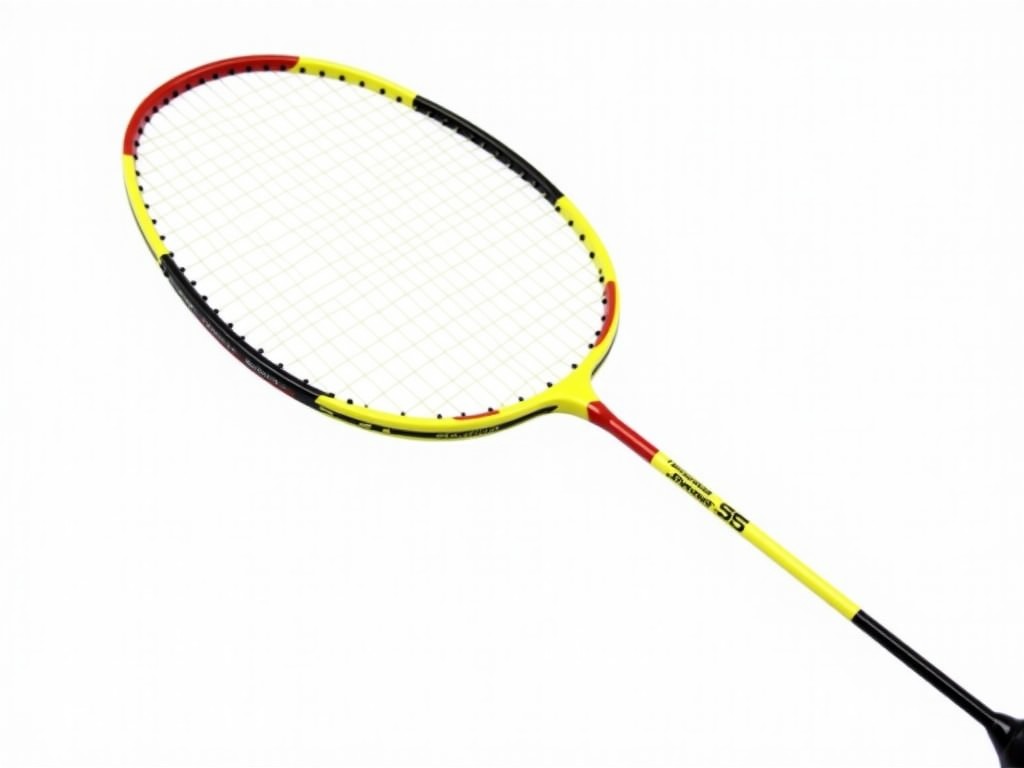
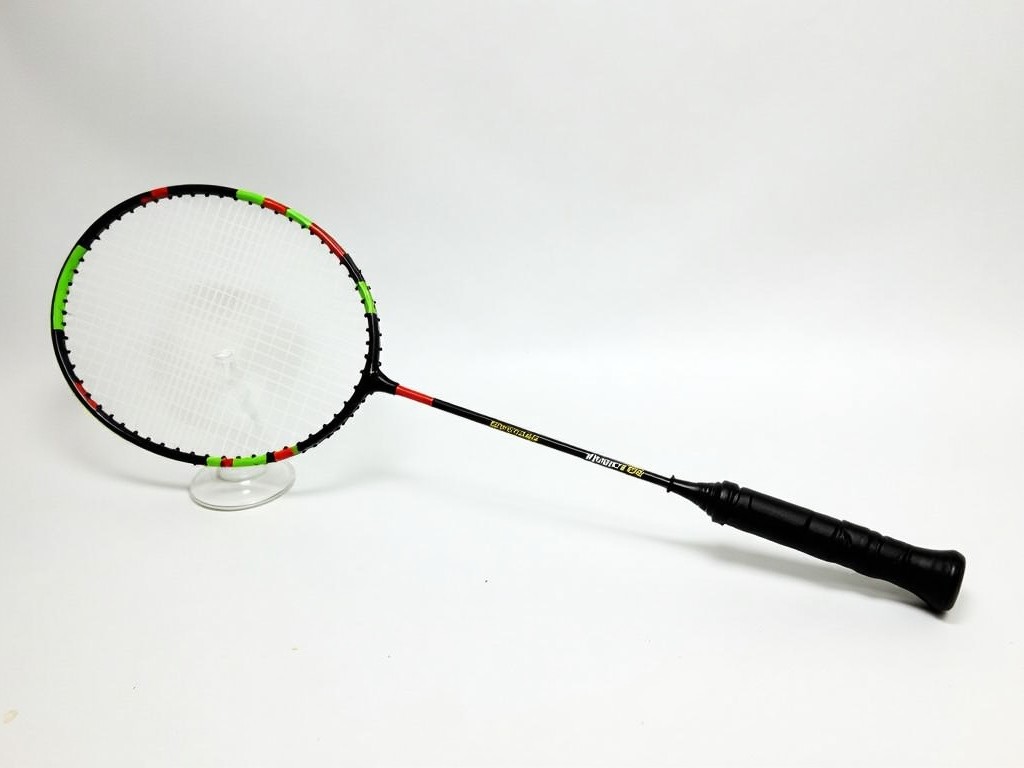
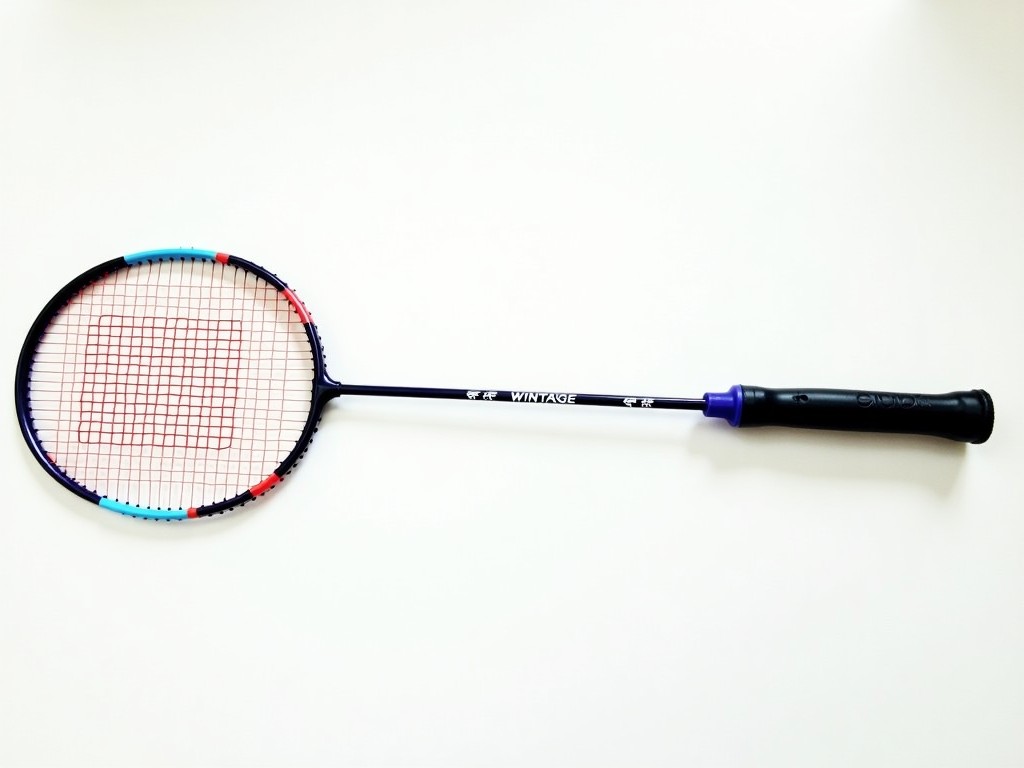
A badminton racket’s T‑joint connects the shaft to the frame and influences how impact forces travel through the structure. When this joint is omitted, the racket becomes a monocoque unit where the shaft and head share a continuous carbon‑fiber skin. Exporters based in China offer this design to customers seeking altered stiffness characteristics and weight distribution for specific playing styles.
Design Concept and Mechanical Implications
Removing the T‑joint eliminates a localized stress concentrator that can cause micro‑cracks under repeated high‑tension stringing. The resulting frame distributes impact loads along a longer, uninterrupted fiber path, which can increase overall torsional rigidity. Players often perceive a sharper feel on off‑center hits because the vibration damping path changes. These mechanical shifts are quantified through modal analysis and can be tuned by adjusting laminate orientation.
Typical Specifications
Typical dimensional and performance ranges for export‑grade rackets without a T‑joint are shown below.
| Parameter | Typical Range | Unit |
|---|---|---|
| Weight (unstrung) | 78 – 84 | g |
| Balance point (from handle butt) | 285 – 305 | mm |
| Stiffness (flexural modulus) | 6.5 – 8.0 | kN/mm² |
| Recommended string tension | 20 – 30 | lb |
| Shaft flexibility index | 5.0 – 7.0 | – |
These values represent common configurations; actual numbers can be shifted to meet specific player preferences or regulatory limits.
Material Selection and Layering
Manufacturers choose carbon‑fiber tows based on modulus and tensile strength to achieve target stiffness and weight. High‑modulus fibers (≈ 400 GPa) are placed in the hoop direction to resist ovalisation, while intermediate‑modulus tow (≈ 230 GPa) fills the longitudinal layers for tensile resilience. Epoxy resin systems with a glass transition temperature above 120 °C ensure dimensional stability during hot‑press curing.
- High‑modulus carbon fiber (400 GPa) – hoop reinforcement
- Intermediate‑modulus carbon fiber (230 GPa) – longitudinal layers
- Toughened epoxy resin (Tg > 120 °C)
- Optional nano‑silica filler for impact resistance
Manufacturing Process
Filament winding machines lay continuous tows onto a mandrel following a programmed angle sequence. After winding, the blank is transferred to a compression mold where heat and pressure consolidate the laminate. Curing cycles typically hold at 180 °C for 90 minutes, followed by controlled cooling to prevent residual stress. Post‑cure machining removes excess material and creates the grip taper and stringing holes.
Applications in Play
The altered dynamics suit particular playing contexts:
- Singles players who favor rapid wrist snap and quick recovery
- Doubles teams needing a stiff frame for fast drives at the net
- Junior athletes transitioning to full‑size rackets where weight distribution matters
Quality Control and Testing
Each racket undergoes weight verification with a tolerance of ±2 grams. Balance point is measured from the handle butt; acceptable range is 285 mm to 305 mm for head‑light configurations. Stiffness is assessed by applying a known force at the throat and recording deflection, ensuring the result falls within the design‑specified window.
Customization Options
Buyers can adjust the following parameters:
- Grip size (G2, G3, G4)
- Shaft flex (soft, medium, stiff)
- Paint finish (matte, gloss, custom graphics)
- String hole pattern (standard, enlarged for thicker strings)
Packaging and Export Logistics
Finished rackets are placed in individual poly‑foam sleeves that shield the frame from impact. Sleeves are then packed into double‑wall corrugated cartons with corner protectors and a moisture‑barrier liner. Cartons are stacked on pallets, strapped, and marked with handling symbols for sea or air freight.
Next Steps
To discuss technical details, obtain samples, or place a trial order, contact our export team.
Request a Quote