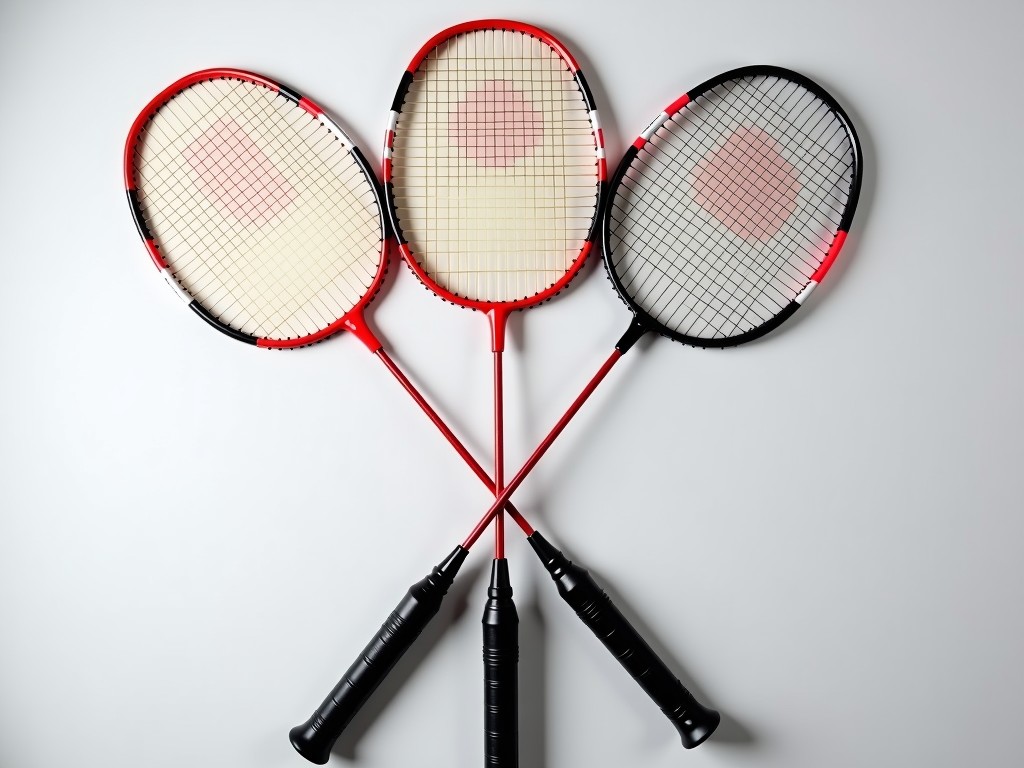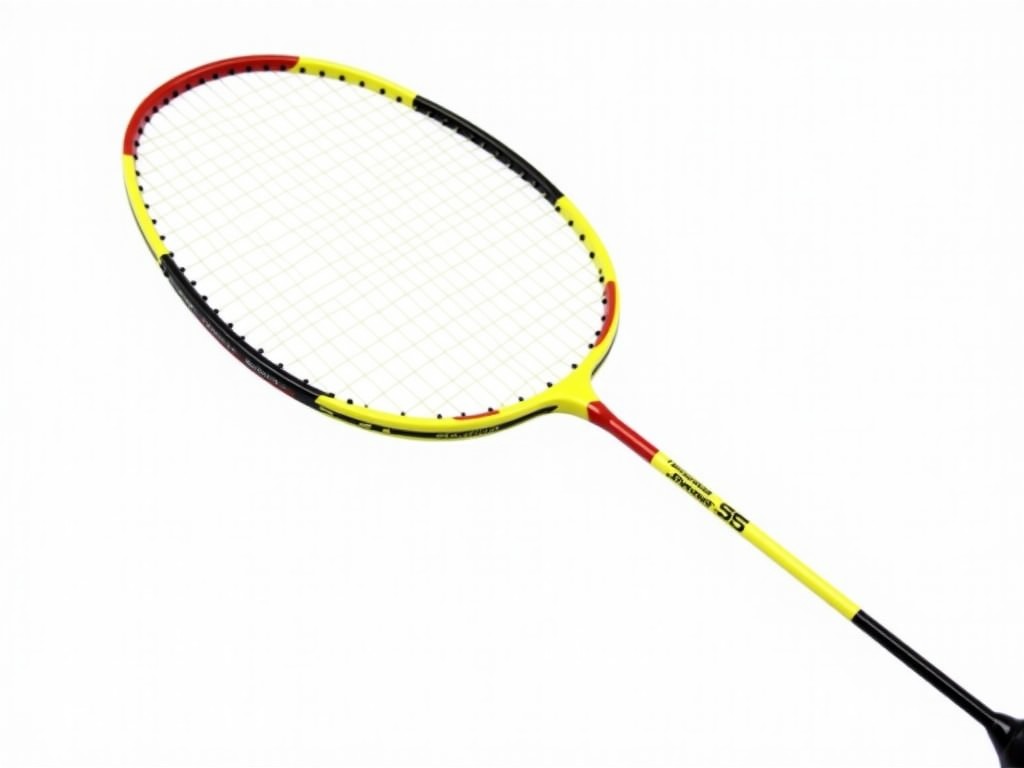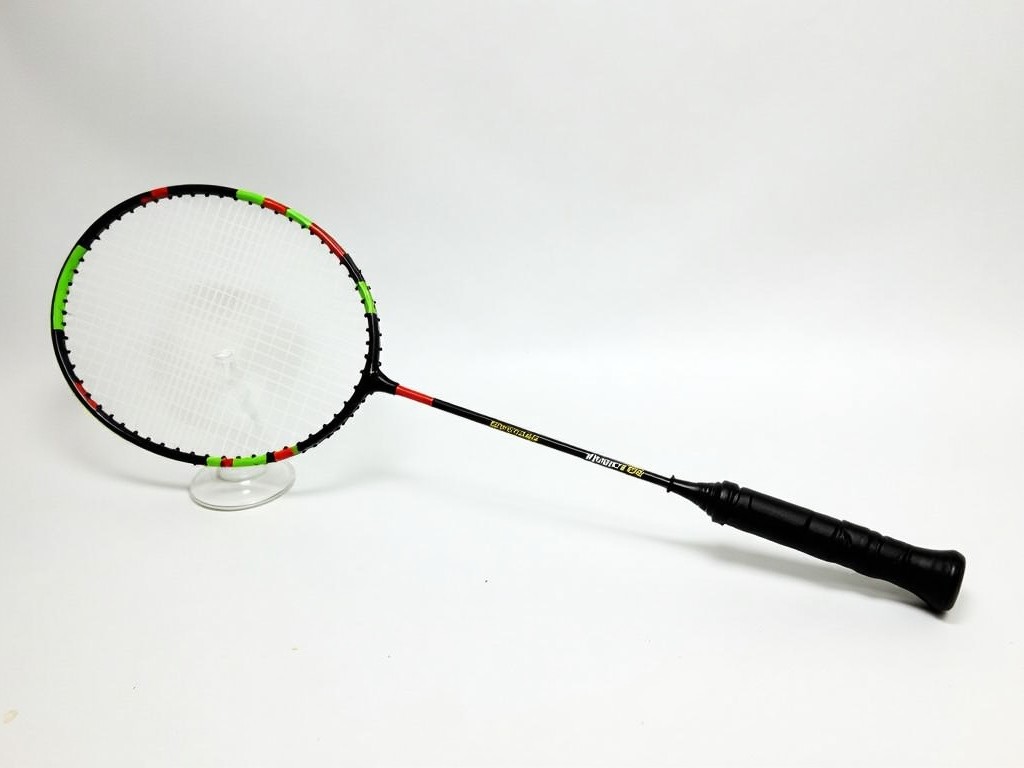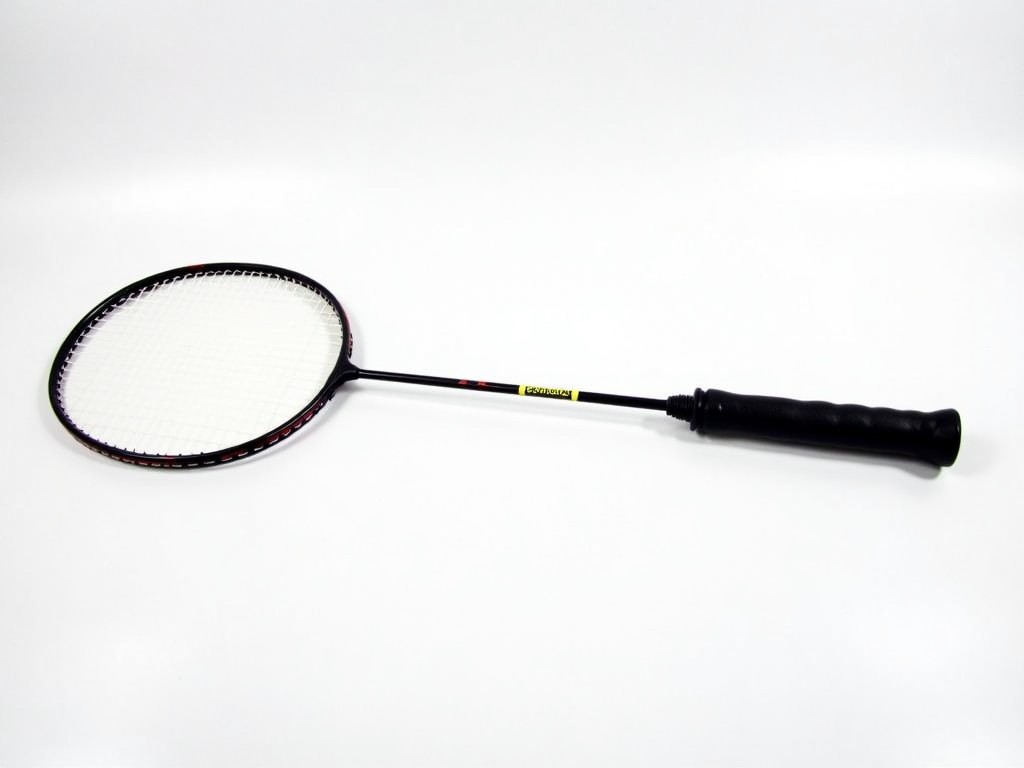
Best Price Cheap Badminton Racket Top Factory
Industrial buyers sourcing badminton rackets for volume production prioritize consistent weight distribution, predictable flex characteristics, and tight dimensional tolerances that enable reliable
Best Price Cheap Badminton Racket – Top Factory Overview
Industrial buyers sourcing badminton rackets for volume production prioritize consistent weight distribution, predictable flex characteristics, and tight dimensional tolerances that enable reliable stringing performance across large batches.
A racket’s total mass typically ranges from 80 to 95 grams unstrung, influencing swing speed and player fatigue; factories maintain weight variance under ±1.5 grams through precise molding and trim processes.
Balance point measured from the handle end usually falls between 280 mm and 300 mm for head‑light models, delivering quicker maneuverability favored in doubles play, while head‑heavy designs shift the point beyond 300 mm for increased power in singles.
Shaft stiffness is quantified by flex modulus; a modulus of 45–55 GPa provides a mid‑flex feel suitable for all‑round play, whereas values above 60 GPa yield a stiffer response preferred by aggressive attackers.
Key Specifications Table
| Parameter | Typical Range | Control Method |
|---|---|---|
| Unstrung Weight | 80–95 g | Precision scale ±0.1 g |
| Balance Point | 280–300 mm | Caliper measurement ±0.5 mm |
| Overall Length | 665–680 mm | Laser length gauge ±0.2 mm |
| Shaft Flex Modulus | 45–60 GPa | Three‑point bend test |
| Recommended String Tension | 20–30 lbs | String tension meter ±0.5 lb |
Frame material selection directly influences both durability and cost; high‑modulus graphite woven with a 30% resin content yields a tensile strength above 400 MPa while keeping density near 1.55 g/cm³, allowing thin‑wall construction without sacrificing impact resistance.
Shafts often incorporate a carbon‑fiber core reinforced with aramid fibers to dampen vibration, resulting in a measured vibration decay time under 12 milliseconds after a standard impact test.
Head geometry follows an isometric pattern with a 20 mm increase in effective hitting area compared to conventional oval frames, reducing off‑center torque variation by approximately 15% as verified by rotational inertia measurements.
Manufacturing Tolerances and Quality Control
Injection molding cycles are held to a ±0.05 mm tolerance on wall thickness, monitored via inline laser micrometers; deviations beyond this range trigger automatic reject.
Each finished racket undergoes a three‑point bend test to verify flex modulus remains within ±5 GPa of the target value; units failing this test are re‑grinded for material recovery.
String bed stiffness is assessed by applying a 10 N load at the center of the strung area and measuring deflection; acceptable deflection ranges from 1.8 to 2.2 mm, ensuring consistent rebound characteristics across batches.
Visual inspection under 45° lighting checks for surface blemishes, flash, or resin‑rich spots; any defect exceeding 0.2 mm in depth results in segregation.
Typical Applications
Educational institutions procure rackets in bulk for physical education programs where cost‑efficiency and uniform performance reduce injury risk from inconsistent equipment.
Sports clubs and community centers rely on stable weight balance to enable athletes to transition smoothly between training rackets and competition models without relearning swing timing.
Original equipment manufacturers (OEMs) supplying private‑label brands require tight tolerances on weight and balance to meet branding specifications while maintaining competitive unit costs.
Customization Options
- Logo printing via pad‑transfer or sublimation on the shaft or throat area
- Grip size adjustment from G2 to G5 using interchangeable polyurethane overlays
- Frame color matching to Pantone specifications through colored resin additives
- Weight tuning kits consisting of tungsten inserts placed in the handle cavity
Packaging and Shipping
Rackets are packed in single‑wall corrugated cartons with inner polyethylene sleeves to prevent moisture ingress; each carton holds 12 units, stacked in a 3 × 4 orientation.
Palletized shipments utilize standard 1200 mm × 1000 mm pallets with stretch‑film wrapping and corner boards, providing protection against lateral shifts during transit.
Export containers include desiccant packets and humidity indicator cards to maintain relative humidity below 60 % throughout the voyage.
Lead Time
For orders under 5 000 pieces, the typical production lead time is 14 working days after approval of pre‑production samples; larger volumes exceeding 20 000 pieces extend the schedule to 20‑25 days due to additional curing and quality‑hold periods.
Expedited runs are available with a surcharge, reducing lead time to 7 days by allocating dedicated molding shifts and prioritizing inspection resources.
Frequently Asked Questions
- Can dimensions be customized? Yes, head width, shaft length, and grip circumference can be adjusted within ±3 mm based on tooling availability.
- What information is required before quotation? Detailed specifications including target weight, balance point, flex modulus, preferred frame material, and any branding or color requirements.
- Which materials are offered for the frame? High‑modulus graphite, aluminum alloy 6061‑T6, and hybrid graphite‑aluminum composites are available.
- How is quality inspected? Each batch undergoes weight, balance, flex modulus, string bed stiffness, and visual checks as outlined above.
- What packaging methods are available? Standard carton packing, palletization, and custom foam inserts for high‑value OEM shipments.
- How are export shipments protected? Inner moisture barriers, desiccant packs, stretch‑film wrapping, and corner boards safeguard against damage and humidity.
- What is the typical production lead time? 14‑25 working days depending on order size, with expedited options at additional cost.
- How are samples arranged? Pre‑production samples are shipped via express coupons after approval of digital mock‑ups; sample fees are credited against the first order.
For further details or to request a formal quotation, please contact our sales team.
Request Quotation