Best Price Original Badminton Rackets Company
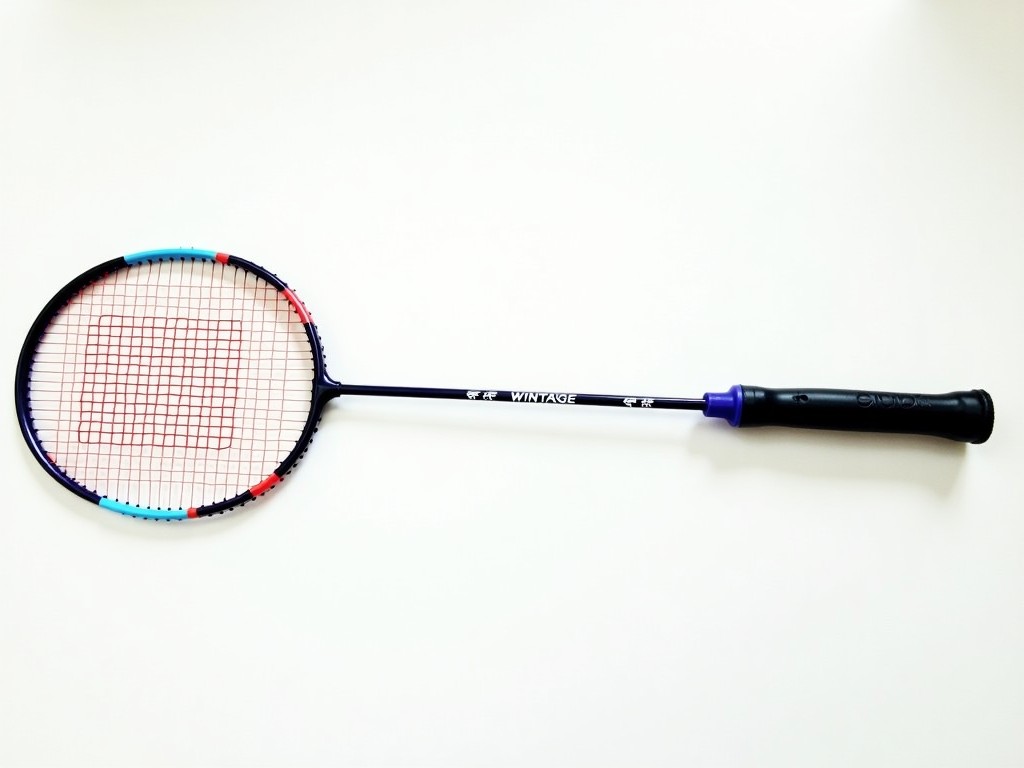
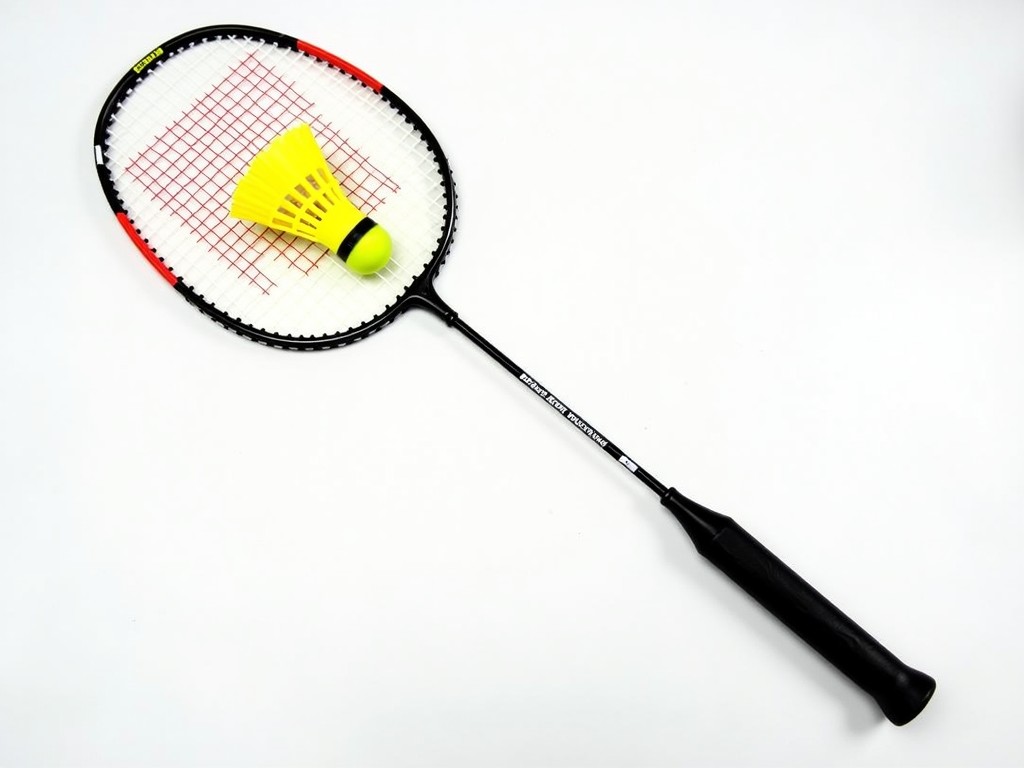
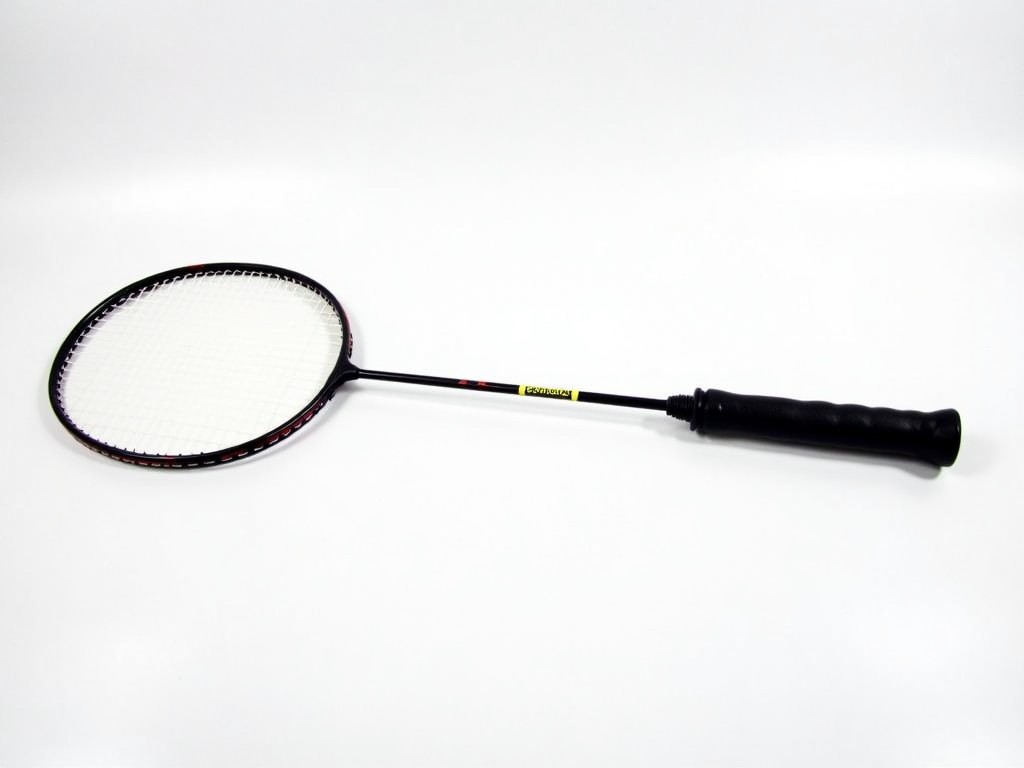
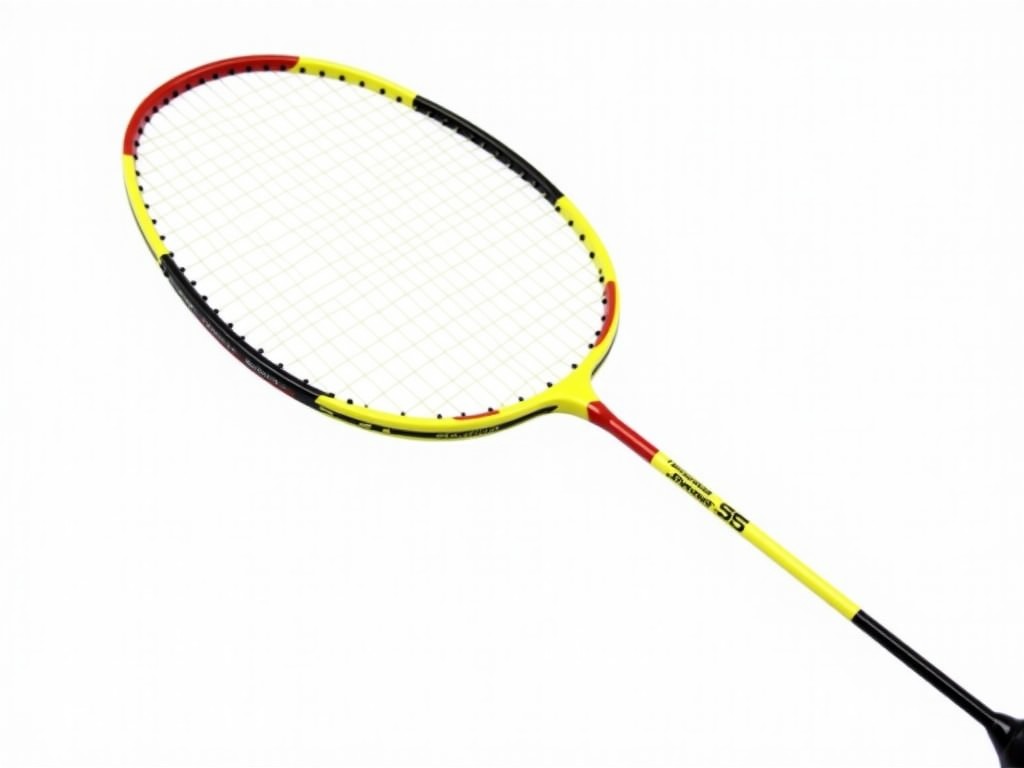
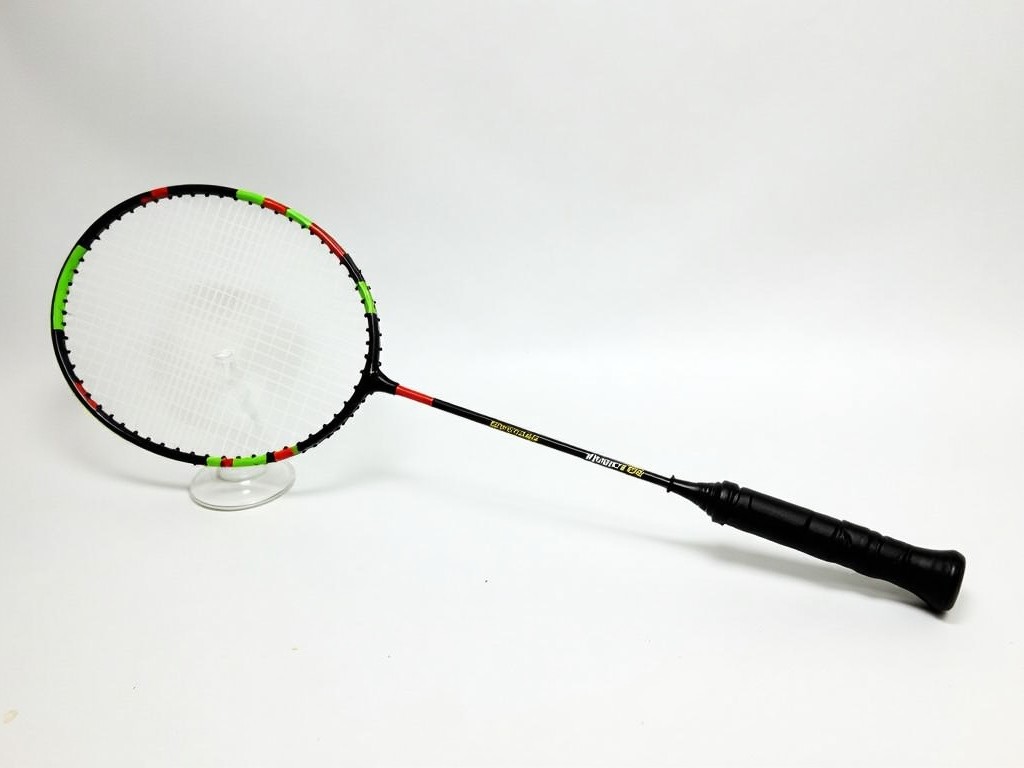
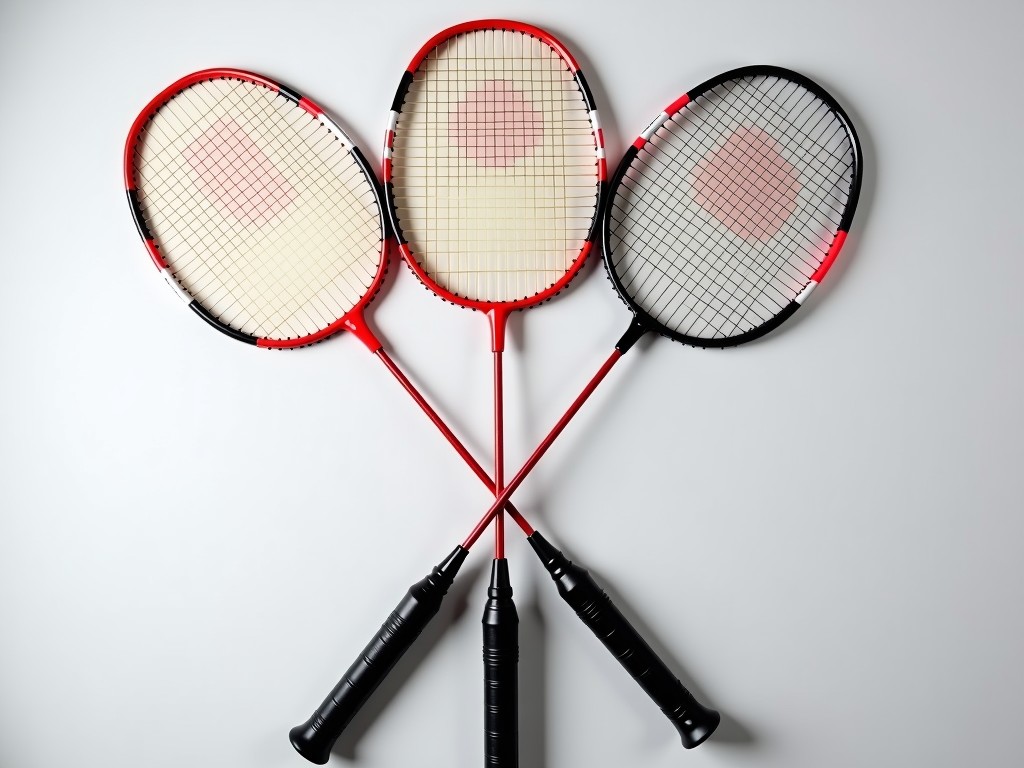
The company specializes in producing badminton rackets that meet the dimensional and performance tolerances required for club, school, and competitive play. Each racket is engineered from selected
Best Price Original Badminton Rackets Company
The company specializes in producing badminton rackets that meet the dimensional and performance tolerances required for club, school, and competitive play. Each racket is engineered from selected raw materials to achieve consistent weight distribution, shaft flex, and frame stiffness across production batches.
Product Overview
Frame construction uses high-modulus graphite composite with a typical tensile strength of 4.2 GPa, providing a balance between impact resistance and rebound efficiency. The shaft incorporates a tapered carbon‑fiber layup, resulting in a flex rating ranging from 7.5 mm to 9.0 mm under a 10 N load, which corresponds to medium‑stiff to stiff classifications.
Standard racket weight, measured without strings or grip, falls between 80 g and 88 g. Balance point, measured from the butt end, ranges from 285 mm to 295 mm, offering a head‑light to even‑balance feel suitable for varied playing styles.
Design and Engineering Considerations
Frame geometry follows an isometric head shape with a typical string‑bed area of 550 cm², which enlarges the sweet spot while maintaining aerodynamic drag coefficient below 0.28 Cd at 20 m/s swing speed. The shaft taper angle is set at 2.5° to optimize torque transfer during overhead strokes.
String bed tension is recommended between 20 lb and 28 lb (9 kg–12.7 kg) for optimal power‑control trade‑off; exceeding this range increases frame stress beyond the design limit of 150 MPa.
Customization Options
- Frame material: graphite composite, aluminum alloy, or hybrid carbon‑glass.
- Grip size: G1 (75 mm), G2 (80 mm), G3 (85 mm) with optional over‑wrap thickness.
- String pattern: 16×19, 18×20, or custom hole count per client specification.
- Weight tuning: addition of tungsten weights in the handle or head to shift balance point ±5 mm.
- Color finish: matte, gloss, or UV‑coated options in standard Pantone selections.
Quality Assurance and Testing
Each production lot undergoes dimensional inspection using coordinate‑measuring machines with a tolerance of ±0.2 mm on frame length and width. Dynamic stiffness is verified via a three‑point bend test, ensuring load‑deflection curves remain within ±5 % of the target profile.
String‑bed uniformity is checked by measuring tension loss after 1000 simulated impacts; acceptable loss is less than 8 % of initial tension. Visual inspection for surface defects follows ISO 2859‑1 AQL 0.65 for critical flaws.
Applications
Clubs and educational institutions benefit from the rackets’ consistent performance, which reduces variability during training drills and match play. Competitive players selecting the medium‑stiff shaft option experience enhanced control on net shots, while the head‑light balance facilitates rapid wrist maneuverability for defensive lifts.
The rackets’ resistance to frame deformation under repeated high‑impact clears makes them suitable for intensive training programs where equipment longevity reduces replacement frequency.
Typical Specifications
| Parameter | Typical Value | Notes |
|---|---|---|
| Frame Material | High‑modulus graphite composite | Tensile strength ≈ 4.2 GPa |
| Weight (unstrung) | 80 g – 88 g | Measured without strings or grip |
| Balance Point | 285 mm – 295 mm from butt | Head‑light to even balance |
| Shaft Flex (10 N) | 7.5 mm – 9.0 mm deflection | Medium‑stiff to stiff |
| String‑Bed Area | ≈ 550 cm² | Isometric head shape |
| Recommended Tension | 20 lb – 28 lb (9 kg – 12.7 kg) | Below 150 MPa frame stress limit |
| Surface Finish | Matte, gloss, UV‑coated | Custom Pantone options |
Lead Times and Packaging
Standard production lead time is 20 working days after receipt of approved artwork and material confirmation. For customized grip sizes or special finishes, an additional 5 days may be required.
Rackets are packed in individual polyethylene sleeves, placed in corrugated cartons with 5 mm foam edge protection. Each carton holds 30 units, with a gross weight not exceeding 18 kg, facilitating palletized handling for sea or air freight.
Inquiry
To request a formal quotation, provide the desired frame material, grip size, string pattern, quantity, and any required cosmetic specifications. Contact the sales team via the inquiry form linked below.