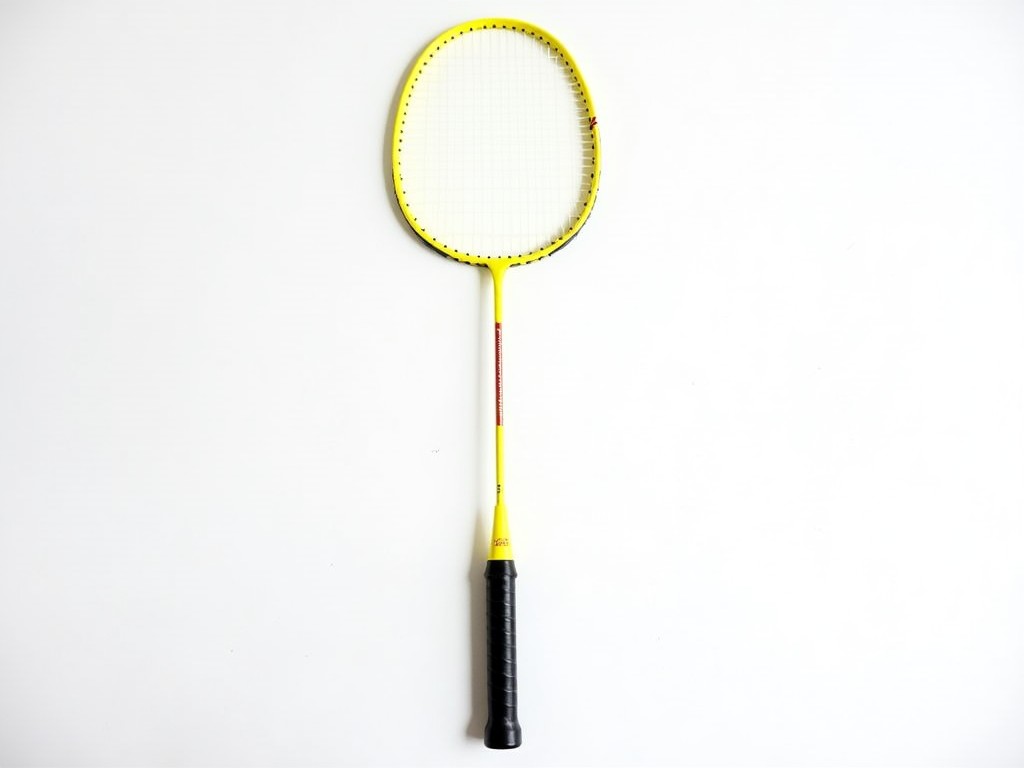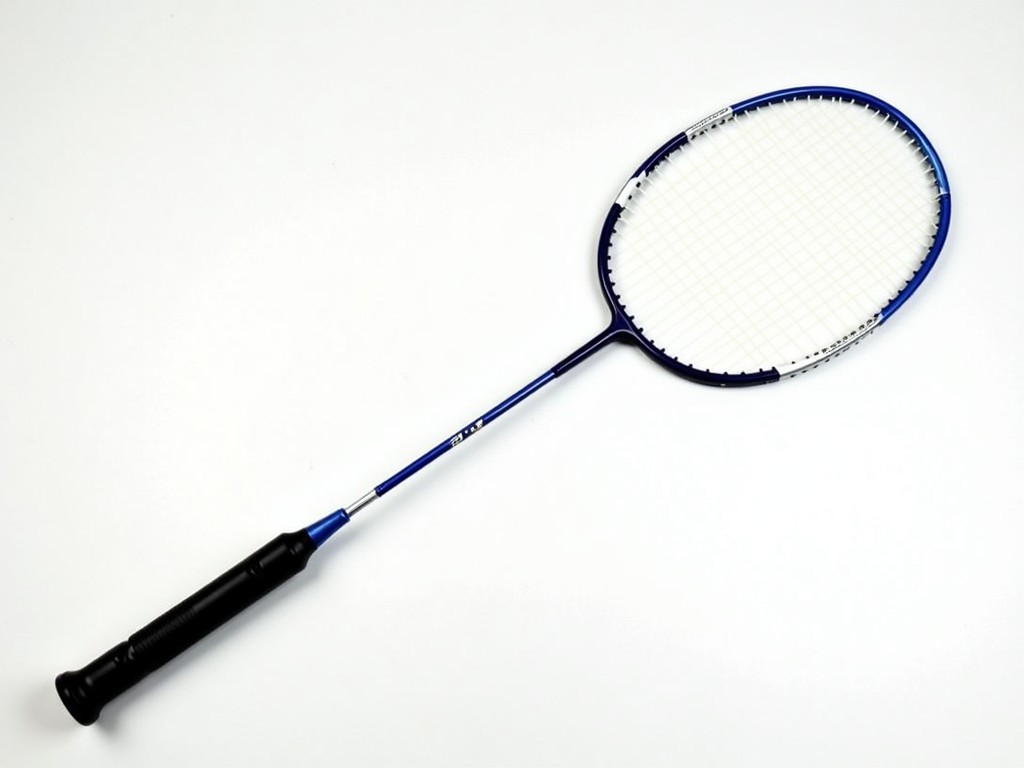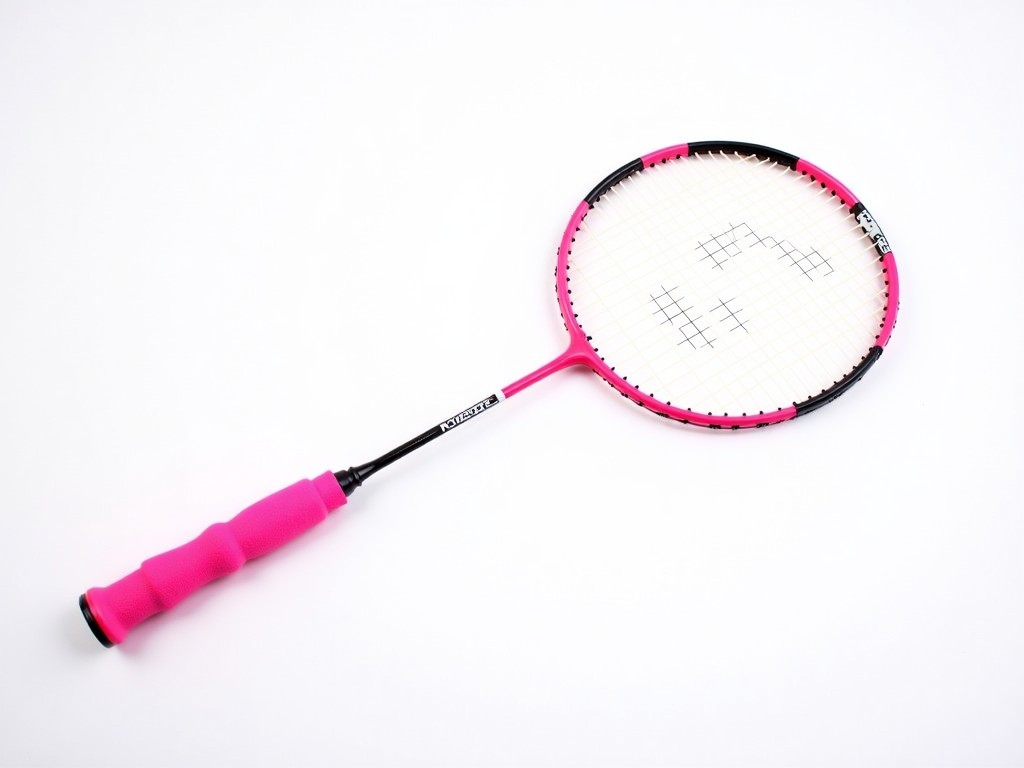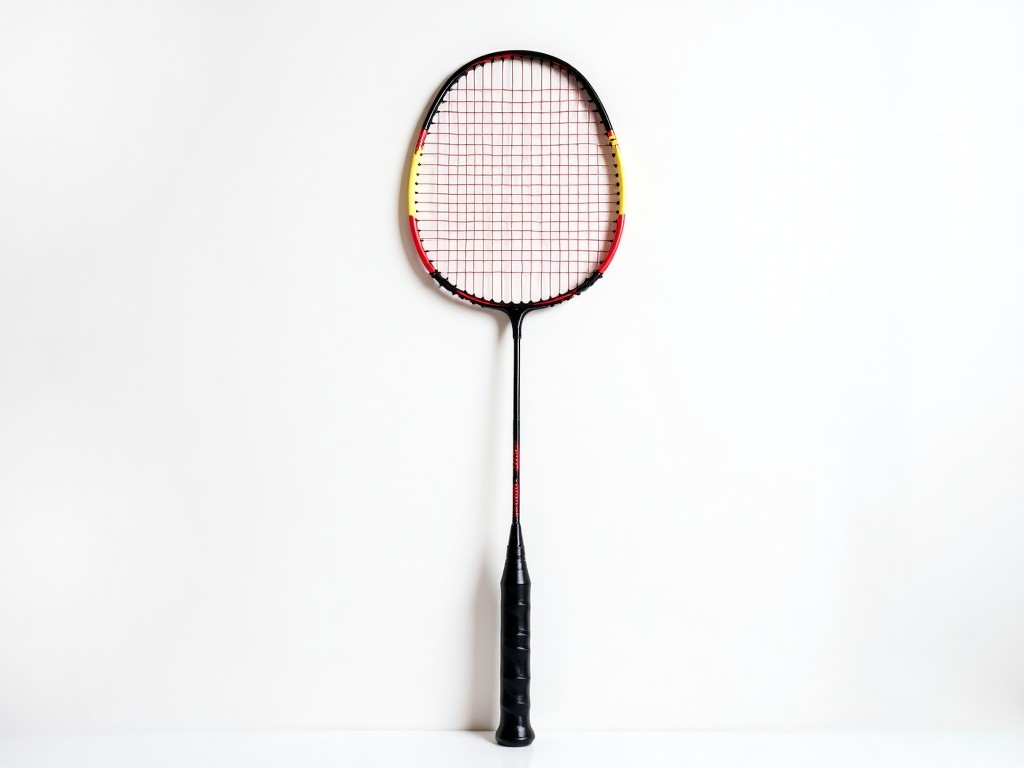
Custom Light Weight Jointless Badminton Racket Factory
A jointless racket is manufactured as a single monocoque piece, eliminating the traditional throat joint between shaft and head. This construction removes a common source of weight variation and
Custom Light Weight Jointless Badminton Racket Factory
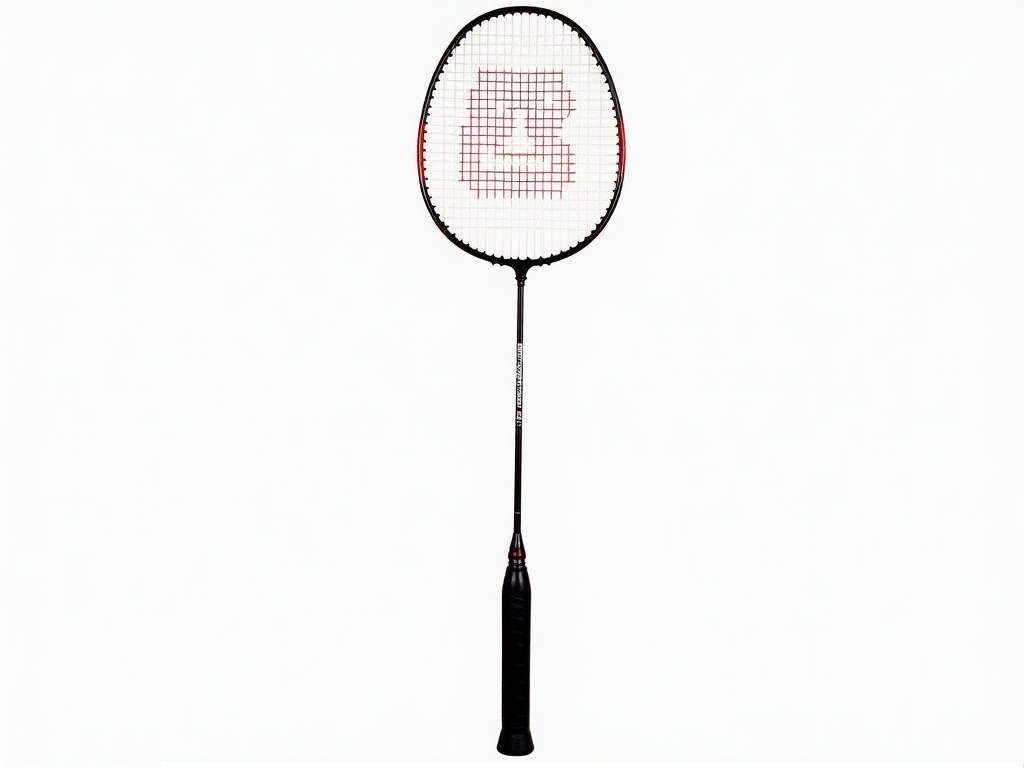
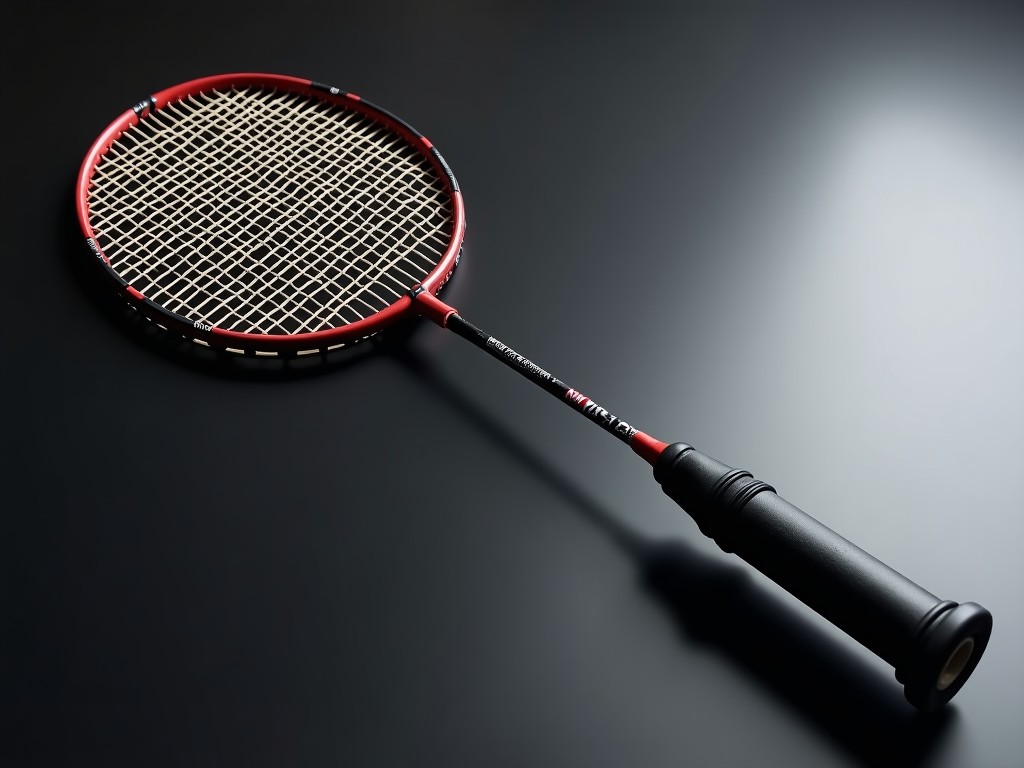
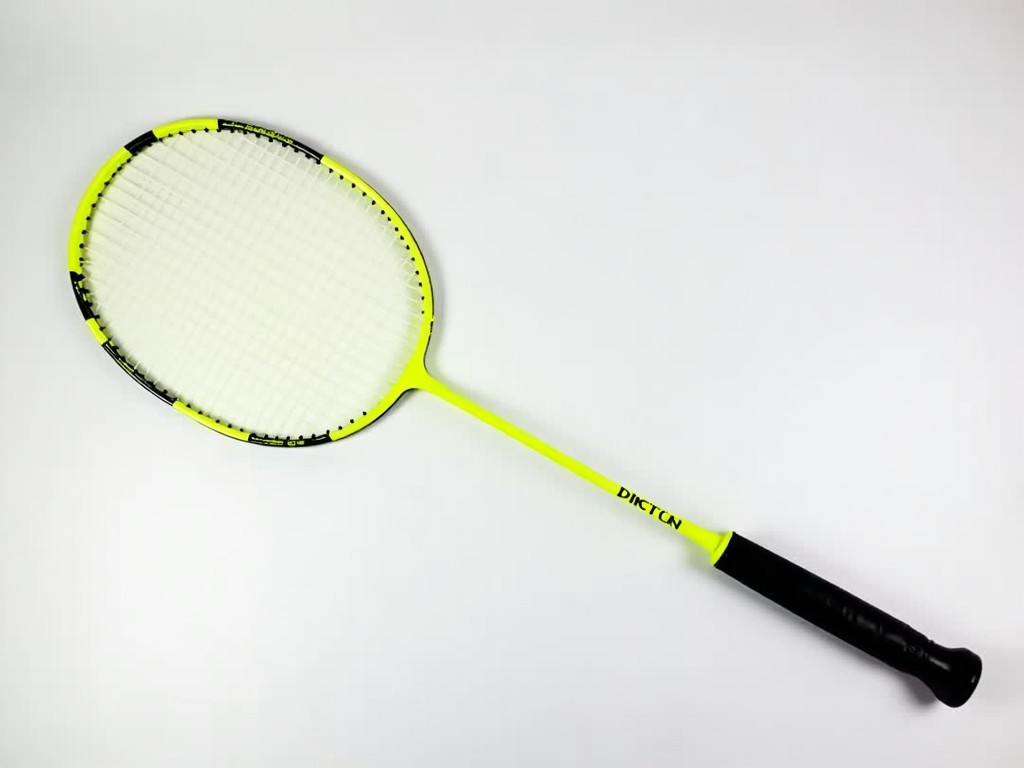
A jointless racket is manufactured as a single monocoque piece, eliminating the traditional throat joint between shaft and head. This construction removes a common source of weight variation and stiffness discontinuity, allowing tighter control over swing weight and vibration damping. The resulting frame typically falls within the 70‑80 g unstrung range, with a balance point adjustable between 280 mm and 310 mm from the handle end.
Design and Engineering Approach
Engineers begin with a finite‑element model that maps stress distribution during a smash cycle. By varying ply orientation and thickness in the shaft and head regions, the model targets a longitudinal stiffness of 180 N/mm ± 5 N/mm while keeping torsional stiffness below 12 N·mm/deg. The outcome is a frame that returns energy efficiently to the shuttle without excessive whip, a characteristic verified through modal analysis of prototype samples.
Material Options
- High‑modulus carbon fiber (tensile modulus ≥ 230 GPa, density ≈ 1.55 g/cm³) for the outer hoop, providing high stiffness with low mass.
- Intermediate‑modulus graphite (tensile modulus ≈ 150 GPa) used in the shaft core to tune flexural response.
- Thermoplastic polymer veil (melting point ≈ 260 °C) applied as a surface layer to improve impact resistance and facilitate demolding.
Manufacturing Process
Prepreg sheets are cut to precise shapes and laid up on a mandrel that mirrors the final racket geometry. The layup undergoes filament winding in the shaft area to achieve circumferential fiber alignment, followed by compression molding in a heated press at 180 °C under 200 bar for 90 seconds. After curing, the mold is cooled, the mandrel removed, and the blank undergoes CNC machining to exact handle grip dimensions and string hole placement.
Customization Parameters
| Parameter | Adjustable Range | Increment | Typical Tolerance |
|---|---|---|---|
| Unstrung Weight | 68 g – 82 g | 0.5 g | ± 1.0 g |
| Balance Point | 260 mm – 340 mm | 2 mm | ± 1.5 mm |
| Shaft Diameter | 8.0 mm – 9.5 mm | 0.1 mm | ± 0.05 mm |
| Head Size | 560 cm² – 620 cm² | 5 cm² | ± 2 cm² |
Quality Control and Testing
Each finished rack is weighed on a precision balance with readability of 0.01 g; any deviation beyond ± 1 g triggers re‑evaluation of layup density. Balance point is measured using a fulcrum‑and‑scale method calibrated to 0.1 mm resolution. Static stiffness is obtained by applying a 10 N load at the tip and measuring deflection, with acceptance criteria of 180 N/mm ± 5 N/mm. Ultrasonic C‑scan inspections detect internal delaminations larger than 0.5 mm², ensuring structural integrity before shipment.
Applications in Badminton Equipment
The jointless construction eliminates the stress concentration that typically occurs at the throat, reducing the likelihood of frame cracking under high‑impact shots. Light weight distribution enables faster racket head speed, which translates to shorter reaction times in defensive play. Consistent stiffness across the frame minimizes unwanted vibration, providing a cleaner feel that helps players maintain shot accuracy during prolonged rallies.
Frequently Asked Questions
Can dimensions be customized? Yes, weight, balance point, shaft diameter, and head size can be adjusted within the ranges shown in the specifications table. Custom lengths or grip shapes are available upon request.
What information is required before quotation? Provide target unstrung weight, preferred balance point, desired shaft stiffness (if known), and any cosmetic requirements such as color or logo placement.
What materials are available? The standard offering uses high‑modulus carbon fiber hoop, intermediate‑modulus graphite shaft core, and a thermoplastic veil. Alternative fiber blends or bio‑based resins can be discussed for specific projects.
How is quality inspected? Each rack undergoes weight, balance, stiffness, and ultrasonic inspection as outlined in the Quality Control section. Test certificates are supplied with every batch.
What packaging methods are available? Racks are packed in individual foam sleeves, placed in corrugated cartons with corner protectors, and sealed with moisture‑barrier film. Palletization and export‑grade crating are options for large orders.
What is the typical production lead time? Prototype lead time is 3‑4 weeks after design freeze. Production runs of 500 units or more typically require 6‑7 weeks, depending on material availability and customization complexity.
Contact for Technical Inquiry
To discuss your specific performance targets, material preferences, or to request a detailed quotation, please reach out to our engineering team.