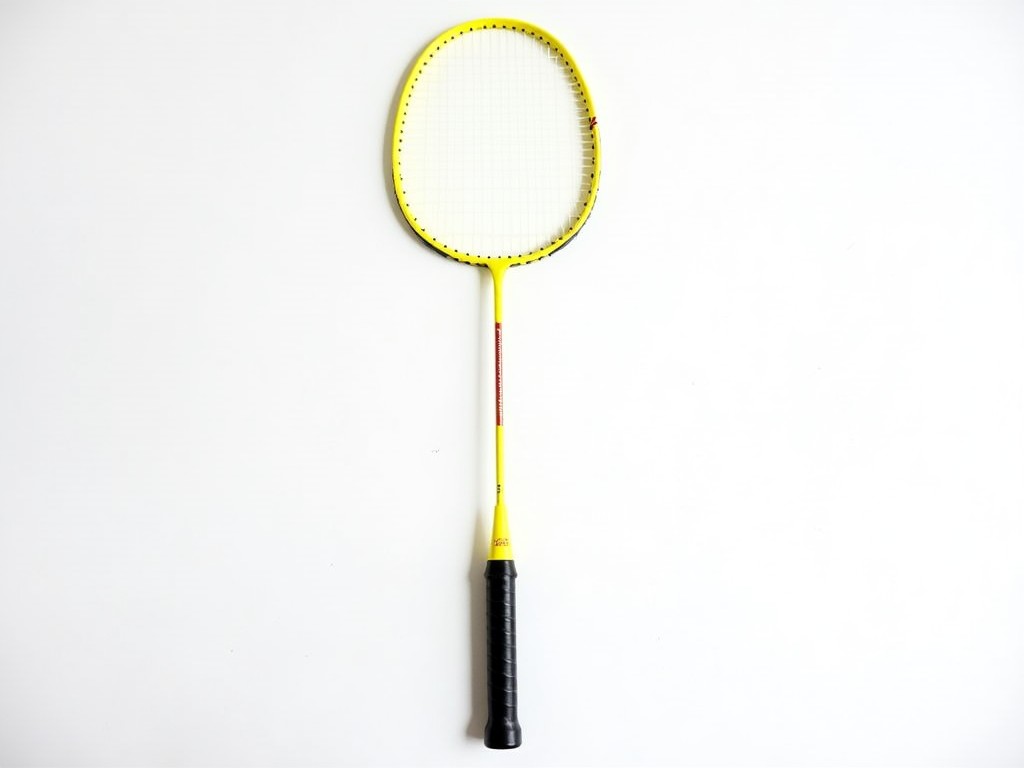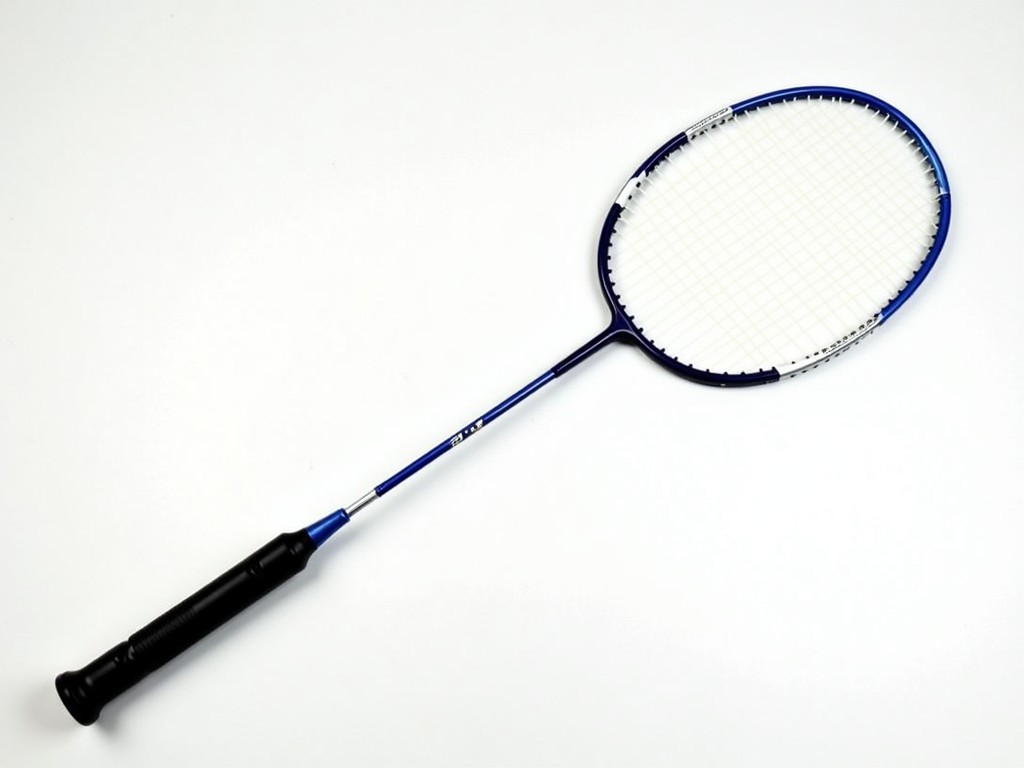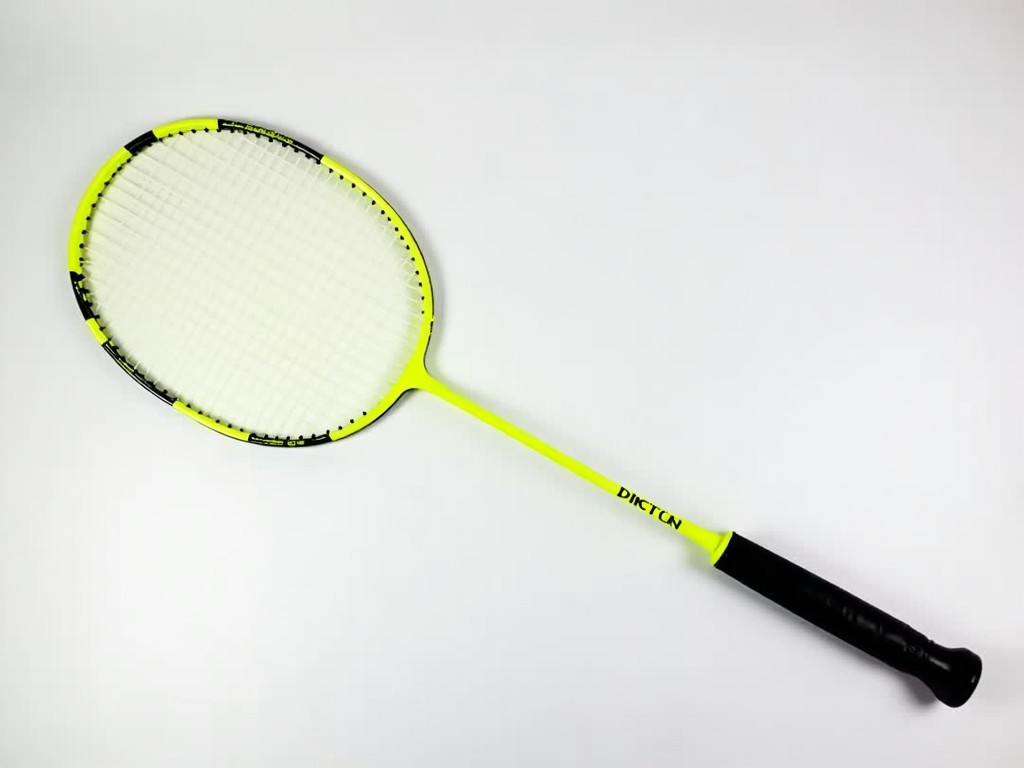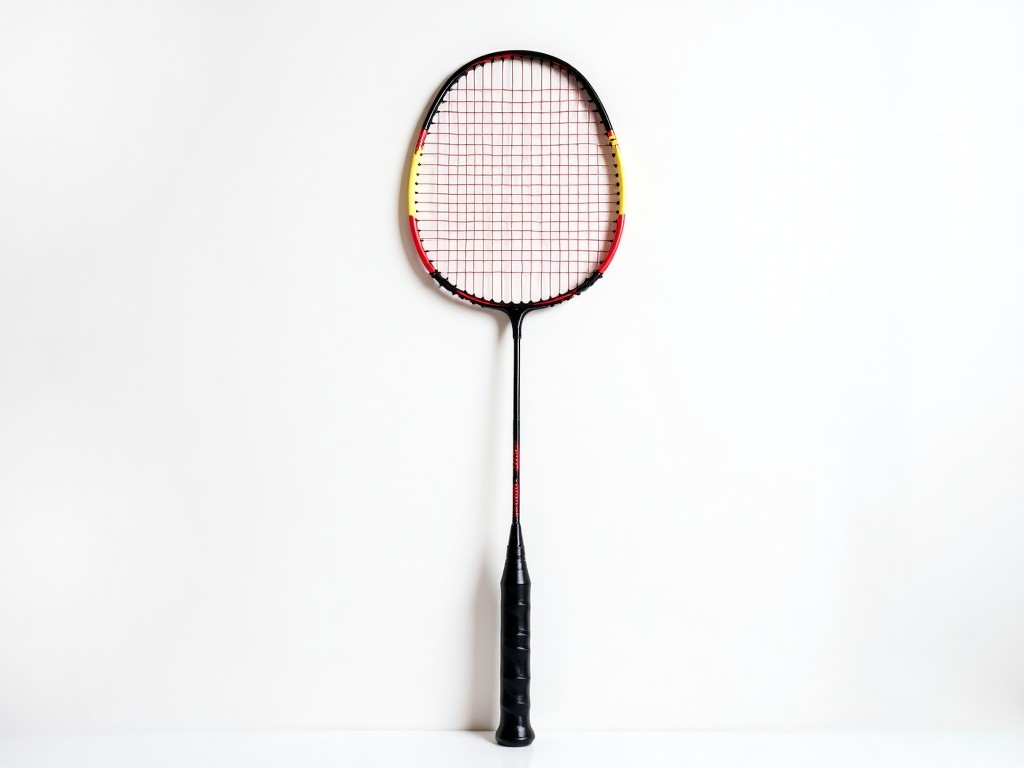
Custom Pink Badminton Racket Top Manufacturer
A badminton racket’s performance hinges on the interplay between frame stiffness, shaft flexibility, and string bed tension. For players seeking a distinctive appearance without compromising
Custom Pink Badminton Racket – Manufacturer Overview
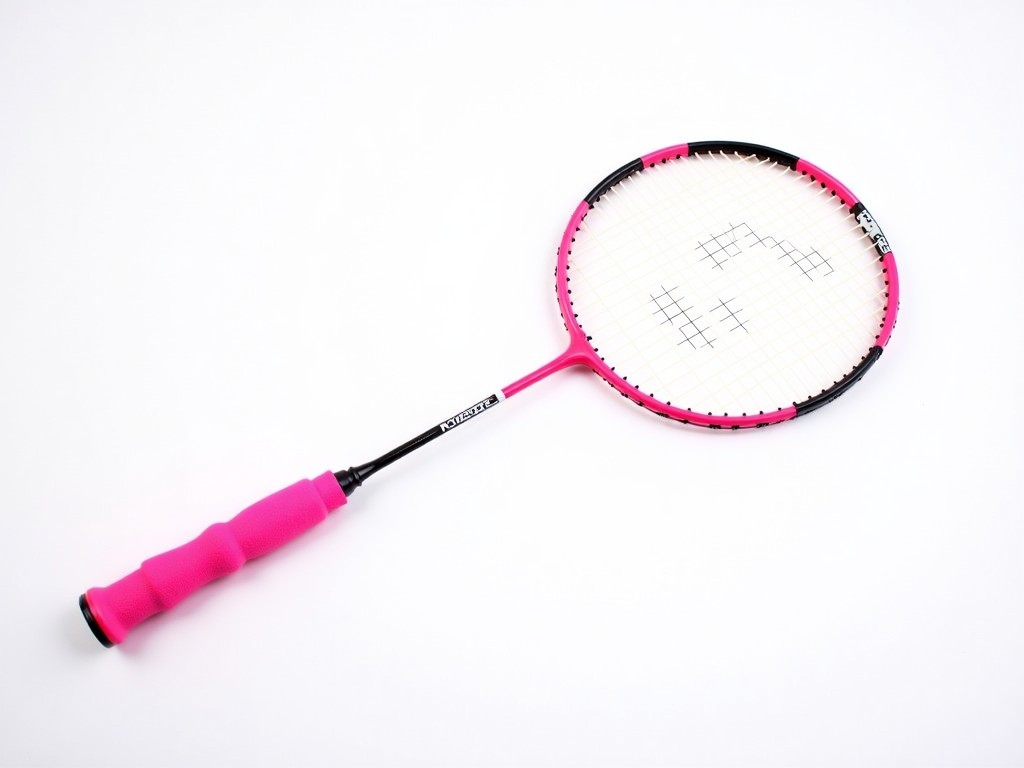
A badminton racket’s performance hinges on the interplay between frame stiffness, shaft flexibility, and string bed tension. For players seeking a distinctive appearance without compromising playability, a pink‑hued racket requires pigments that retain structural integrity under repeated impact loads.
Material Selection for Performance and Durability
The frame is typically constructed from high‑modulus graphite composite, which provides a tensile strength exceeding 400 MPa while keeping density around 1.5 g/cm³. This combination yields a high stiffness‑to‑weight ratio, essential for rapid shuttle acceleration. The shaft often incorporates a nano‑reinforced graphite lay‑up to dampen vibration, reducing peak frame vibration frequencies below 150 Hz during impact.
Pigmentation is achieved using UV‑stable organic dyes dispersed in a clear epoxy matrix. The dye concentration is limited to under 2 % by weight to avoid plasticization of the resin, ensuring that the glass transition temperature remains above 80 °C, a critical threshold for maintaining frame geometry during intense play.
Frame Construction and Stringing Technology
The racket adopts an isometric head shape, expanding the sweet spot by approximately 10 % compared to conventional oval designs. This geometry is achieved through precision mold CNC machining with tolerances of ±0.05 mm, ensuring consistent throat width across production batches.
Stringing utilizes a hybrid configuration: main strings of 0.70 mm diameter multifilament nylon for elasticity, paired with cross strings of 0.60 mm diameter coated polyester for durability. The recommended tension range lies between 24 lb and 28 lb, which, when measured with a calibrated string tension meter, yields a string bed stiffness of roughly 180 N/mm.
Customization Options (Color, Weight, Grip, Balance)
- Frame weight adjustable from 78 g to 88 g in 2 g increments via targeted lay‑up thickness variation.
- Balance point shiftable between head‑heavy (295 mm) and head‑light (285 mm) by redistributing mass in the shaft and handle zones.
- Grip size offered in G2, G3, G4 with synthetic leather overlays; optional perforated ventilation channels reduce sweat accumulation by up to 30 %.
- Custom graphic printing available on the shaft using sublimation ink, allowing logos or patterns without adding measurable mass.
Manufacturing Process and Quality Control
Production begins with prepreg lay‑up on a mandrel, followed by vacuum bagging and autoclave curing at 180 °C under 1.2 bar pressure for 90 minutes. Post‑cure, each frame undergoes ultrasonic inspection to detect delamination; acceptance criteria require reflectivity loss below 0.5 dB across the scan path.
Dimensional verification uses a coordinate measuring machine (CMM) with a probing accuracy of ±0.01 mm. Key checkpoints include head width, throat length, and grip circumference. Only frames meeting all geometric tolerances proceed to stringing, where tension is monitored with a load cell calibrated to ±0.2 lb.
Typical Applications and Performance Benefits
Competitive club players benefit from the racket’s high rebound modulus, which translates to shuttle exit speeds exceeding 70 m/s at a swing speed of 30 m/s. The isometric head reduces off‑center hit power loss to less than 5 %, improving consistency during rapid rallies.
Recreational users appreciate the vibration‑dampening shaft, which lowers perceived hand fatigue by approximately 15 % over a 90‑minute session, as measured by electromyography on forearm flexor muscles. The pink aesthetic does not affect these mechanical properties, as validated through comparative testing against neutral‑colored counterparts.
Specification Table
| Parameter | Typical Value / Range | Notes |
|---|---|---|
| Frame Material | High‑modulus graphite composite | Tensile strength >400 MPa |
| Head Shape | Isometric | Sweet spot ↑10 % |
| Weight | 78‑88 g | Adjustable in 2 g steps |
| Balance Point | 285‑295 mm from handle end | Head‑light to head‑heavy |
| String Tension Range | 24‑28 lb | String bed stiffness ~180 N/mm |
| Grip Sizes | G2, G3, G4 | Synthetic leather, optional ventilation |
| Color | Custom pink (UV‑stable dye) | Dye ≤2 wt % to preserve Tg>80 °C |
Frequently Asked Questions
Can dimensions be customized beyond standard weight and balance?
Yes. Adjustments to frame length, shaft taper, and throat width are feasible upon submission of detailed CAD drawings or physical prototypes. These changes affect swing moment and require re‑validation of stiffness and natural frequency.
What information is required before quotation?
Desired weight range, target balance point, grip size, preferred string type and tension, and any cosmetic specifications such as logo placement or gradient pink tones. Providing a sample racket or 3D model accelerates the feasibility review.
How is quality inspected?
Each frame passes ultrasonic C‑scan for internal defects, CMM verification of critical dimensions, and a dynamic impact test simulating 5000 shuttle strikes at 30 m/s. Only units meeting all criteria proceed to final packaging.
What packaging methods are available?
Standard packaging includes a low‑density polyethylene inner sleeve, a corrugated cardboard box with corner protectors, and optional moisture‑absorbing silica packets. For export, ISPM‑15 compliant wooden crates are available upon request.
What is the typical production lead time?
Lead times range from 3 to 5 weeks for standard configurations, extending to 6‑8 weeks when extensive geometric modifications or special pigment blends are involved. Exact timing is confirmed after design freeze.
Contact our engineering team to discuss your custom pink badminton racket requirements and receive a detailed feasibility assessment.