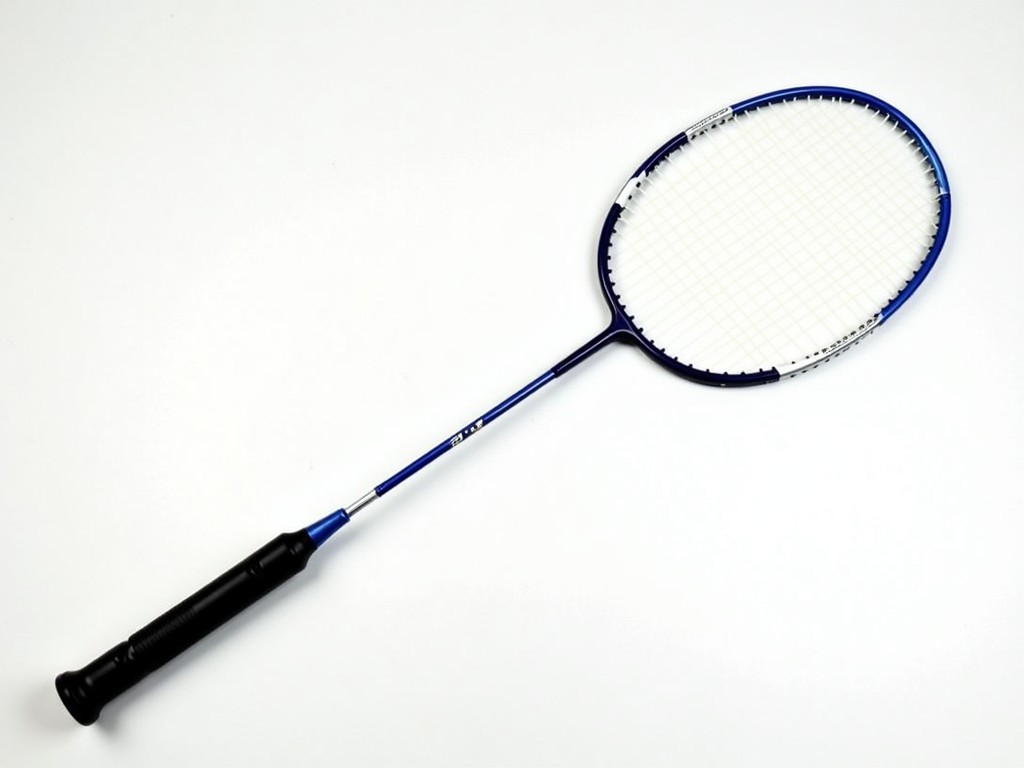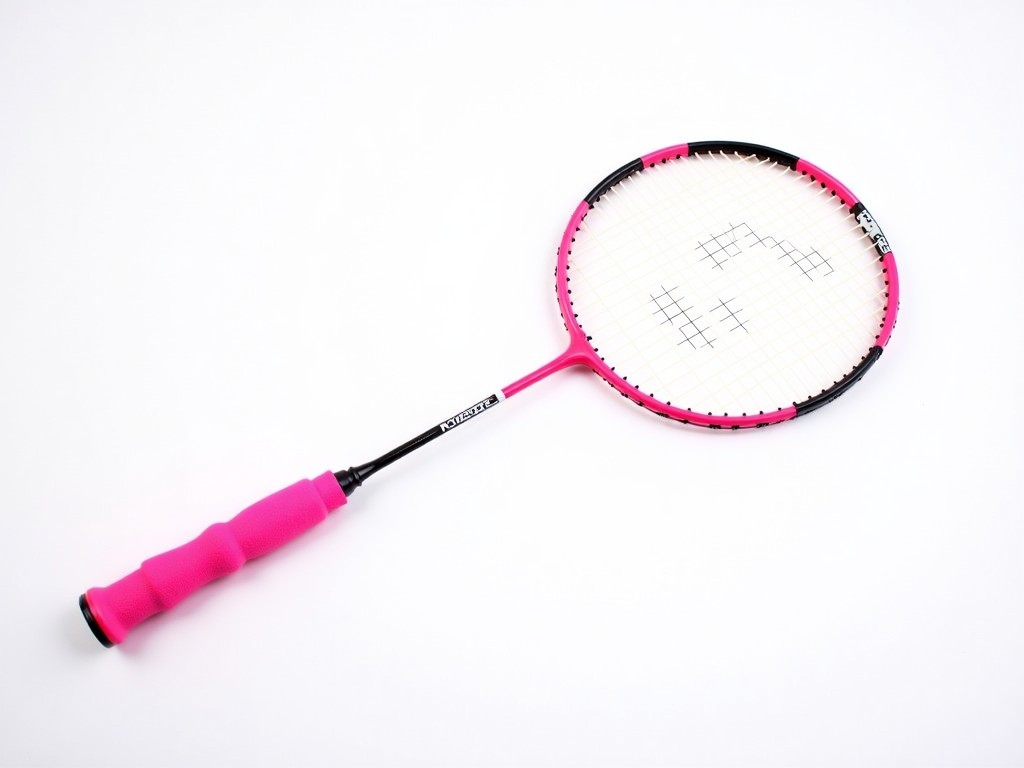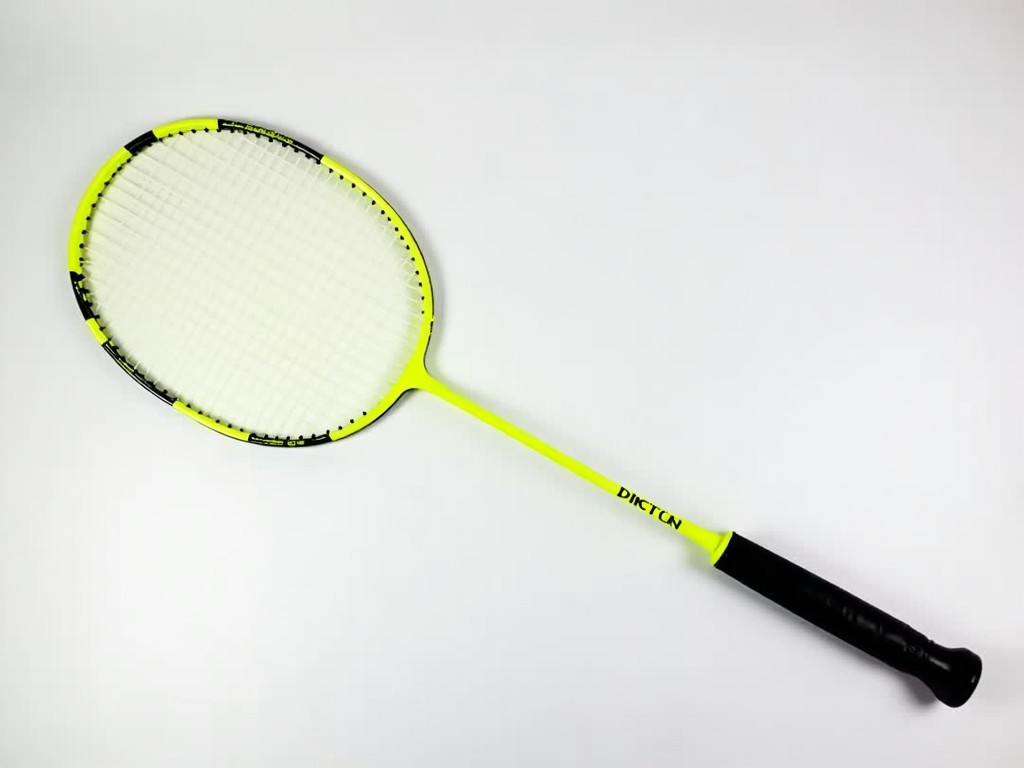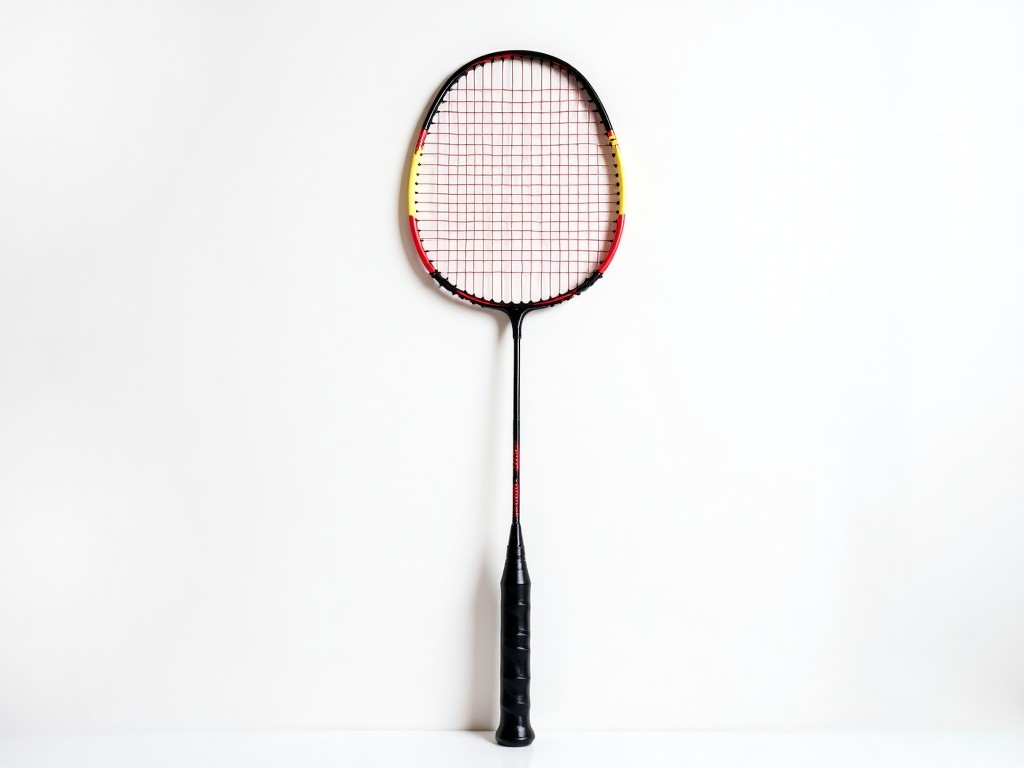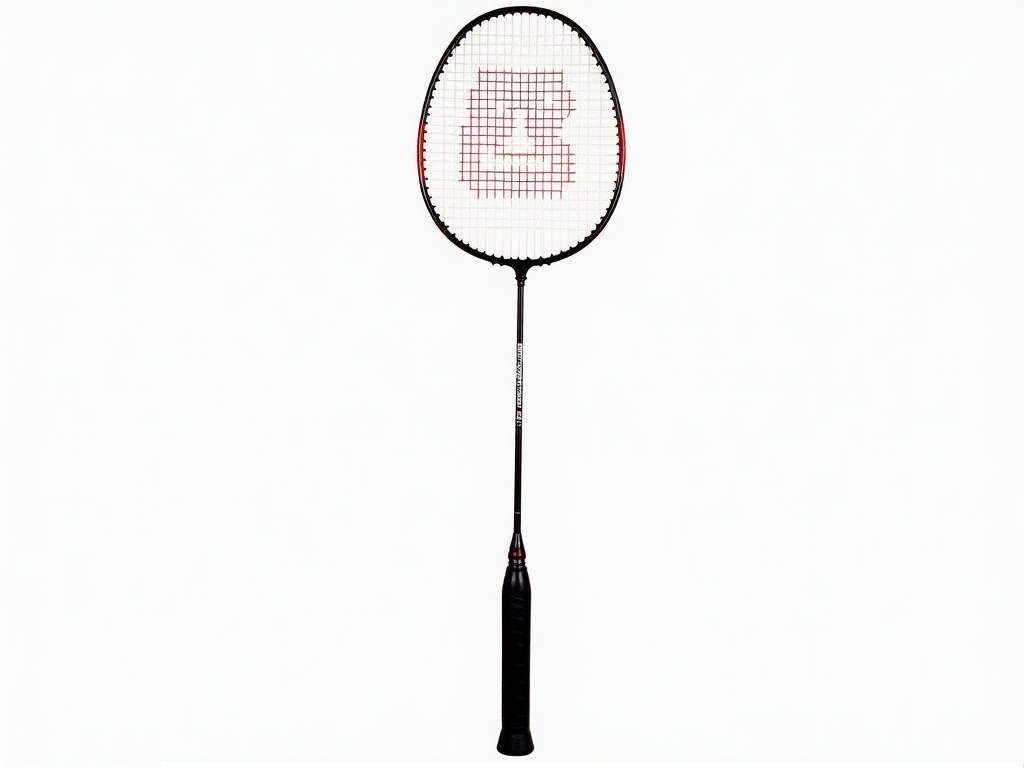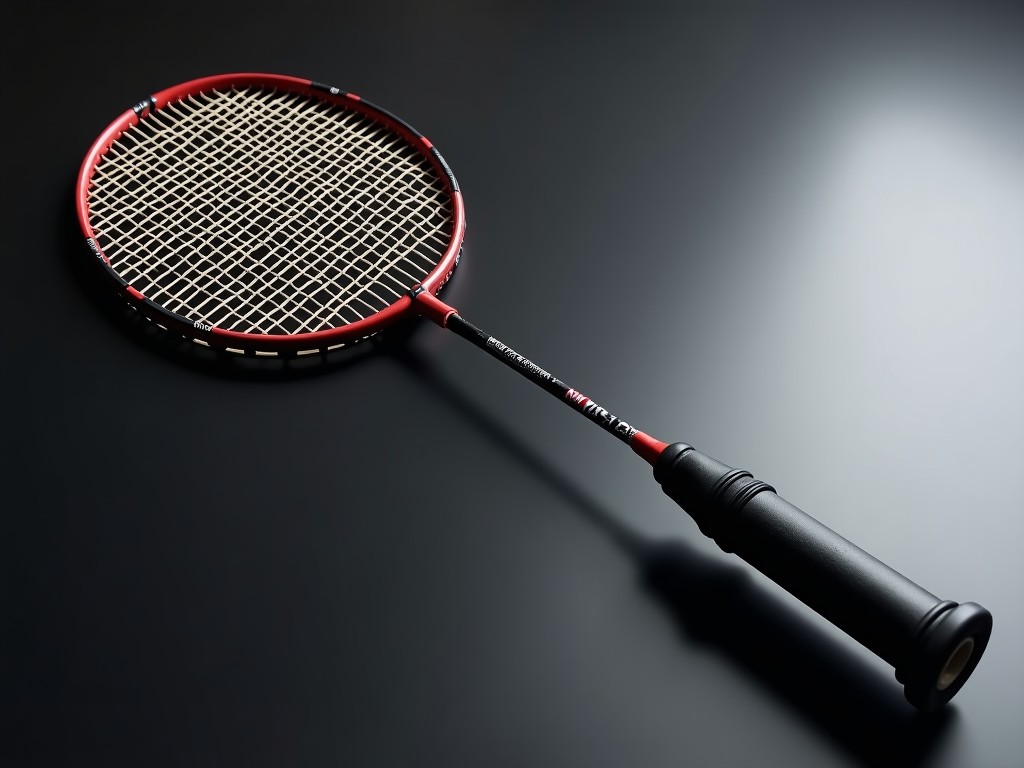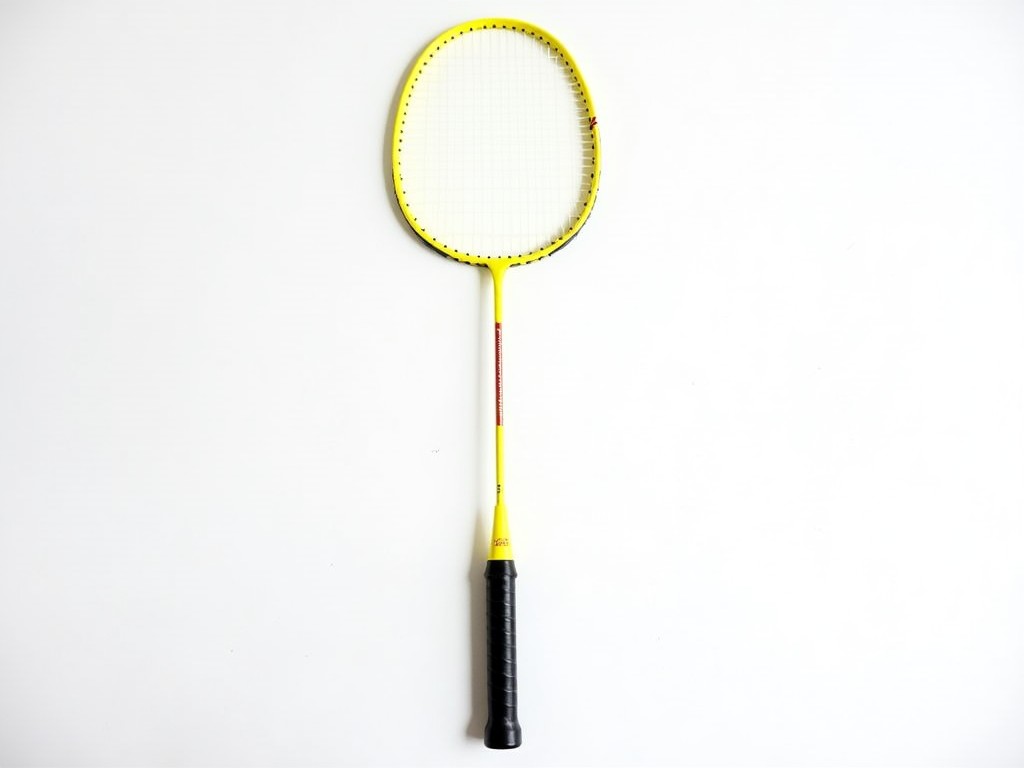
Custom T Joint Strung Badminton Racket Supplier
The T‑joint forms the mechanical interface between the shaft and the racket head, governing torque transfer, vibration damping, and overall frame stability. In high‑performance badminton rackets,
Custom T-Joint Strung Badminton Racket Supplier
The T‑joint forms the mechanical interface between the shaft and the racket head, governing torque transfer, vibration damping, and overall frame stability. In high‑performance badminton rackets, even micrometre‑scale variations in joint geometry can alter swing weight distribution and affect shuttle‑cock response.
Suppliers that offer custom T‑joint design allow OEMs to tune stiffness, mass distribution, and impact tolerance to match specific player profiles or playing styles. Customization extends to stringing patterns, grommet placement, and finish options, enabling a single base mold to serve multiple market segments.
Design and Engineering Considerations
Finite‑element analysis is used to evaluate stress concentrations at the T‑joint under typical impact loads (approximately 150 N during a smash). Geometry modifications such as fillet radius, cross‑sectional shape, and reinforcement ribs are iterated to reduce peak stress by up to 20 % without adding mass.
Vibration modal testing identifies natural frequencies in the 150‑250 Hz range; damping treatments (e.g., viscoelastic inserts) are selected to shift these frequencies outside the dominant excitation band, improving feel and reducing fatigue.
Material Options
- High‑modulus graphite (tensile strength ≈ 5 GPa) for lightweight, stiff frames.
- Graphite‑carbon nanotube hybrids offering ~15 % higher damping capacity.
- Aluminum alloy inserts (6061‑T6) for cost‑effective reinforcement in recreational lines.
- Titanium‑alloy reinforcement rods (Ti‑6Al‑4V) for impact‑resistant professional models.
Material selection influences not only mechanical properties but also manufacturing temperature tolerances; for example, graphite lay‑up requires curing at 180 °C ± 5 °C, whereas aluminum inserts demand post‑machining stress relief at 300 °C.
Typical Specifications
| Parameter | Typical Value | Notes |
|---|---|---|
| T‑joint length | 22 mm – 28 mm | Customizable per frame geometry |
| Wall thickness | 0.8 mm – 1.2 mm | Adjusted for target stiffness |
| Mass contribution | 3.5 g – 5.0 g | Includes any reinforcement inserts |
| Surface finish | Matte UV‑cured polyurethane | Optional gloss or textured |
Customization Capabilities
Beyond geometry, suppliers can adjust stringing tension ranges (typically 20 lb–30 lb) and recommend string patterns (e.g., 22 × 22, 20 × 20) based on desired power‑control balance. Grommet hole diameter and spacing are modified to accommodate specific string gauges without increasing frame stress.
Finish customization includes matte, satin, or gloss UV coatings, as well as laser‑etched logos or player‑specific graphics. Color matching to Pantone standards is available upon request.
Manufacturing and Quality Control
Production follows a controlled lay‑up process with automated fiber placement to ensure consistent resin distribution. Post‑cure, each joint undergoes ultrasonic C‑scan inspection to detect delaminations or voids larger than 0.5 mm.
Dimensional verification uses coordinate‑measuring machines (CMM) with a repeatability of ±0.02 mm. Torque‑testing rigs apply a 10 Nm torsional load to confirm joint integrity before stringing.
Statistical process control charts monitor key parameters (resin viscosity, cure temperature, fiber tension) and trigger corrective actions if CpK falls below 1.33.
Applications
Custom T‑joint strung rackets serve competitive athletes seeking tailored swing weight and vibration characteristics, as well as recreational players who benefit from enlarged sweet spots and reduced arm fatigue. The ability to vary joint stiffness enables manufacturers to produce both power‑oriented and control‑oriented models from a single tooling set, lowering inventory costs.
OEMs supplying school sports programs often request reinforced T‑joints with higher impact tolerance to withstand frequent mishandling, while premium brands prioritize lightweight constructions with advanced damping inserts.
Frequently Asked Questions
- Can dimensions be customized? Yes, T‑joint length, wall thickness, and reinforcement features are adjusted according to CAD files provided by the customer.
- What information is required before quotation? Detailed 3D model or drawing of the racket frame, target mass balance, preferred materials, and estimated annual volume.
- What materials are available? See the Material Options section; additional alloys or composites are available upon request.
- How is quality inspected? Ultrasonic C‑scan, CMM dimensional checks, and torque‑testing are standard; full inspection reports are supplied with each lot.
- What packaging methods are available? Individual rackets are placed in foam‑lined cartons; bulk shipments use double‑wall corrugated boxes with corner protectors and humidity‑absorbing packets.
- How are export shipments protected? Pallets are stretch‑wrapped and strapped; optional ISPM‑15 compliant wooden pallets are available for international transport.
- What is the typical production lead time? Prototype tooling: 4–5 weeks; production run: 2–3 weeks after sample approval, depending on order complexity.
- How are samples arranged? Up to three functional samples are shipped via express courier after receipt of approved design files and material confirmation.